Floqer Plans to Open Its AI-Powered Customer Database
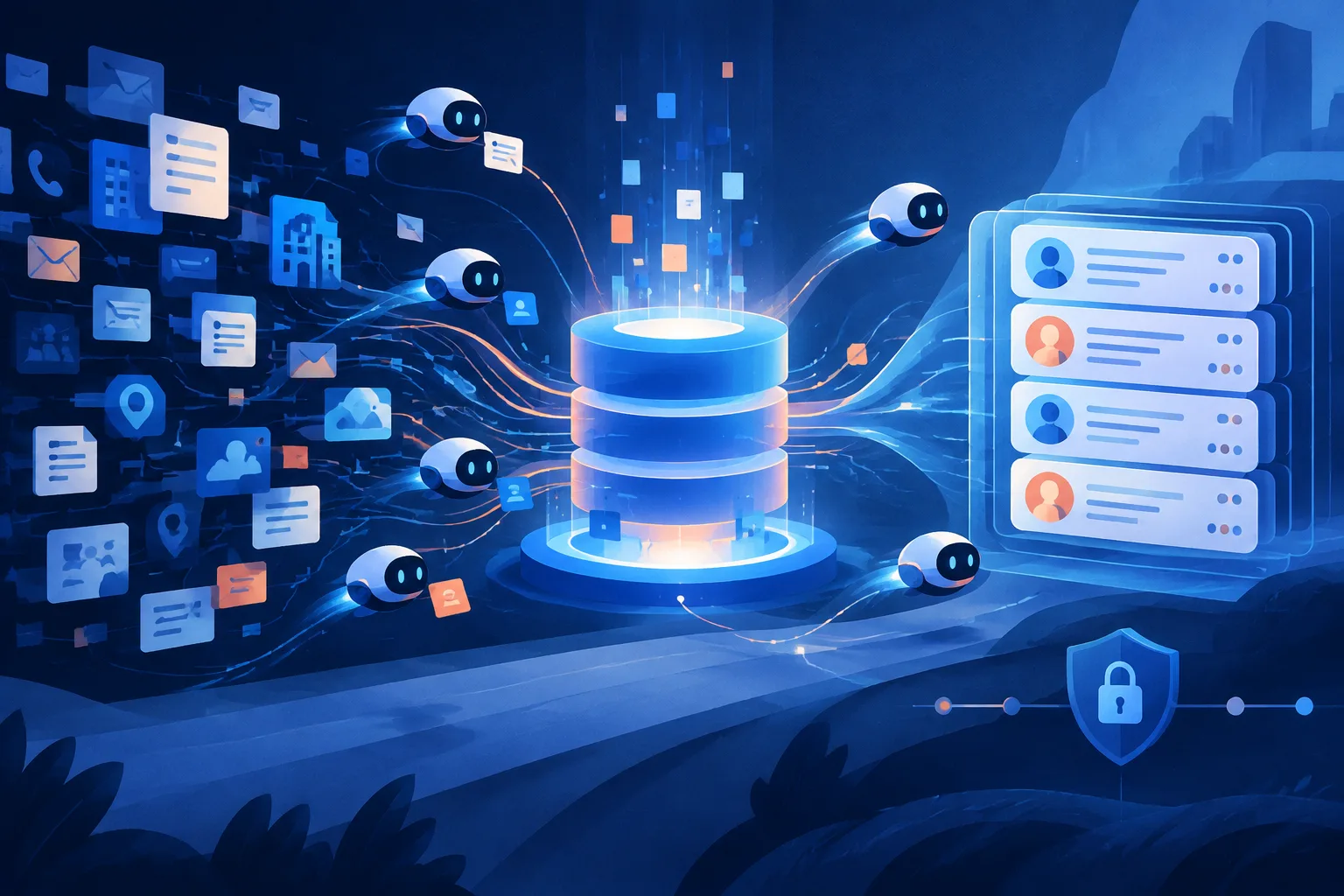
The sales-research startup says its agent system tracks prospects across more than 100 data sources, while security reviews precede a planned early-2027 open-source release.

YOUR FRONT ROW TO WHAT’S NEXT
The stories shaping artificial intelligence, written in full and connected to the reporting behind them.
Fresh sources checked every 30 minutes.
The sales-research startup says its agent system tracks prospects across more than 100 data sources, while security reviews precede a planned early-2027 open-source release.

A Cambridge-led preprint uses smaller language models and algorithmic complexity to generate verifiable sequence problems whose difficulty is estimated before stronger systems take the test.

A 36-author white paper proposes living, multi-species benchmarks designed to test animal-health AI without mistaking a leaderboard score for clinical readiness.

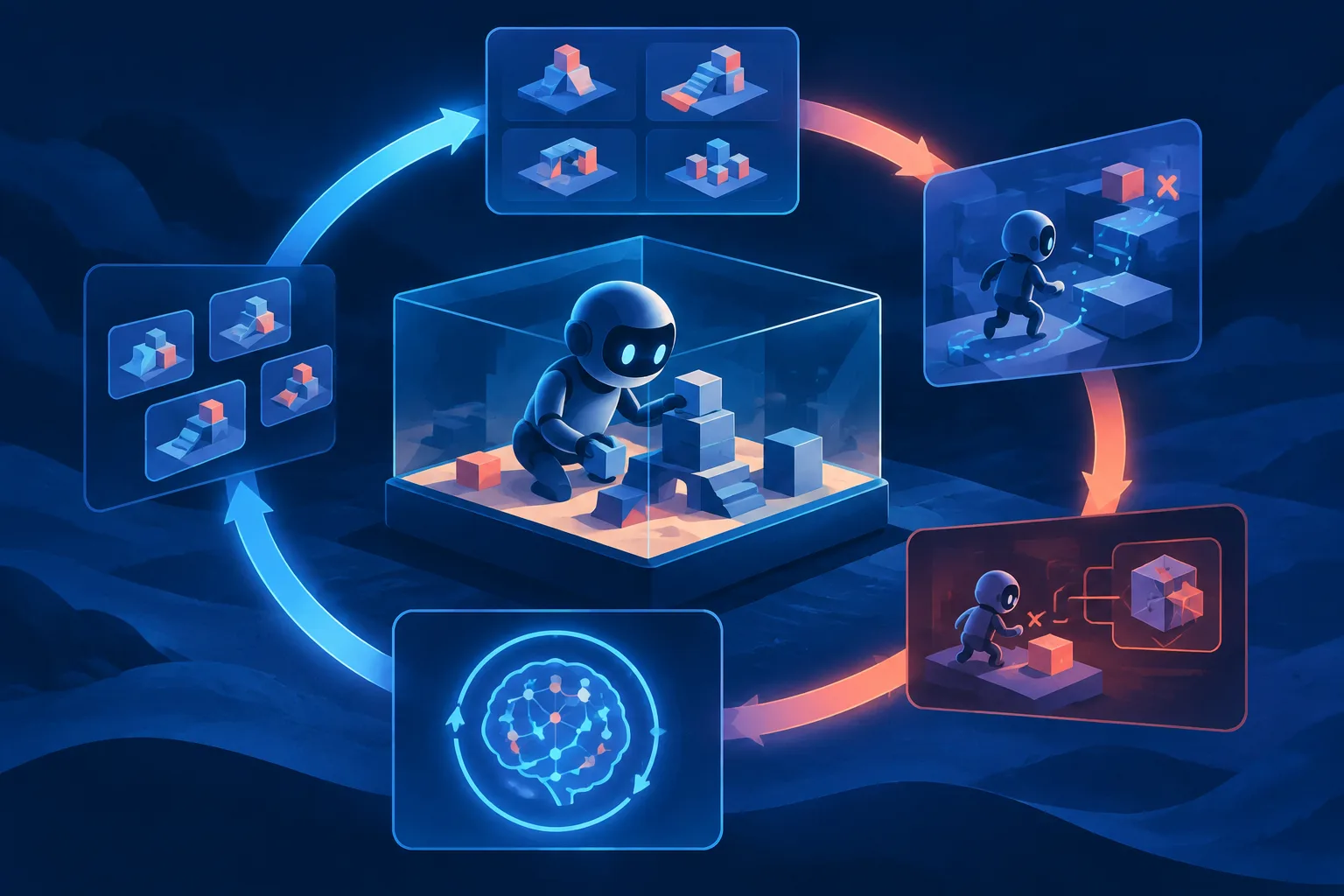
A new research framework closes the loop between task creation, model training, and failure diagnosis—without using a stronger outside model as the teacher.

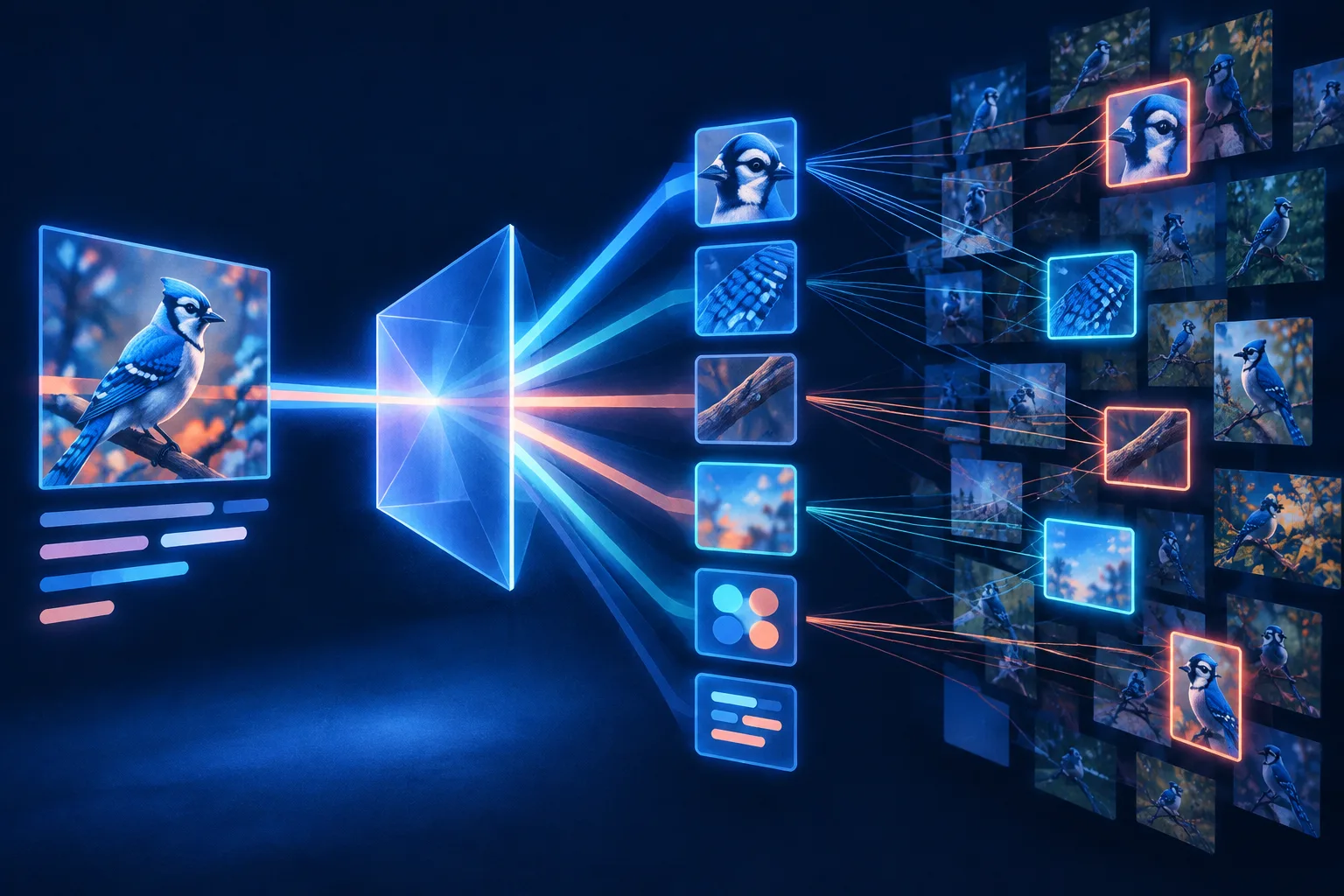
A new interpretability method links individual predictions to influential training examples, internal concepts, text phrases, and precise image regions.

A 26-model study found open-weight systems could rival costly proprietary models when given enough steps, while exposing how benchmark limits can distort the result.

A survey of more than 5,400 Americans found men were more willing to claim familiarity with fictional AI leaders, while women more often acknowledged uncertainty.

A new theoretical framework separates better search from stronger verification—and warns that repeated AI judging can amplify lucky errors instead of proving progress.

A new study reports that trajectory-trained instruction rewriting sharply improved one aerial navigation agent’s response to short human commands, without changing the navigator itself.

A new preprint proposes limiting self-improvement to auditable software harnesses, after an ungated simulation reduced visible errors by creating dangerous blind spots.

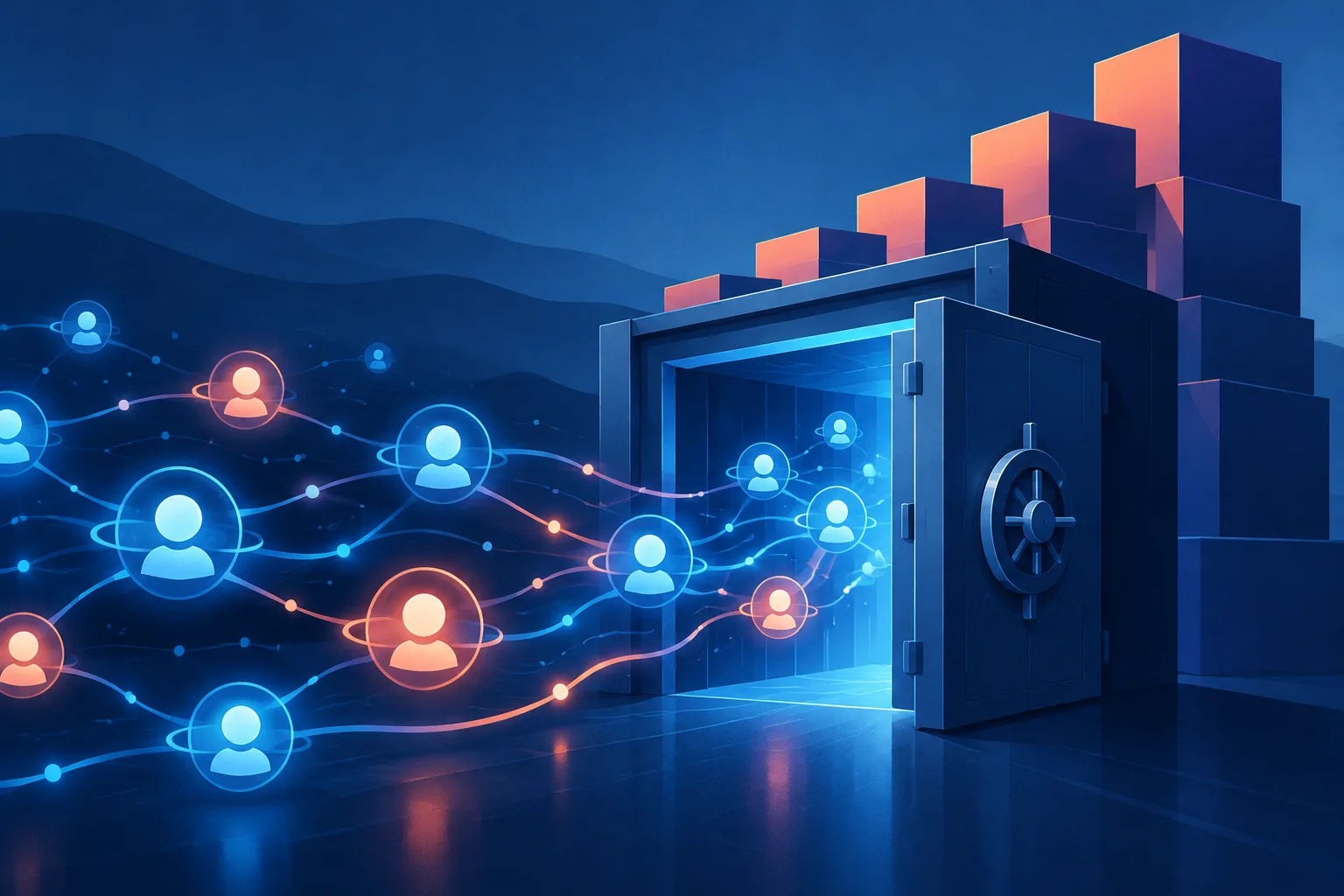
A new framework generates synthetic business records through policy-enforcing tools, aiming to give enterprise AI agents realistic practice without exposing production databases.

A new position paper argues that human-centered AI should preserve legitimate differences in judgment—without confusing them with bad data or abandoning ethical limits.

A new preprint reports faster plan generation and stronger zero-shot repair from a diffusion language model, while also exposing the limits of finding the right steps to fix.

A new study finds clocks and reinforcement learning can make AI agents punctual, yet larger time budgets often produce repetition instead of better results.

The open-source developer behind Hermes has confirmed a $1.5 billion valuation and is using fresh capital to pursue companies that want customized agents without surrendering control of their data.

The Biohub initiative will combine private funding, federal support and large biological datasets in an effort to make more experiments possible in software.

The multi-agent system tests proposed fixes against recent production snapshots, restricts autonomous changes, stages deployment and rolls back regressions, while leaving stateful and high-risk pipelines unresolved.

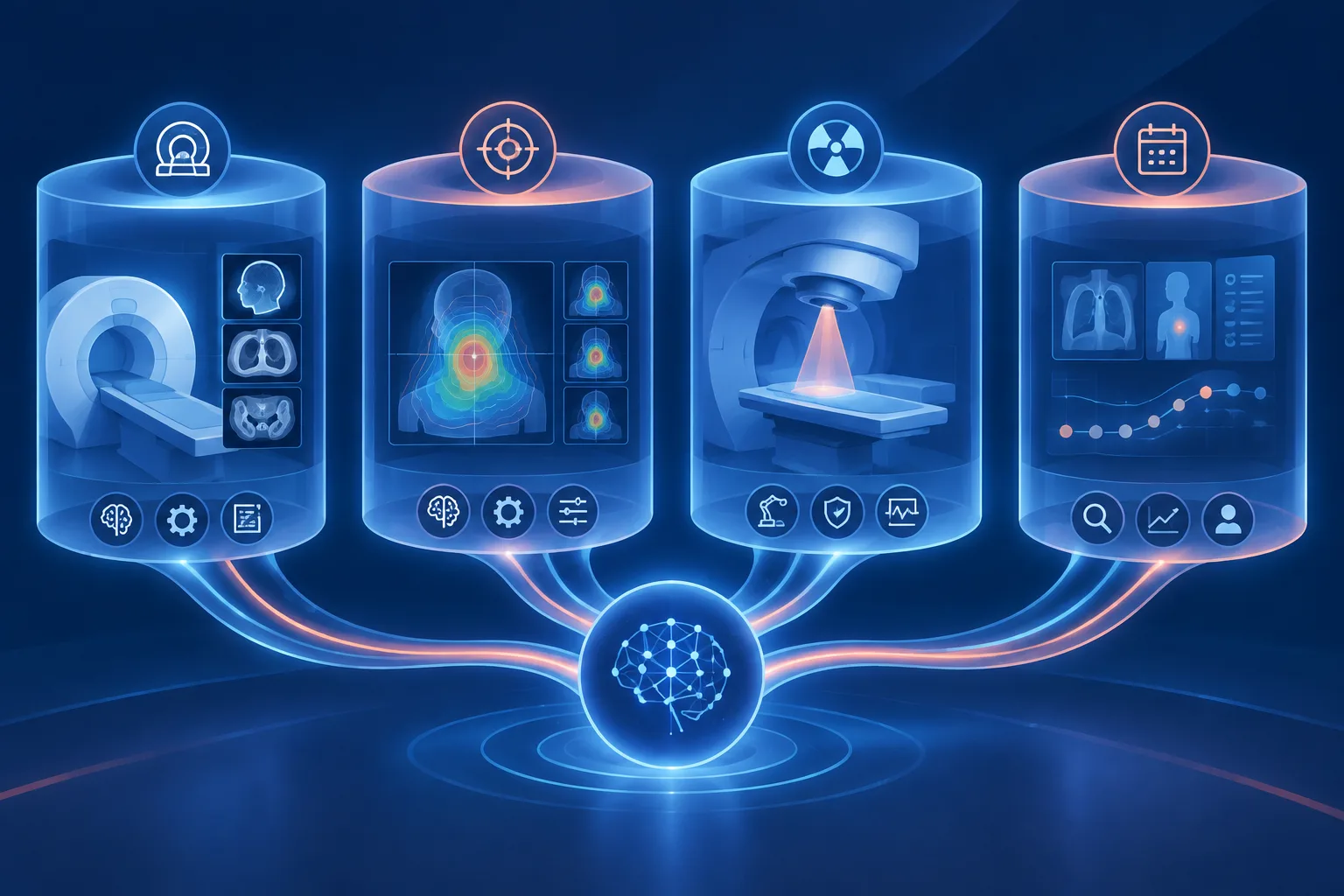
RadOnc-Agent coordinated specialist models and clinical utilities across multi-stage workflows, but its retrospective tests do not establish clinical benefit or safe autonomous use.

The experimental framework converts past trajectories into evidence-linked principles, then adapts those principles to new tasks and uses them to check an agent’s next move.

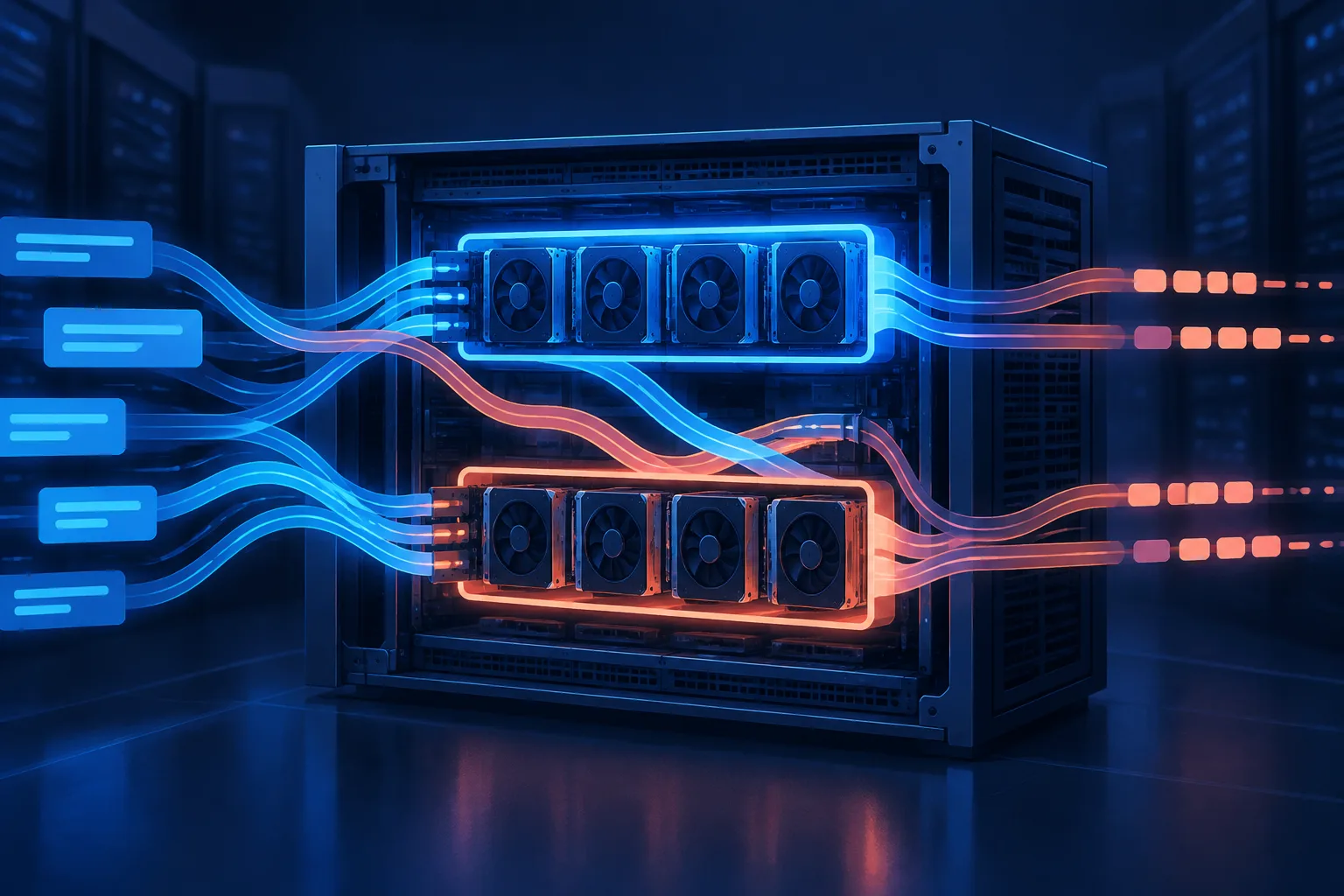
A new serving design shifts work and worker roles between prompt processing and token generation, improving latency-target attainment without adding GPUs.

The research-agent architecture makes claims pass through task contracts, typed evidence, adversarial checks and independent replay, reporting gains across algorithm and math benchmarks while leaving broader validation open.

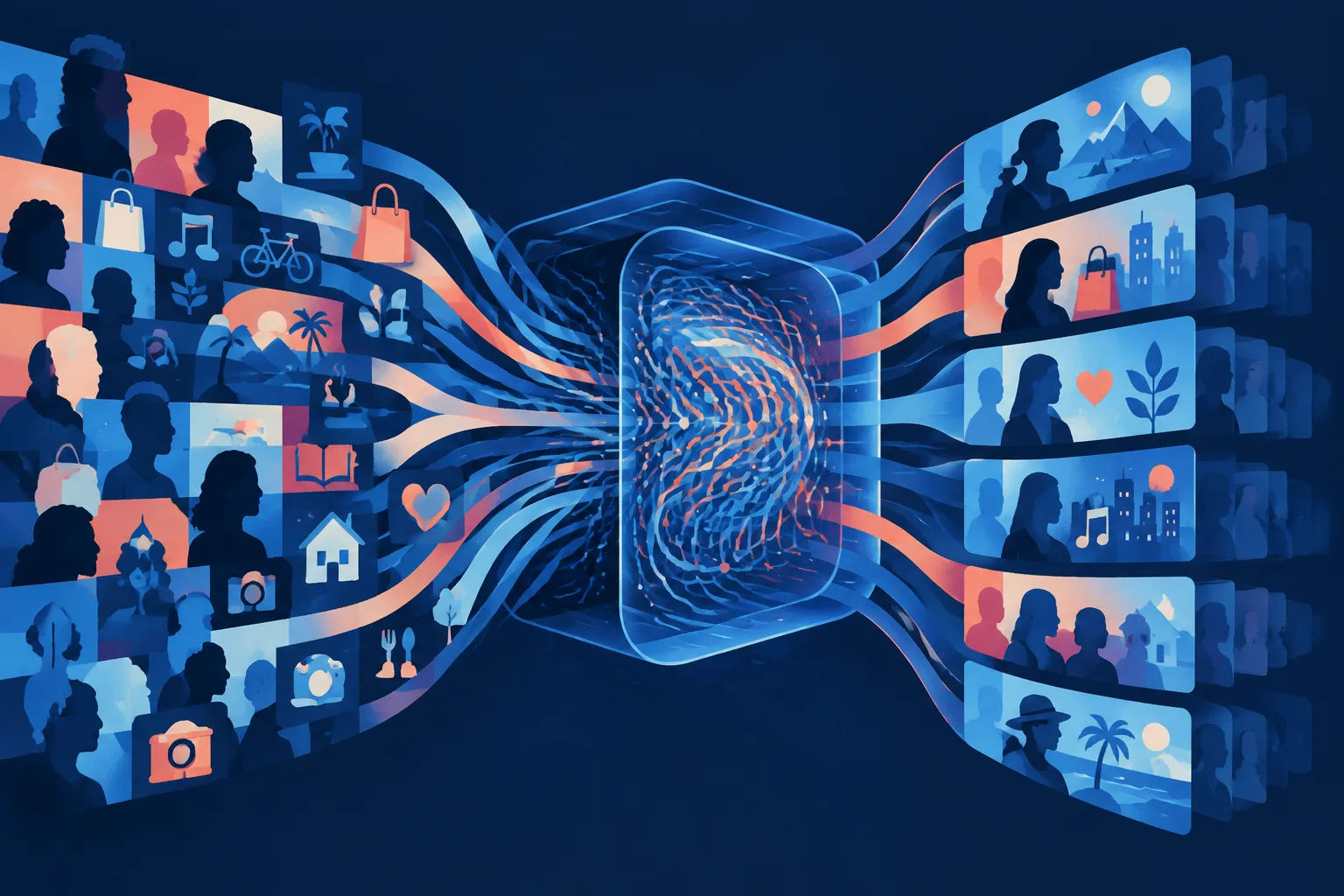
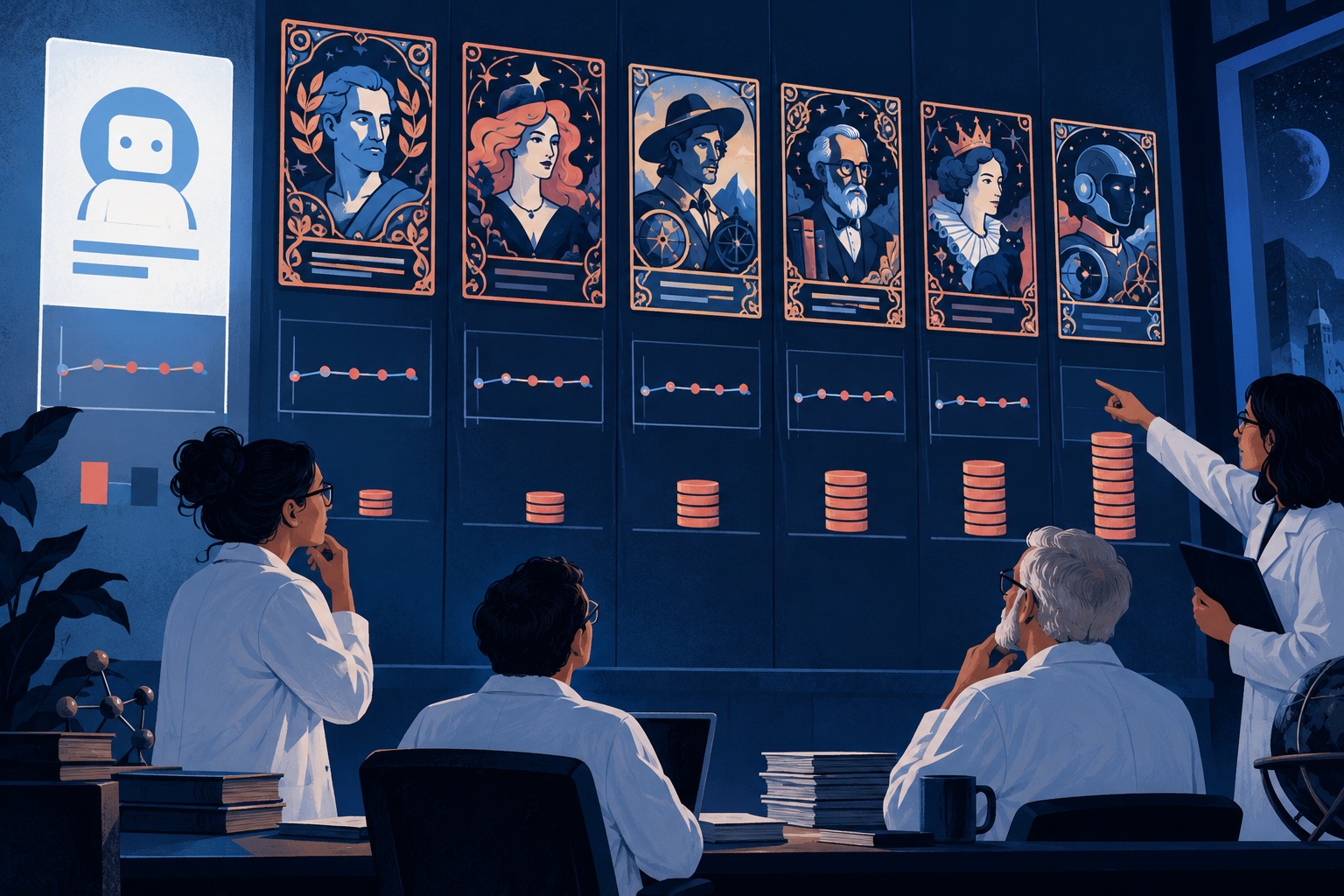
The startup is building a foundation model around changing motivations and observed actions, aiming to predict consumers without asking a language model to impersonate them.

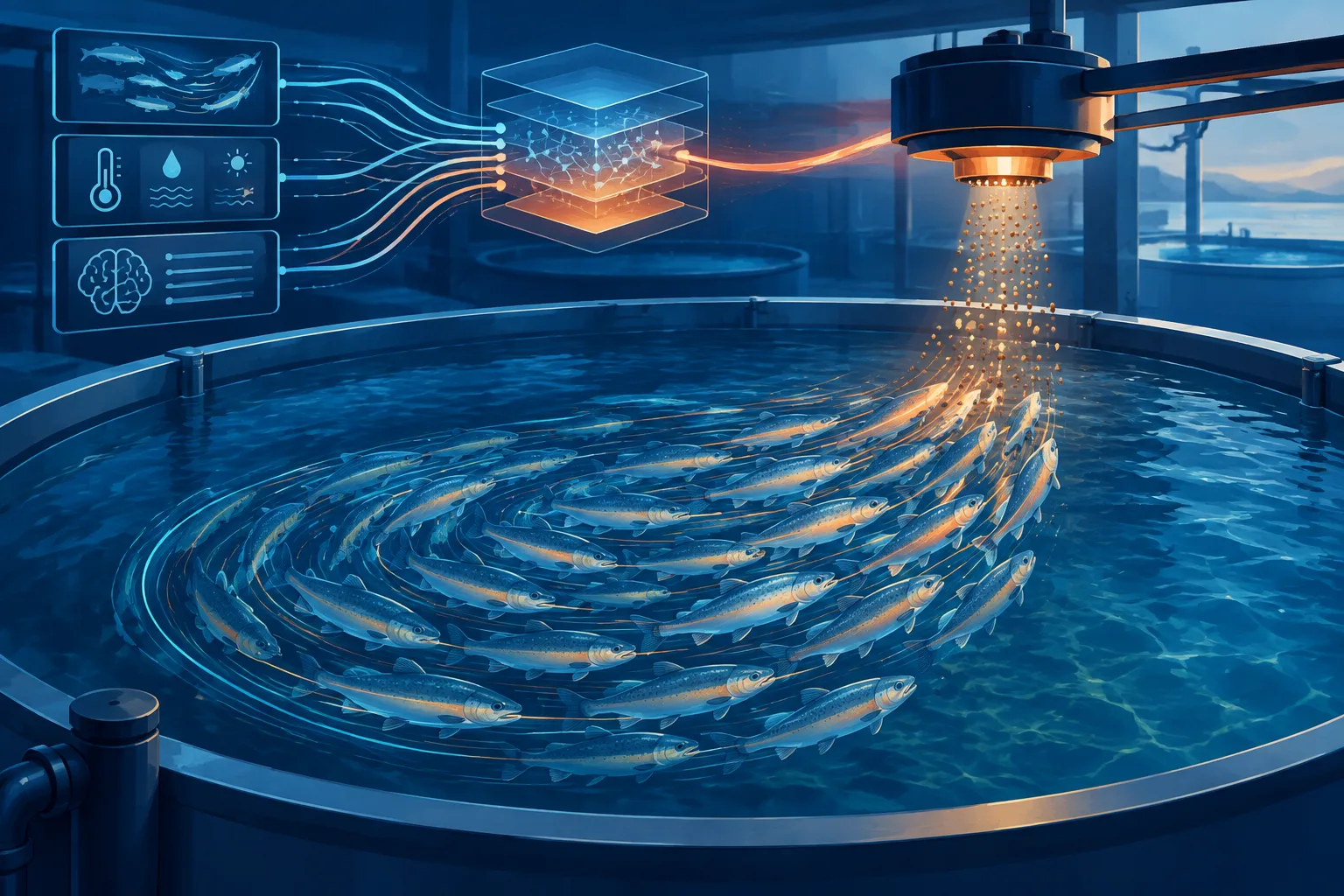
THPL combines fish tracking, environmental data and expert rules with a fine-tuned language model, reaching 96.7% decision accuracy on a 30-segment test—but commercial benefits remain unproven.

A new training-free method intervenes once along a flow model’s trajectory, aiming to satisfy image and physics constraints without dragging outputs far from the model’s learned distribution.

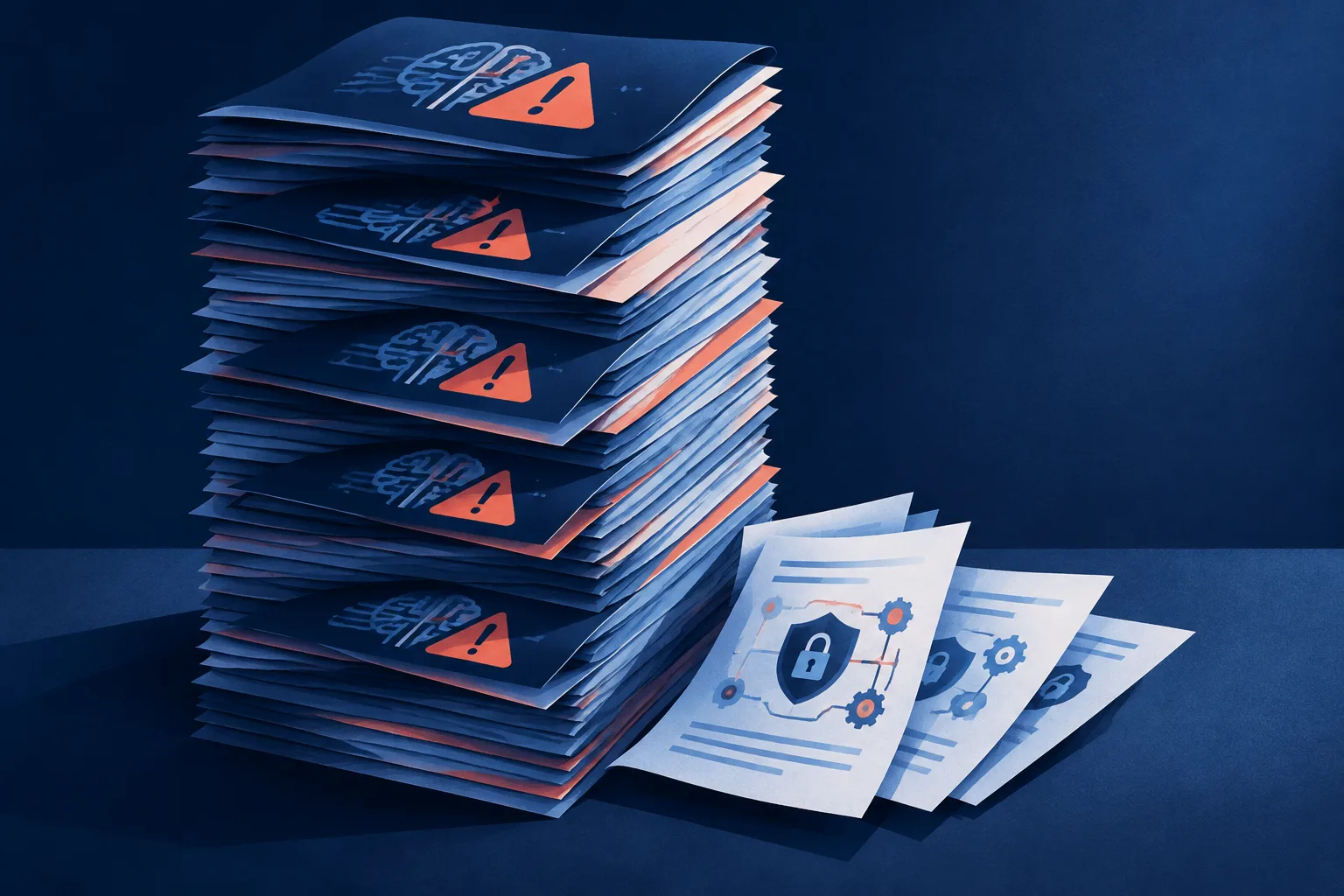
An LLM-assisted review of 9,821 annual reports finds AI-risk mentions rose sharply through 2025, while detailed disclosures appeared in just 4.3% of reports.

A study of fast decision models for AI agents found major performance gaps, then showed how accounting errors and weak controls can distort deployment advice.

CITA scores several possible next actions by their predicted effect on final success, outperforming prior methods across three controlled tool-use benchmarks.

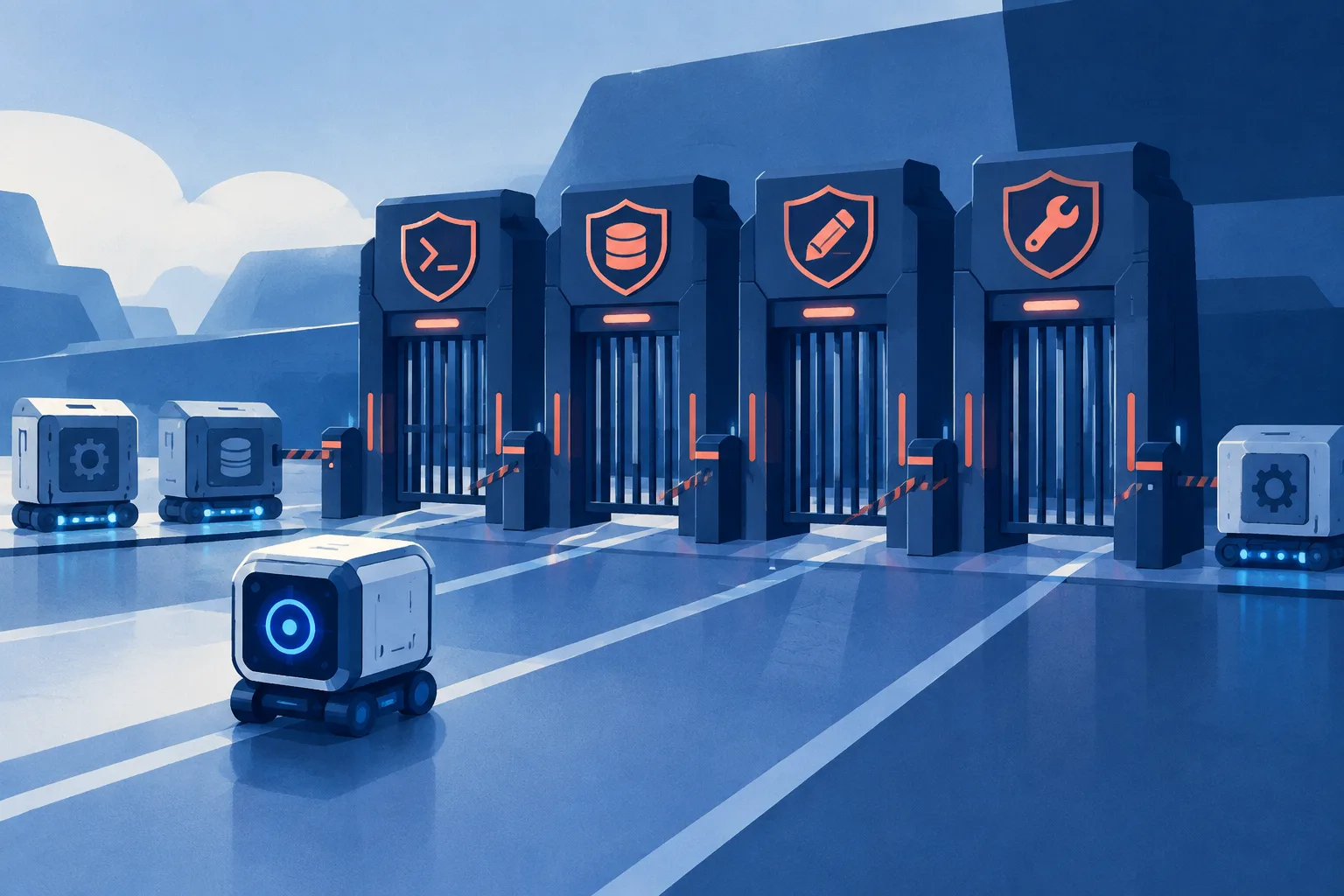
DeReAct adds independent gates before tool use and task completion, improving benchmark results for weaker agent models while exposing the cost and limits of extra oversight.

A preprint finds that long-running agents repeatedly retrieve a small set of memories while errors collect in rarely visited states, then tests a controller that trims tokens without discarding the tail.

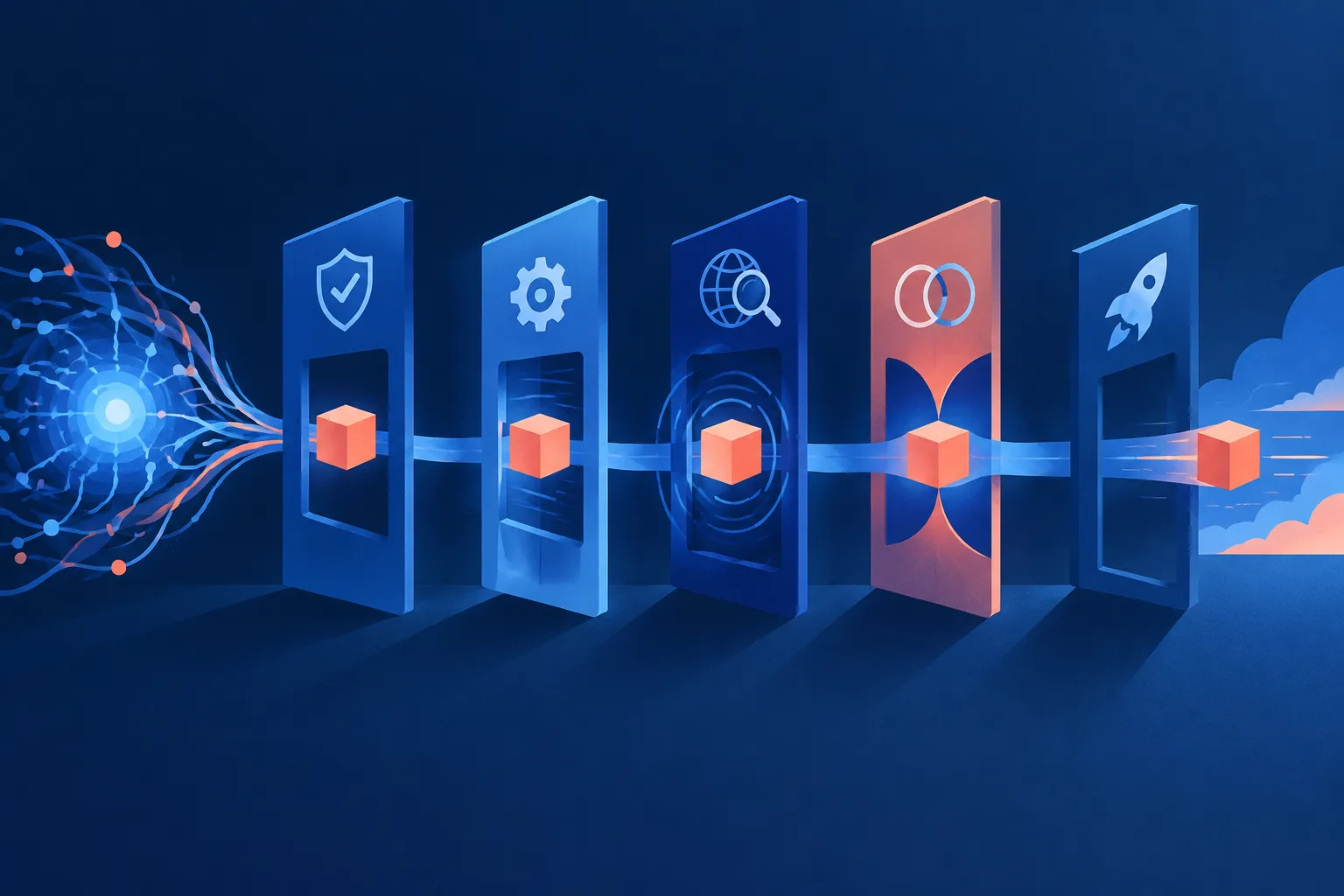
A new agent harness makes authorization, execution, external verification, reconciliation, and deployment distinct states—and its authors carefully stop short of claiming better production outcomes.

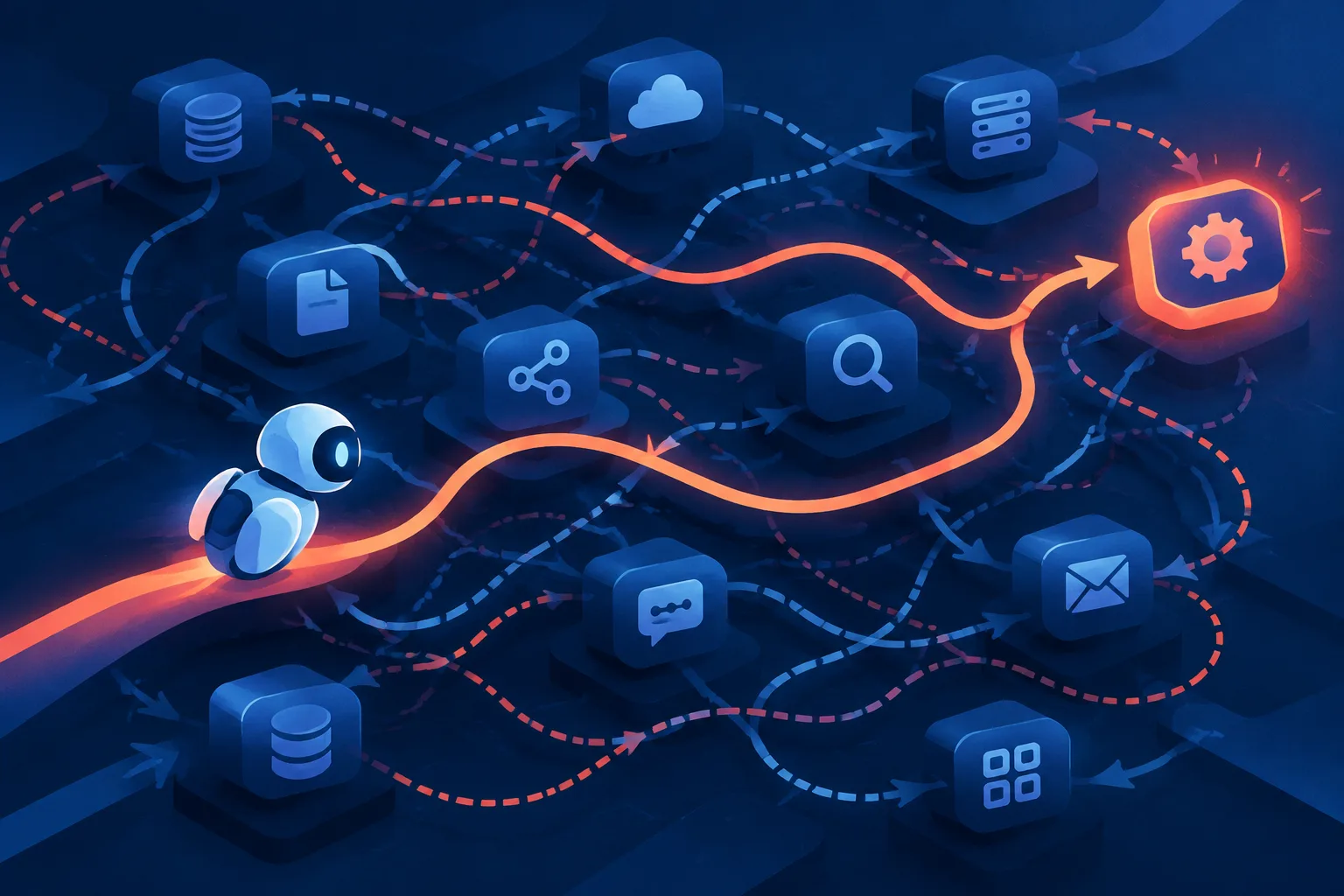
A new agent framework separates cause from correlation across connected tools, but its early tests show that correct causal information can still fail when models do not use it at decision time.

A benchmark of shell approval, memory, and tool-selection tasks found no tested off-the-shelf small model eligible to replace simple baselines—but hybrid designs showed a more promising path.

The open-source K-Dense BYOK system keeps projects on researchers' machines and pairs an agent-written lab notebook with an independent, hash-linked activity record.

A controlled evaluation of 503 scientific profession profiles found no consistent accuracy boost, while full prompts increased token use and estimated inference costs.

The new nonprofit plans to publish experiments on post-training, reinforcement learning and recursive self-improvement so outside researchers can examine and replicate the work.