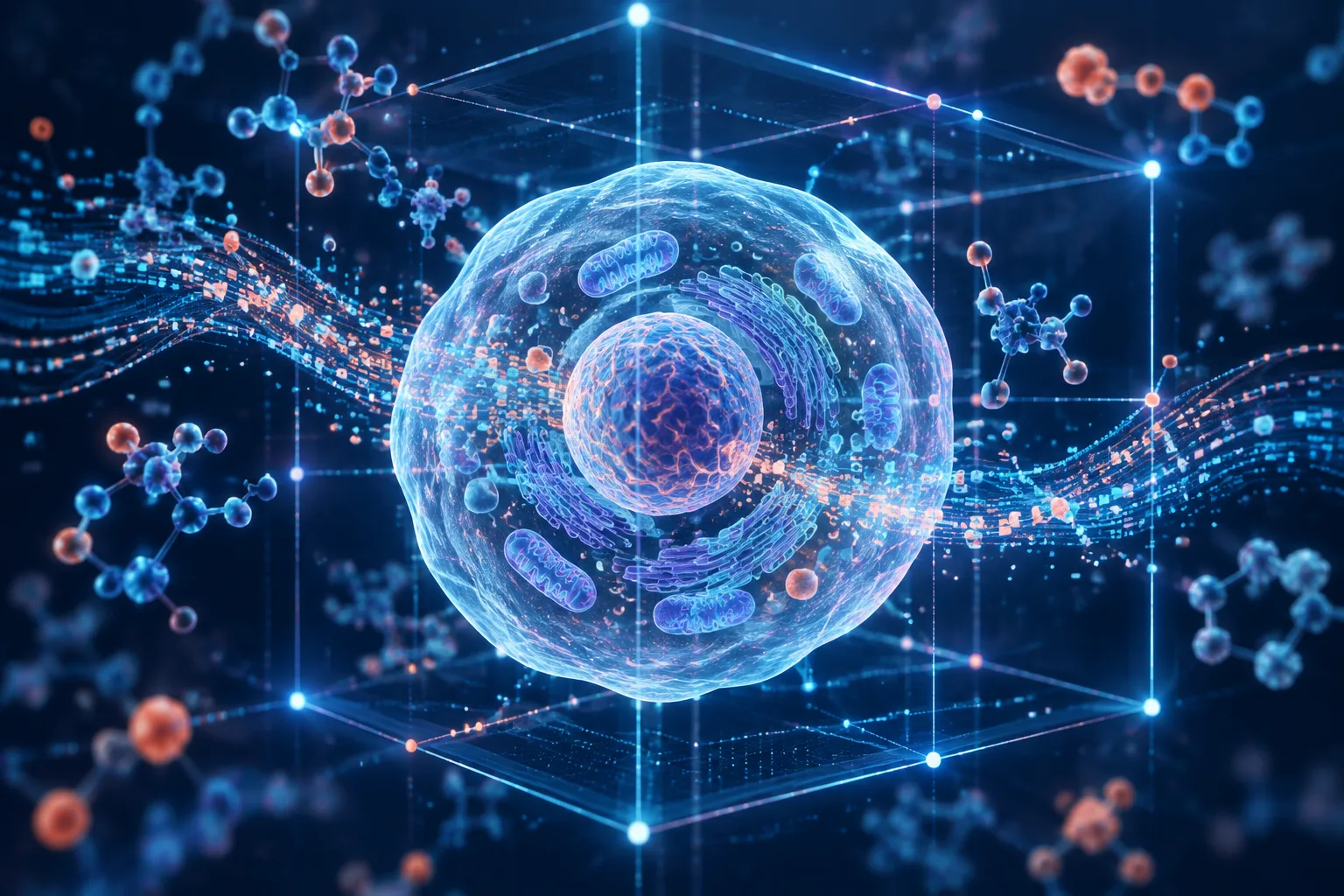
Google DeepMind, Meta and AI drug-discovery company Isomorphic Labs are jointly committing $300 million to Biohub, the nonprofit biomedical research organization founded by Mark Zuckerberg and Priscilla Chan. The Verge reported on October 7 that the investment sits within a broader $1.8 billion initiative focused on building datasets and models that could let researchers investigate biological questions digitally.
The program is centered on the idea of a virtual cell: a computational model that researchers could use to simulate biological behavior. Biohub's goal is not described as a finished digital replica of human biology, but as a research effort that could eventually make some experiments possible in software. If the models become sufficiently accurate, digital testing could help scientists explore hypotheses before moving to slower or more resource-intensive laboratory work.
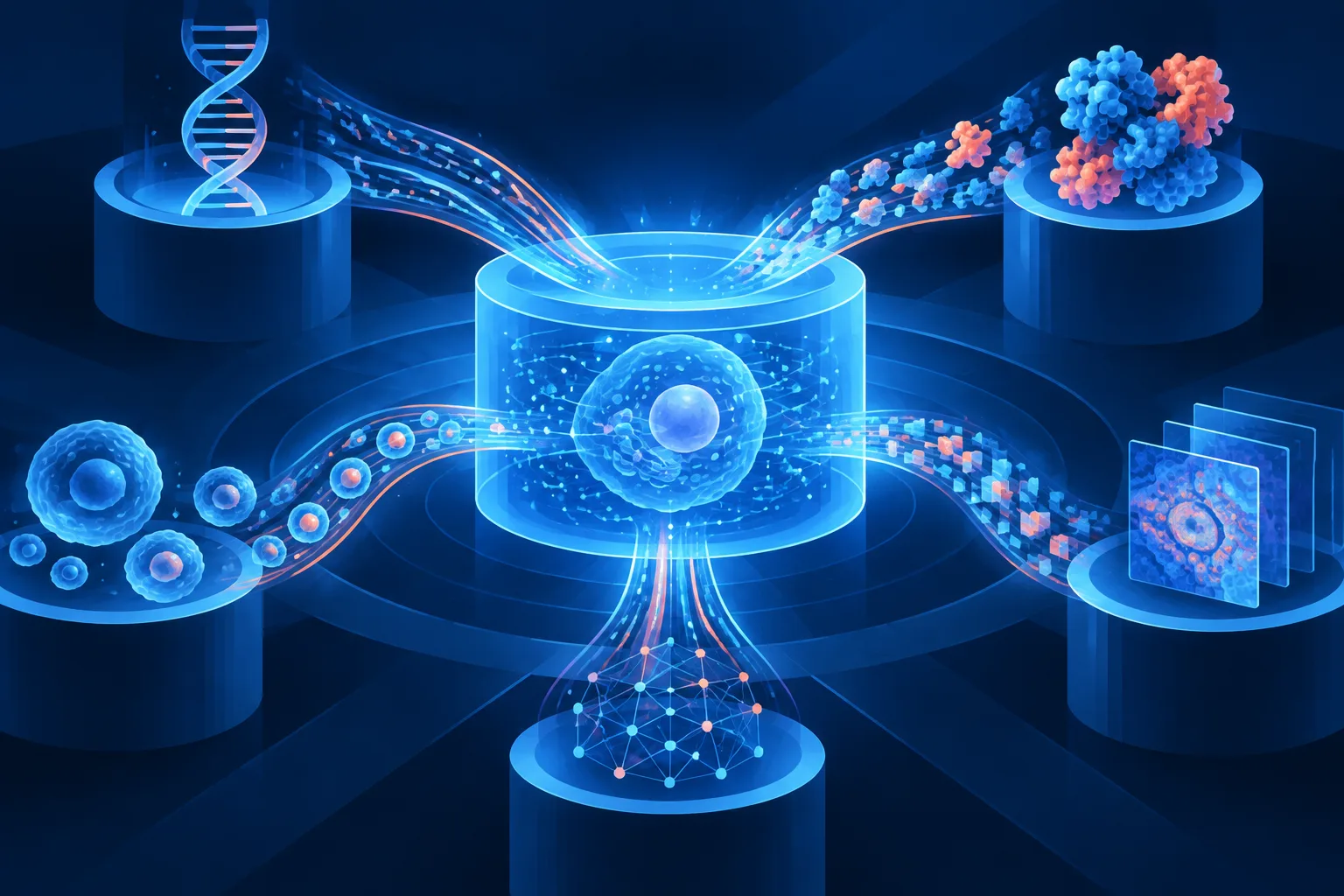
Public funding is a major part of the plan. According to The Verge, the US Department of Energy will invest more than $500 million over five years. The National Institutes of Health will contribute datasets, repositories and knowledge bases produced through more than $500 million in earlier federal investment. Those contributions place data infrastructure alongside direct financing as a core ingredient of the initiative.
The mix of partners also shows the scale of the challenge. Google DeepMind and Meta bring large AI research operations, while Isomorphic Labs focuses on applying AI to drug discovery. Biohub is positioned as the biomedical organization coordinating the effort. The Verge, citing Biohub's announcement, said the work will require coordinated data generation across national and international participants rather than a single laboratory or model developer.
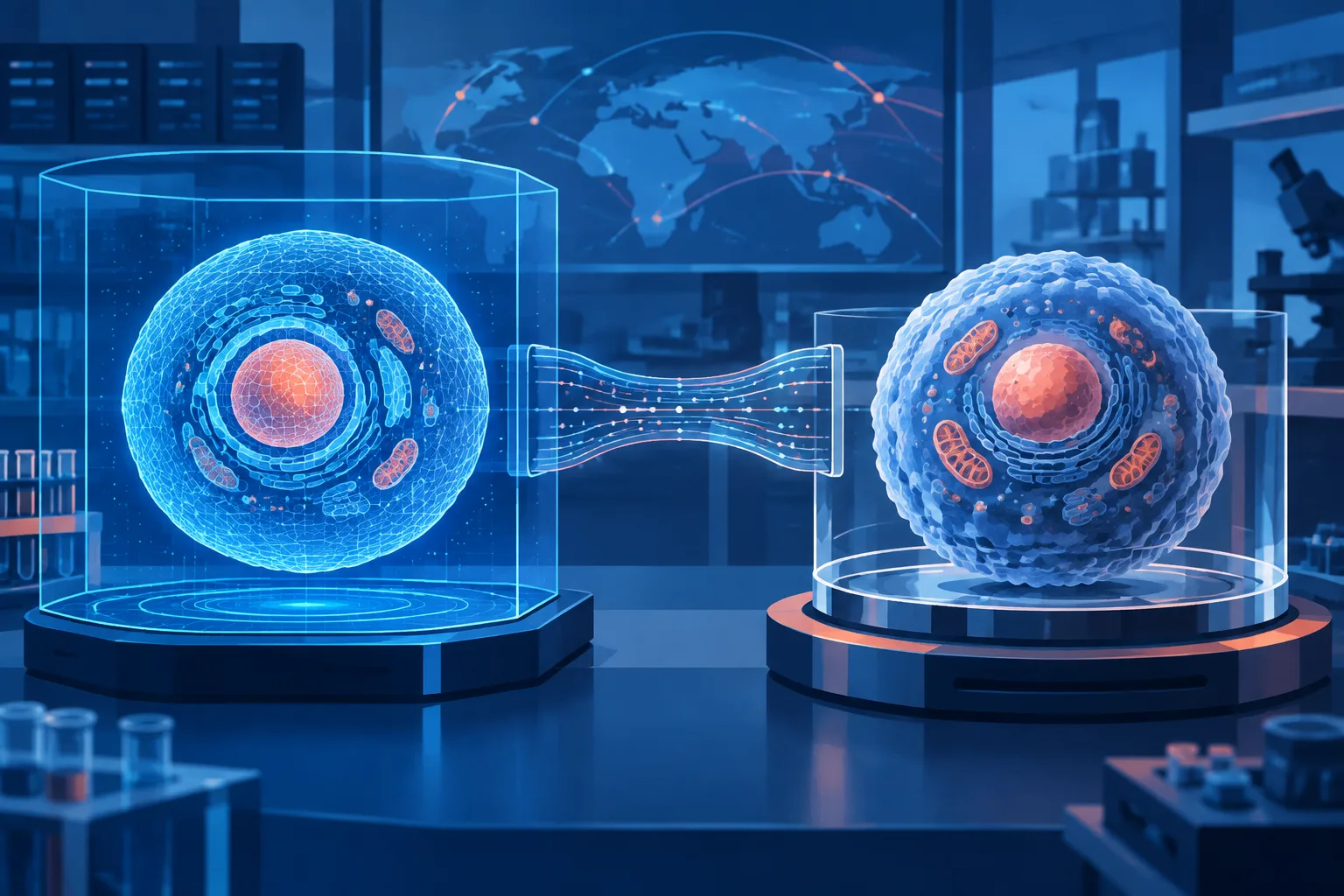
Biohub was founded in 2016 and has previously presented the virtual-cell concept as a way for researchers to run simulations related to disease. The newly announced funding expands that ambition by linking model development to large biological datasets and federal research resources. The intended outcome is faster scientific discovery and new ways to prevent or manage disease, although the report does not provide a launch date for a completed virtual-cell system or evidence that the full goal has already been achieved.
The initiative therefore represents a large wager on predictive biology, not a completed breakthrough. The disclosed commitments identify who is funding the work and what infrastructure they plan to assemble, but the usefulness of any resulting virtual cell will depend on the quality of the underlying data and how accurately its predictions hold up against real experiments. For now, the consequential change is the formation of a well-funded coalition attempting to turn that research direction into shared scientific infrastructure.
Comments
Loading comments…