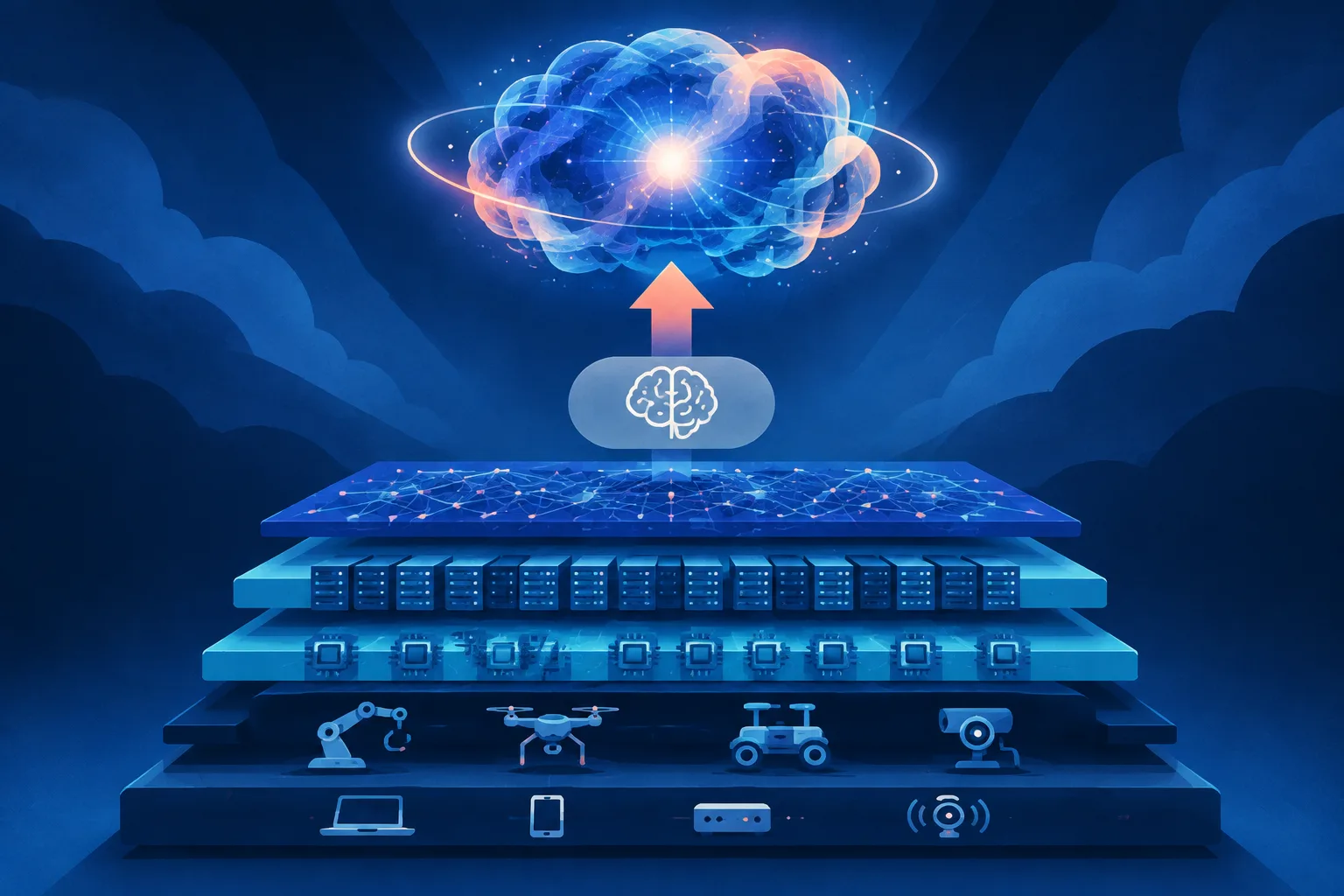
The United States government is replacing the term artificial intelligence with Super Intelligence under an executive order issued by President Donald Trump, according to an October 2 WIRED commentary by Steven Levy. The order followed a White House lunch attended by major technology executives, where WIRED reported that no participant publicly objected to the change.
The terminology being displaced has roots in the field’s earliest formal history. Computer scientist John McCarthy proposed the name artificial intelligence for a 1956 gathering at Dartmouth College focused on whether machines could perform processes associated with human thought. Over the following seven decades, the phrase became the broad label for research and products spanning many different levels of capability.
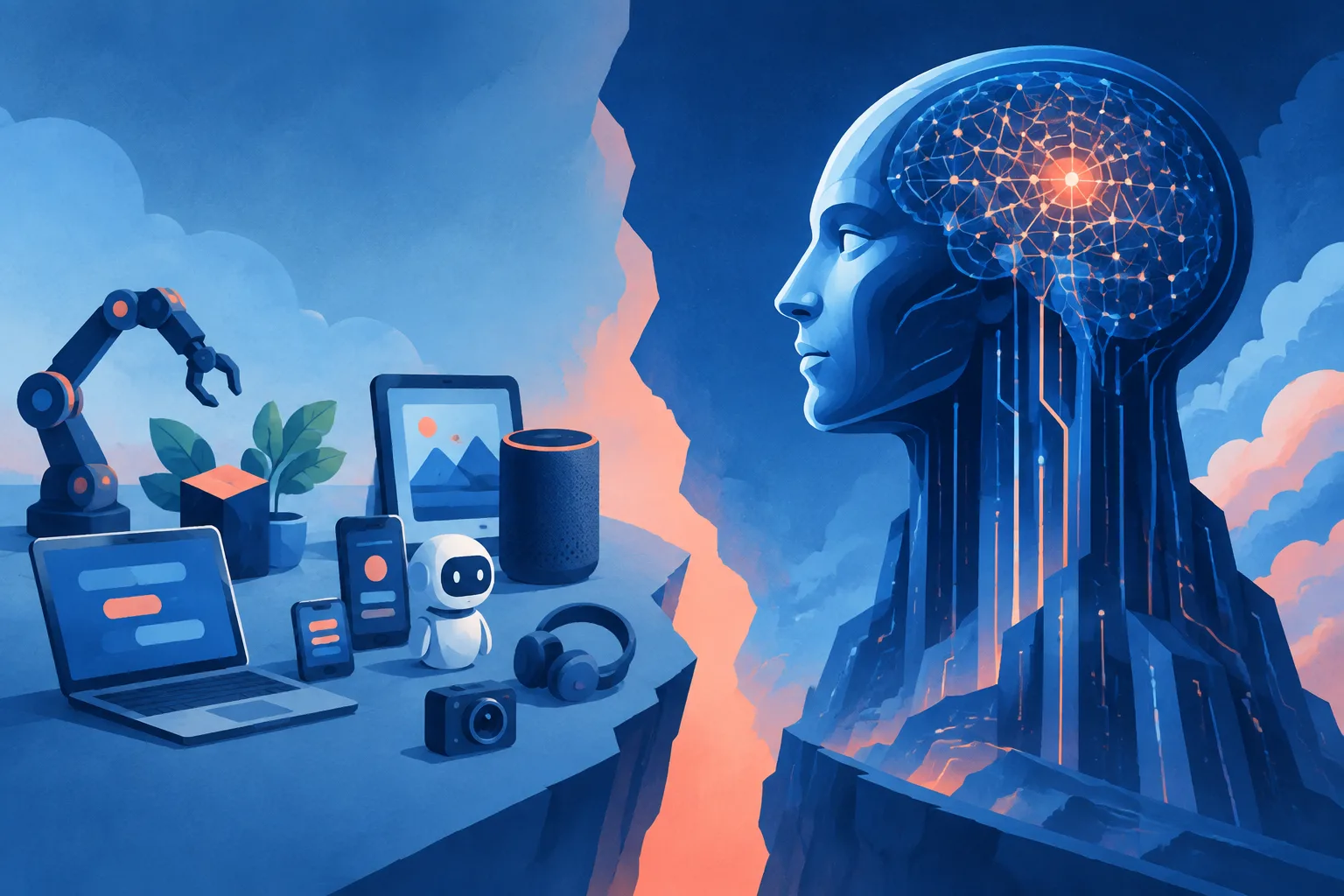
Superintelligence already has a more specific meaning in technical and philosophical discussions. Nick Bostrom, whose book helped popularize the concept, told WIRED that it refers to systems that substantially exceed the capabilities of the best human minds. Artificial intelligence is the wider category, encompassing tools as varied as spam filters, spell checkers, navigation systems, early language models, and older chess programs.
That difference means the government’s preferred term could describe ordinary automated systems as if they had abilities far beyond humans. WIRED asked Google, Microsoft, Anthropic, Meta, Amazon, OpenAI, and xAI whether they would revise product names, research papers, or corporate communications. Levy reported that none had responded by the time his commentary was published, leaving the private-sector effect uncertain.
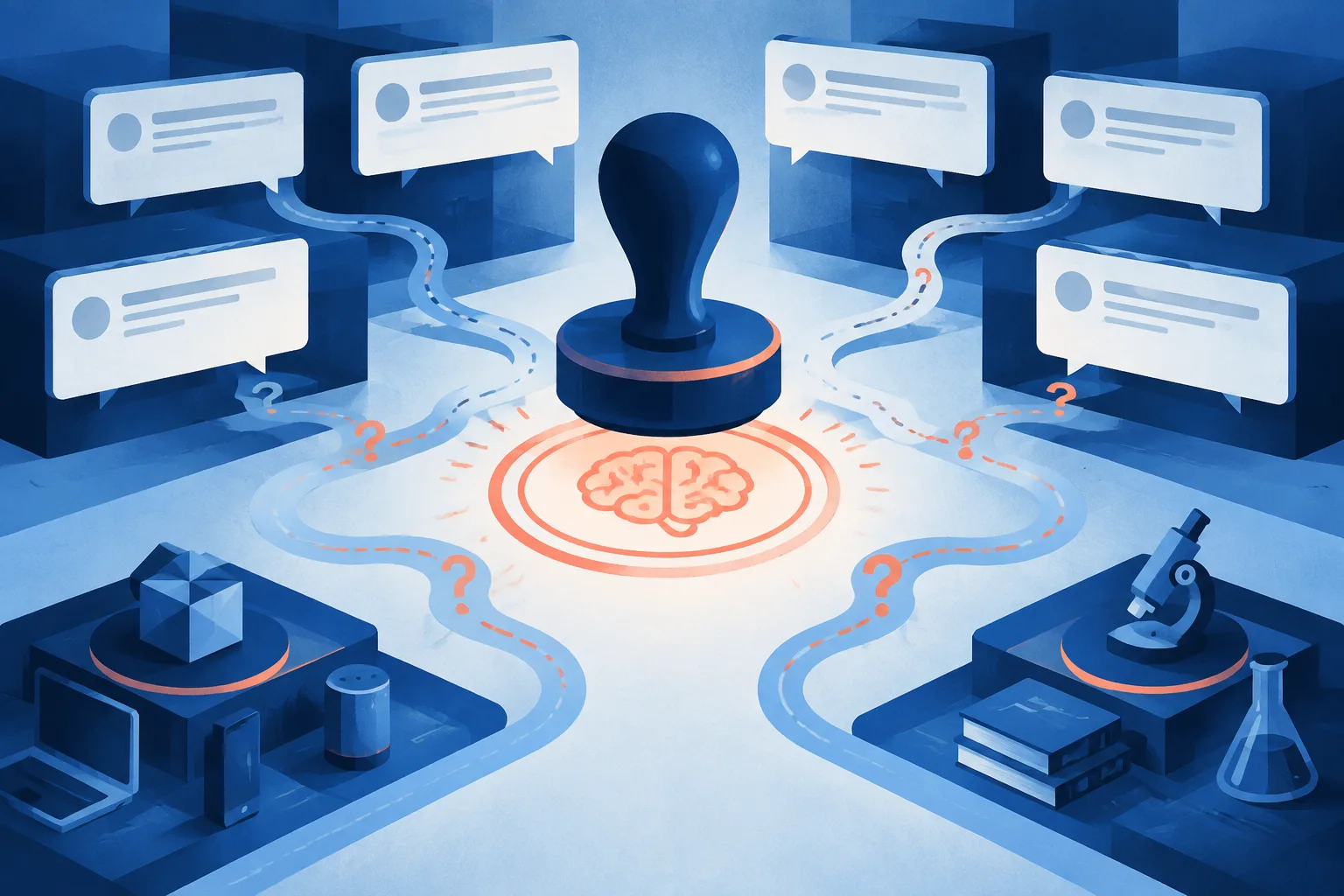
Trump first signaled the change during a September 23 speech at the United Nations. WIRED reported that he objected to the word artificial because he associated it with something fake, later describing the established phrase as inappropriate. Levy notes that McCarthy used artificial to distinguish machine intelligence from human intelligence, not to suggest that the technology or its outputs were imaginary.
The article’s broader interpretation is clearly presented as analysis. Author Jacob Weisberg described the White House episode to WIRED as a loyalty test for powerful executives, while Levy argued that their reported silence raises questions about corporate independence. He connects that concern to the same meeting’s voluntary safety agreement: if companies face financial and political pressure, the commentary asks whether they will show the resolve needed to enforce demanding safety commitments on themselves.
Comments
Loading comments…