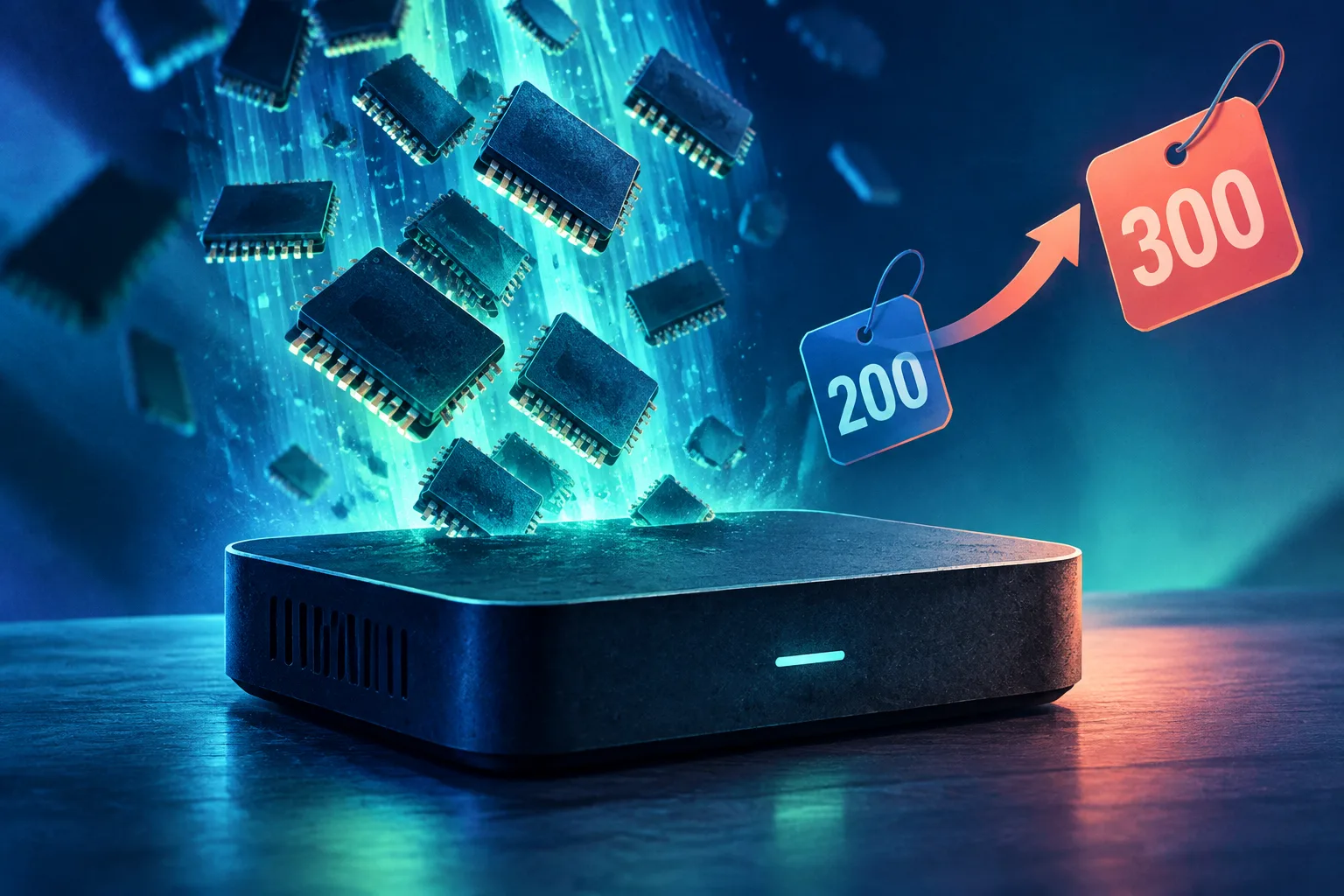
A streaming device introduced in 2019 has become an unlikely marker of the AI hardware boom. Nvidia has raised the price of the Shield TV Pro by $100, taking the seven-year-old media box from its original $199.99 price to $299.99, according to an October 3 report published by WIRED and originally appearing in Ars Technica.
The increase took effect October 2. Nvidia told Ars Technica that component expenses, including memory, had risen substantially across the industry. The company did not announce new features or upgraded hardware alongside the higher price.
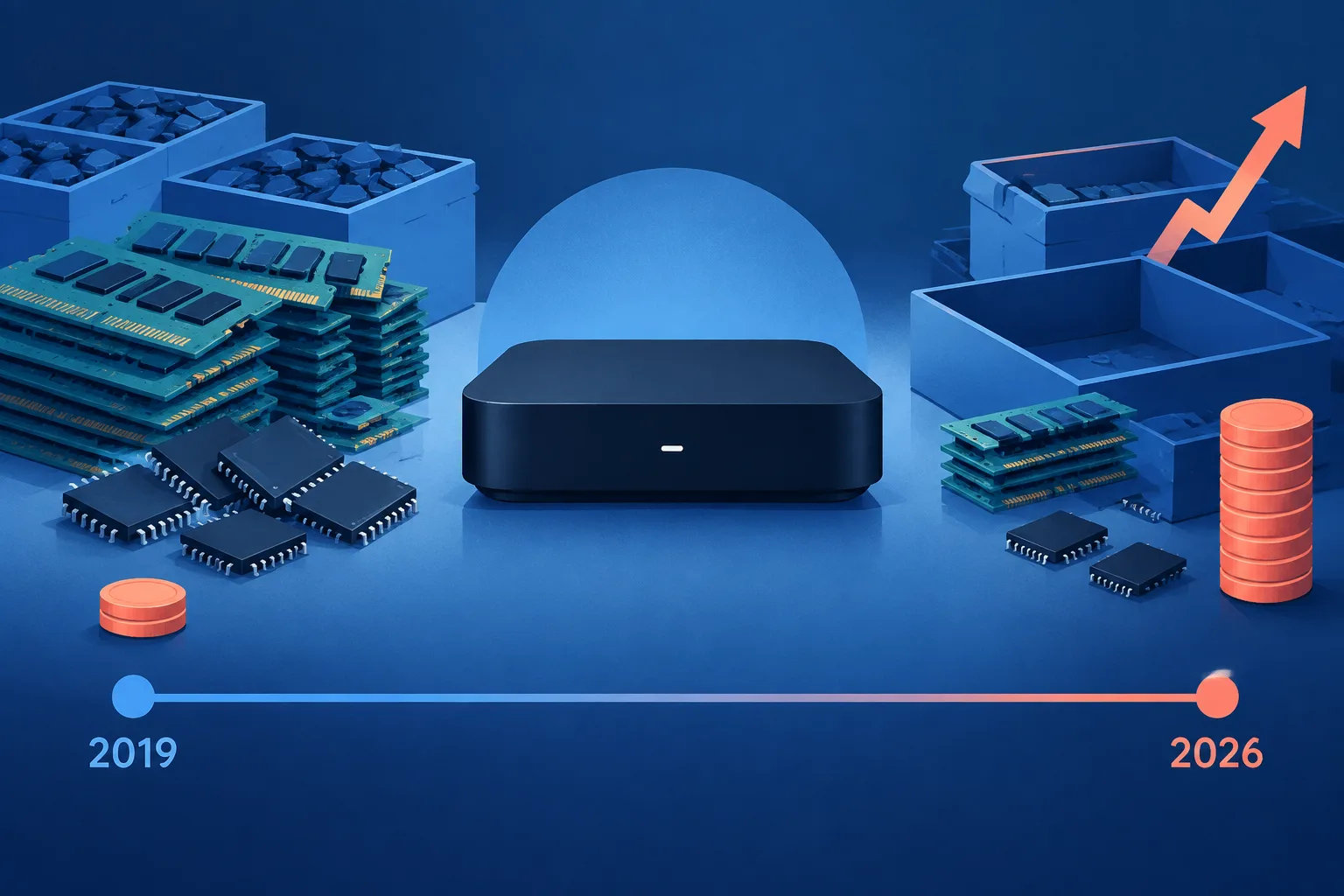
The latest Shield TV Pro still uses the Tegra X1+ processor from its 2019 debut. It runs Android TV and supports AI upscaling and hardware decoding for a broad range of media formats. Nvidia originally sold a less expensive non-Pro Shield for $149.99, but that version has since been discontinued.
The device remains in active production rather than being sold from an old inventory reserve. Nvidia executive Andrew Bell told Ars Technica earlier in 2026 that the Shield had become a passion project and that the company continued to sell every unit it manufactured. That means newly produced units must be built with components purchased under current market conditions.
WIRED connected those conditions to the broader demand created by generative AI, which has increased pressure on memory and storage supply chains. Nvidia is not merely exposed to that trend: it is also a central supplier of the accelerators and graphics processors used to build large-scale AI infrastructure. The report argues that the same expansion enriching the company is helping make components more expensive.

The Shield price change fits a wider pattern of consumer electronics becoming costlier during their market life. WIRED pointed to recent increases affecting game hardware from Nintendo, Microsoft, and Sony, including the PlayStation 5 Pro, whose price has risen from $699.99 at its 2024 launch to $899.99.
Supply at retailers had been limited in the months before Nvidia’s announcement. WIRED suggested that rising manufacturing costs may have made the previous Shield price difficult to sustain, though Nvidia did not provide that explanation directly. A $300 selling price could support continued production, but it also makes an already specialized streamer less attractive to buyers who only need mainstream video services.
The Shield may still appeal to people who rely on its extensive codec support or its ability to operate as a Plex server. For most consumers, however, the report concludes that less expensive streaming hardware offers better value. The episode shows how AI infrastructure demand can reach far beyond data centers, reshaping the price of mature products that contain no newly announced technology.
Comments
Loading comments…