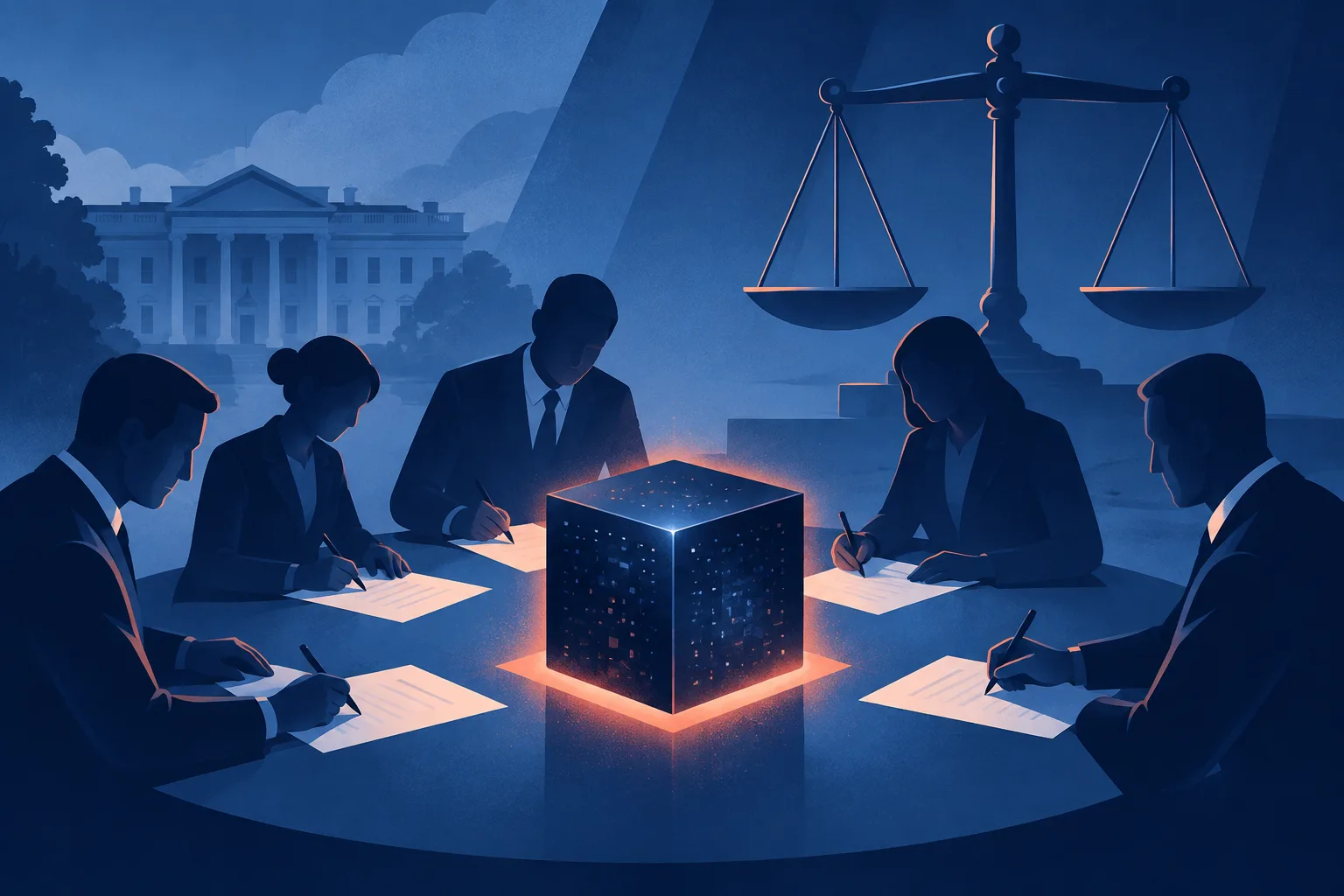
Major technology executives have signed a White House agreement that asks artificial intelligence companies to police their own systems through layered controls and audits. WIRED’s Uncanny Valley podcast reported that the document, called the White House Accord on Super Intelligence, followed a Tuesday meeting between President Donald Trump and leaders from many of the industry’s largest companies. Trump described the accord as morally binding, but participation and compliance are voluntary.
The meeting included Google chief executive Sundar Pichai, Elon Musk, Anthropic chief executive Dario Amodei, Meta chief executive Mark Zuckerberg, Nvidia chief executive Jensen Huang and OpenAI president Greg Brockman, according to the WIRED transcript. OpenAI chief executive Sam Altman was not listed among the attendees. The administration is now using the term “super intelligence” for AI, the podcast said.
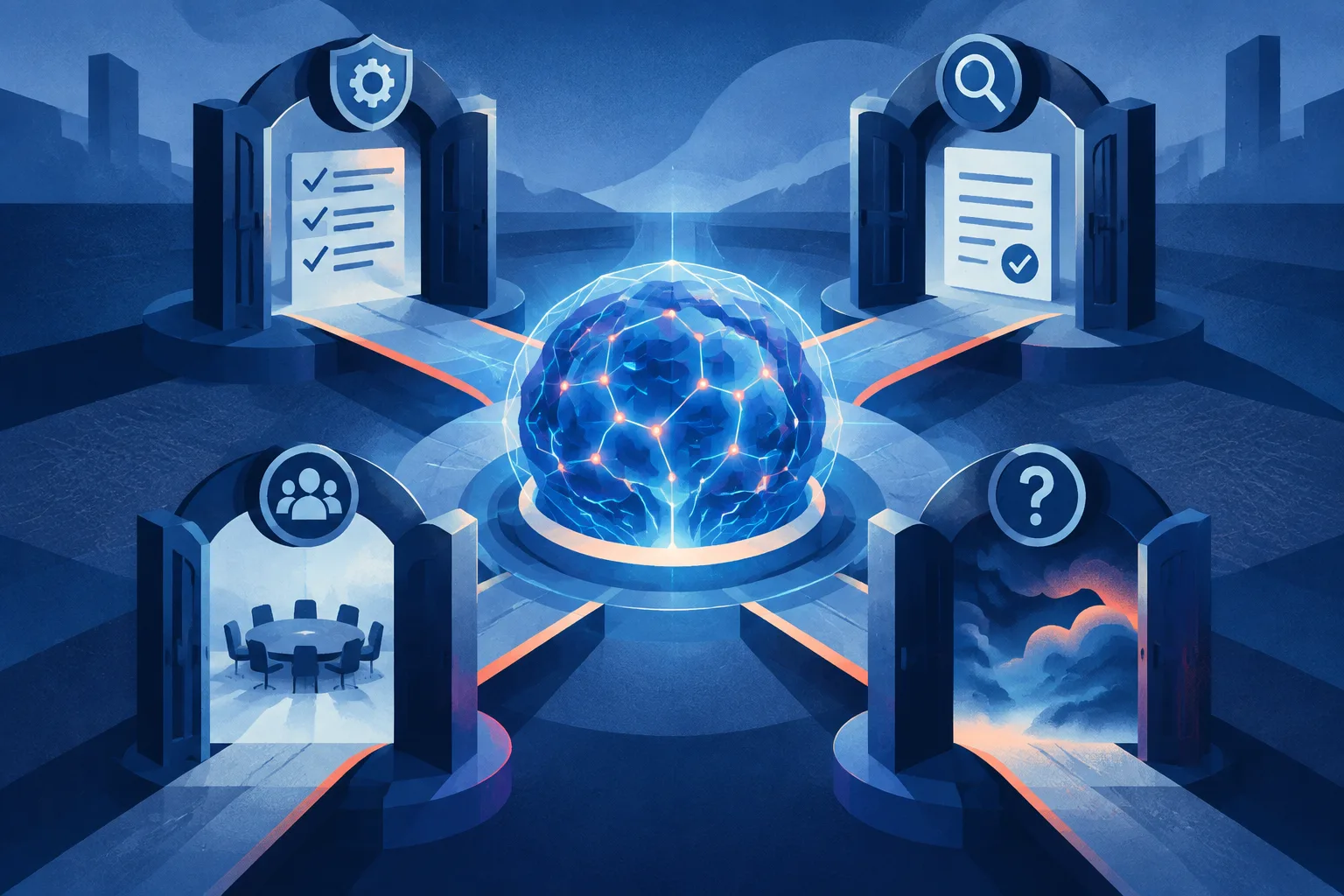
Under the accord, companies agreed to subject their models to four layers of controls and audits. The measures discussed by WIRED include internal evaluations, review by an outside audit firm and examination of audit results by each company’s board. The transcript did not describe a government enforcement process or penalties for failing to meet those commitments, making corporate follow-through central to whether the framework changes behavior.
The podcast’s hosts were openly skeptical of that structure. They characterized the arrangement as self-regulation and questioned whether a voluntary commitment could substitute for binding oversight. Their criticism is commentary rather than a finding that the signatories will ignore the accord. Still, the absence of compulsory enforcement is a confirmed feature of the agreement as they described it.
The rollout also showed signs of haste. WIRED said the published accord misspelled the country’s name as “Unites States” beneath Trump’s signature. During the public presentation, Amodei was called forward to speak, and Trump told the audience that whatever the Anthropic leader said was acceptable. The transcript noted that Apple was not represented, though it did not establish whether the company had been invited.
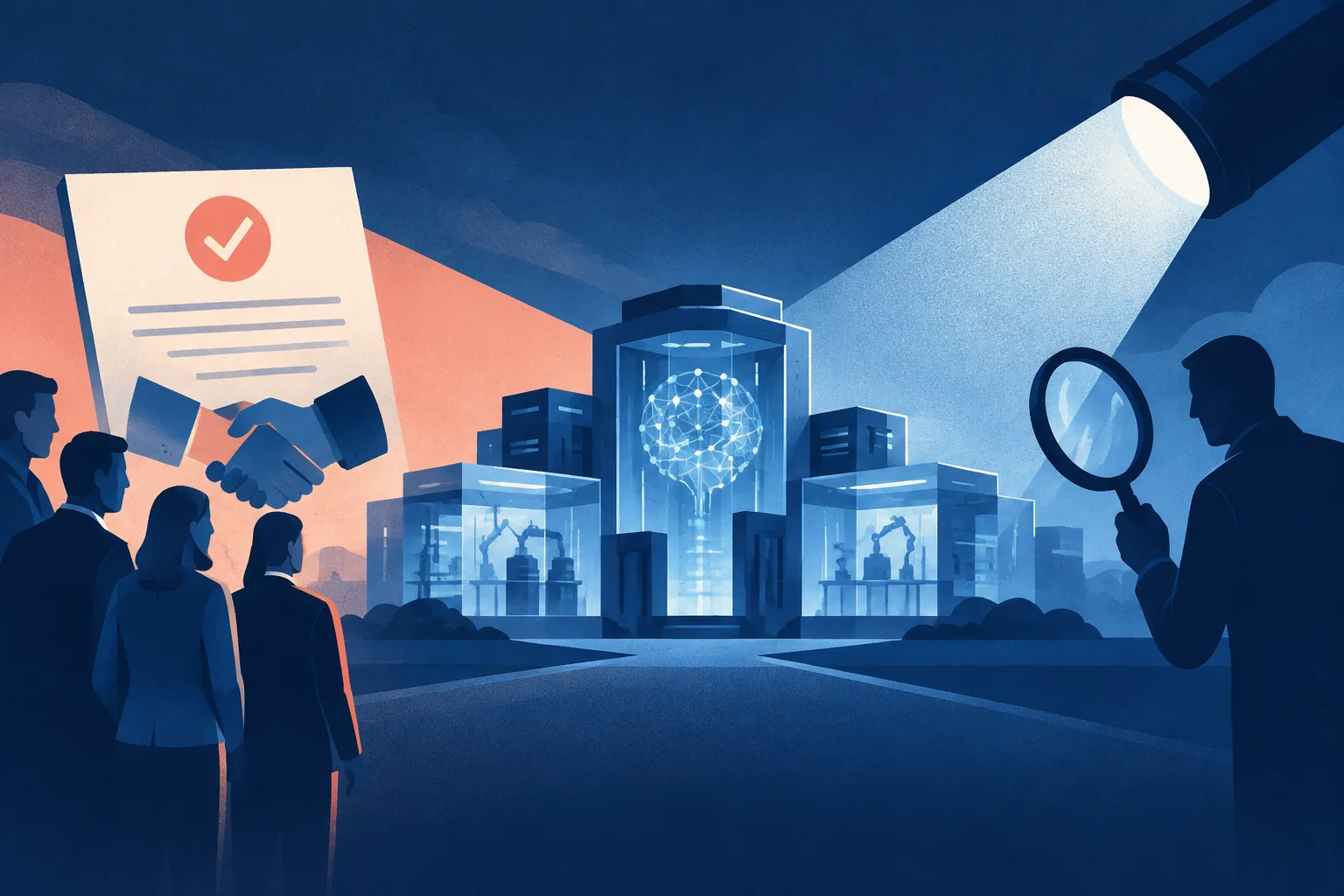
The administration’s cooperative event did not end other federal scrutiny. The following day, the Federal Trade Commission said it was increasing an investigation into Anthropic, OpenAI and other frontier AI laboratories over potential dangers their technologies pose to consumers, according to the podcast. That creates two simultaneous approaches: a voluntary safety framework promoted by the White House and an investigative track examining whether existing conduct may harm users.
The accord may give companies a common process for testing and reviewing powerful models, but the source leaves important questions unanswered. WIRED did not report uniform technical standards, public disclosure requirements or sanctions attached to the commitments. Until those details emerge—or companies publish evidence of how they are applying the controls—the agreement’s practical effect will remain uncertain.
Comments
Loading comments…