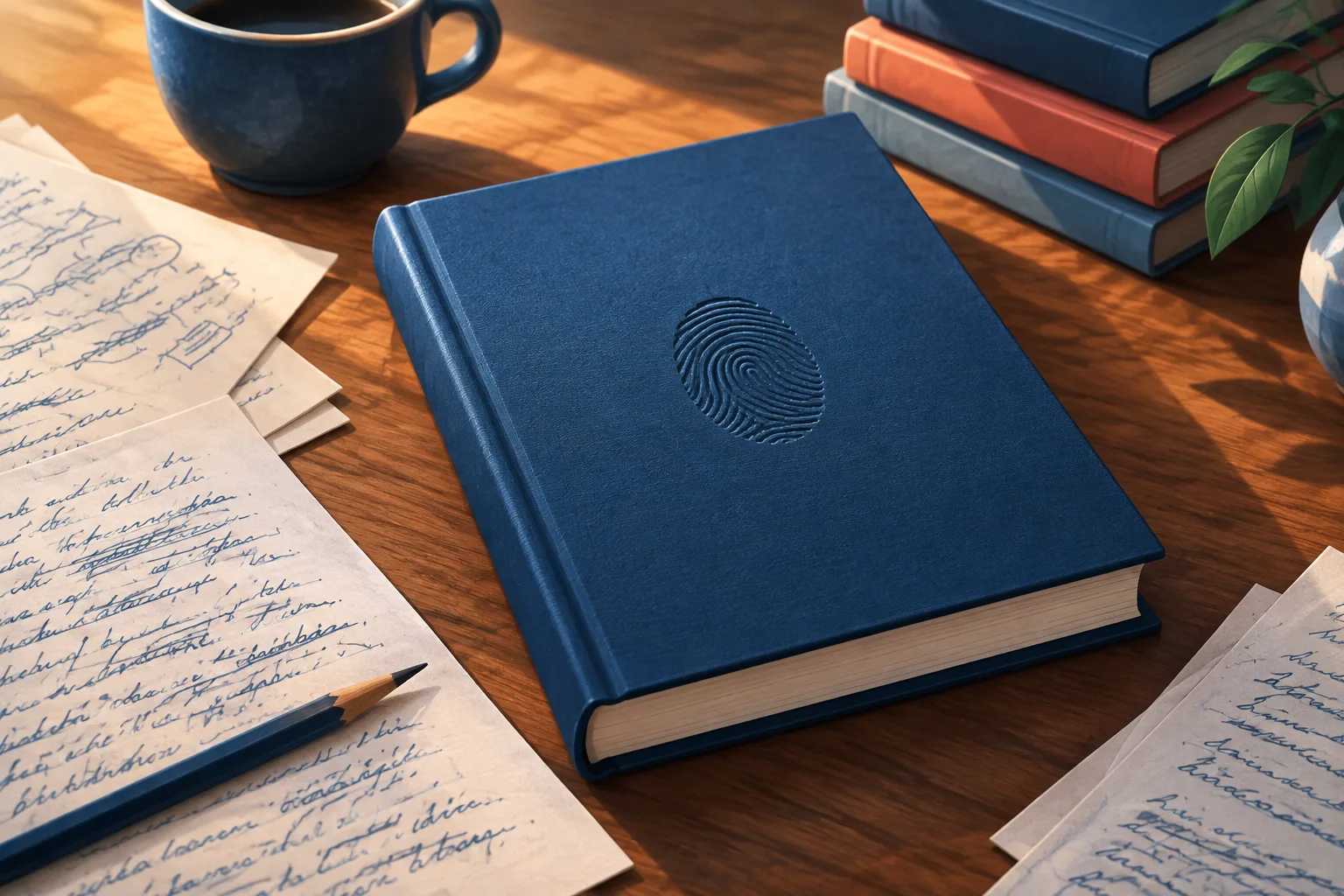
A British startup is preparing to place a visible human-authorship mark on published books, turning the debate over AI-written literature into something readers could encounter directly on a cover. WIRED reported on October 7 that Books by People has received approval from the UK Intellectual Property Office to distribute the mark, which resembles a thumbprint and is intended to indicate that a book was written by a person.
The certification is designed to give readers a choice rather than prohibit machine-generated books. Esme Dennys, a cofounder of Books by People, told WIRED that people remain free to write or read AI-generated work, but readers who specifically want human-written books should have a way to identify them. The distinction matters as publishing confronts repeated disputes over whether professional authors used generative AI without disclosure.
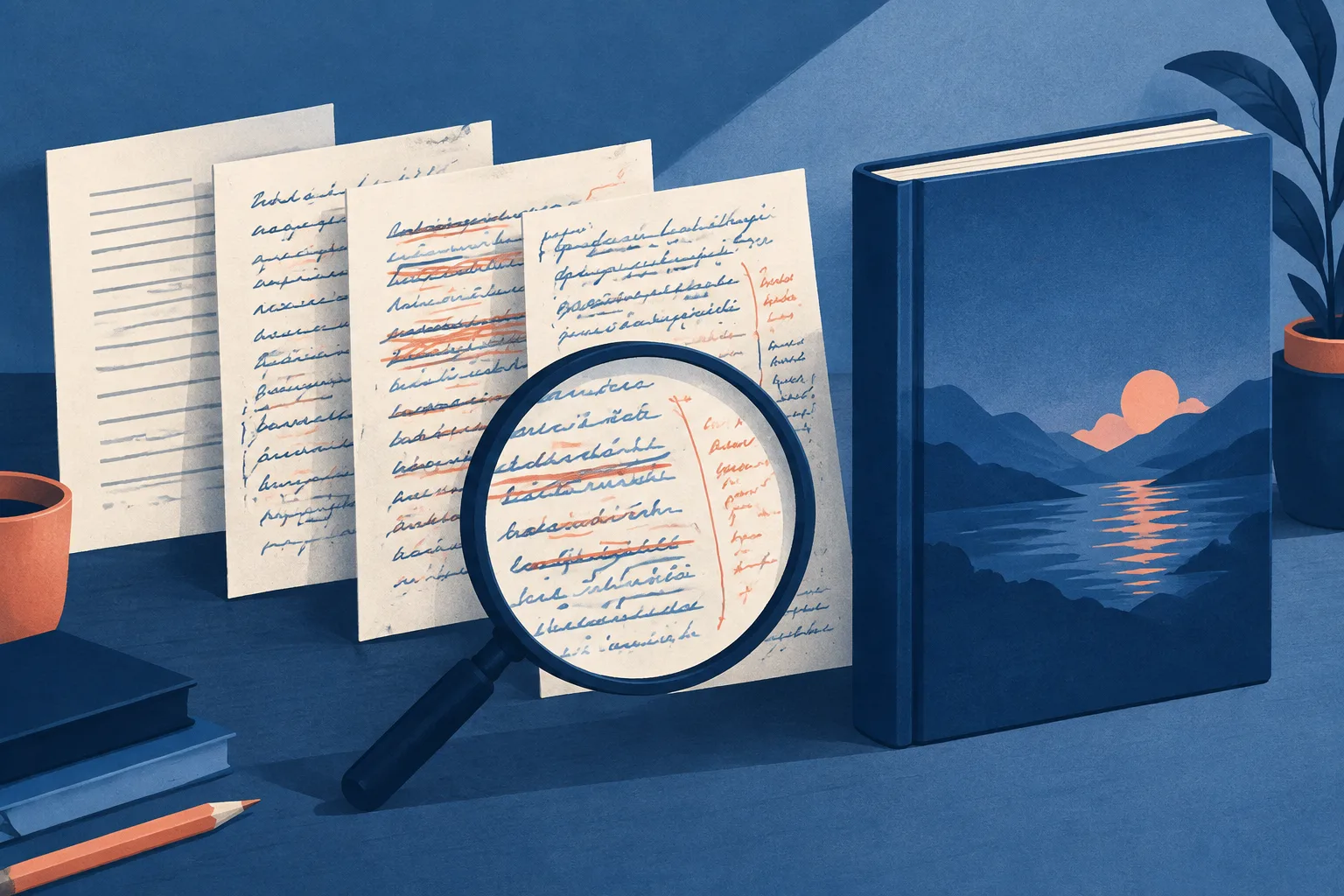
Books by People says its process goes beyond asking an author for a promise. Applicants provide an authorship declaration, while the organization runs the manuscript through proprietary software and manually examines early drafts, research materials and other records supplied by the author and editor. Dennys described the goal as looking for evidence of a natural process of drafting and revision, rather than relying on a single automated score.
The organization plans to charge publishers a flat membership fee and an additional amount for each submitted title. According to WIRED, five publishers have joined so far, and the startup expects the first certified book to carry the mark by the end of 2026. That early participation makes the effort a limited experiment, not yet an industry-wide standard.
The timing reflects a year of publishing controversies. WIRED cited a literary agent canceling a deal reportedly worth $2 million, a publisher withdrawing a novel, and readers alleging that a prize-winning short story had been generated with AI. Industry figures interviewed by WIRED did not necessarily expect machine-written books to replace authors; their larger concern was that undisclosed AI use could weaken the trust connecting writers, publishers and readers.

Certification also creates a risk of its own: an incorrect judgment can damage an author’s reputation. The WIRED report highlighted questions around AI-detection tools, including a dispute involving debut author Jerry Falade. Falade said software had mistaken his Nigerian dialect for evidence of AI use after Pangram scored his manuscript as 97 percent AI-generated. Pangram, which WIRED described as a leader in AI-text detection, claims 99.7 percent accuracy for its system but did not respond to the publication’s request for comment on Falade’s allegation.
Books by People is positioning its document-heavy review as different from that technology-first approach. Dennys told WIRED that the organization does not describe its process as AI detection, arguing that a race against improving models would not be sustainable. She said reviewers intend to favor the author when evidence is ambiguous and emphasized that the public process, rather than a claim of infallible detection, is the foundation of the certification.
That distinction may determine whether the mark becomes a useful signal or another source of suspicion. Critics quoted by WIRED warned against making authors prove their humanity by default and argued that publishers should instead label AI-generated work. Supporters see the seal as a statement of values even without perfect enforcement. For now, Books by People is testing whether a documented creative trail can preserve reader confidence without turning uncertainty about AI into a presumption against writers.
Comments
Loading comments…