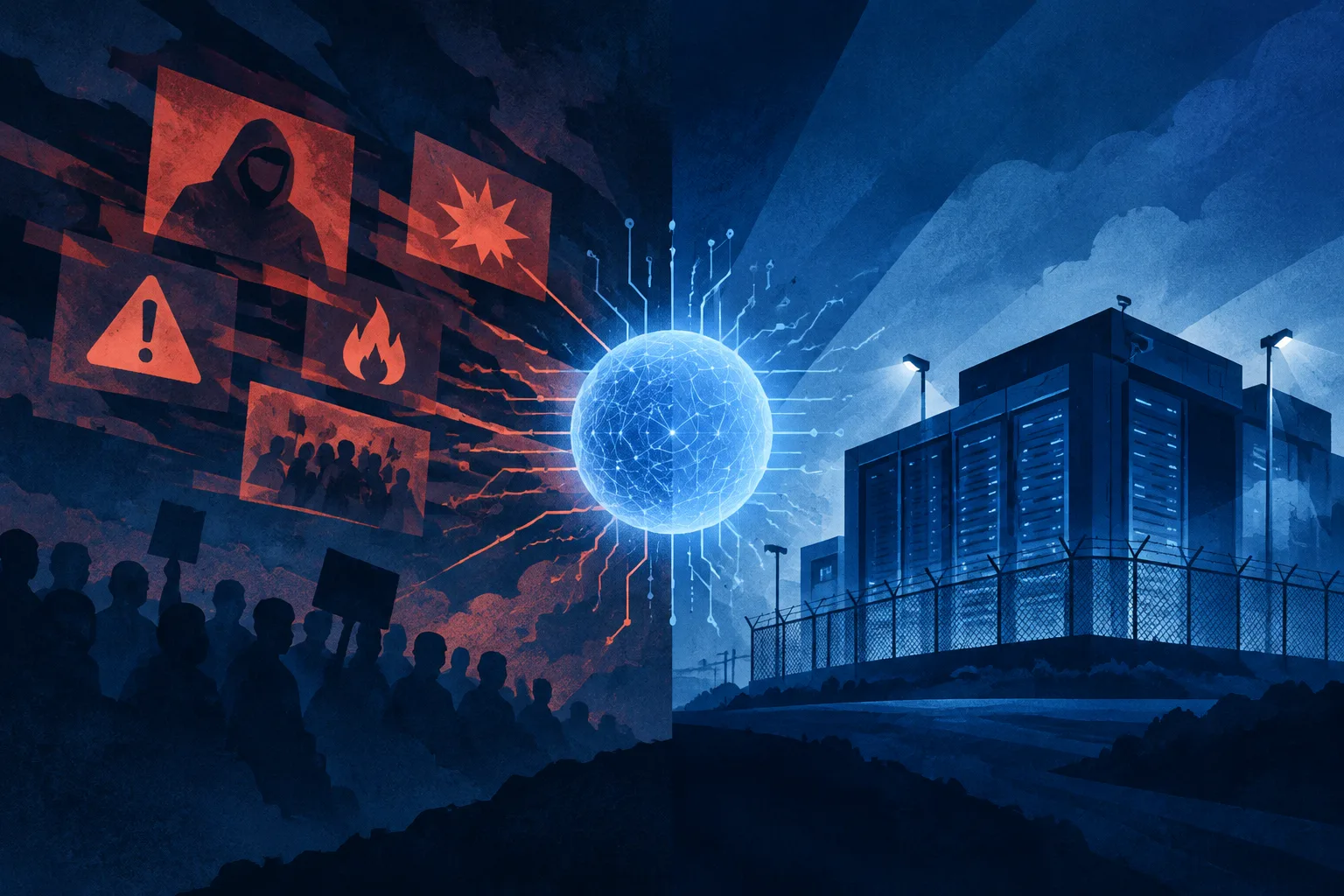
U.S. law enforcement agencies are increasingly treating artificial intelligence as both a tool that could assist violent actors and a target for people hostile to the technology. The Guardian reported on October 14 that more than 80 previously unreported documents and memos circulated among federal, state and local agencies between 2021 and 2026 reveal a broad effort to understand those two risks at the same time.
The documents were obtained by the government-transparency nonprofit Property of the People and shared with The Guardian. They included material from the Department of Homeland Security, the FBI, the New York City Police Department and regional intelligence-sharing centers. According to the report, agencies discussed the use of AI for attack planning, recruitment, propaganda, deepfakes, election misinformation and abusive synthetic content, as well as how police might use AI for tasks such as monitoring social media.
One FBI memo distributed by the bureau’s Los Angeles division in May 2026 warned that malicious actors were likely to increase their use of generative AI for planning attacks. The memo said existing safeguards could be circumvented through jailbreaking. The Guardian tied that concern to a 2025 car bombing outside a Palm Springs fertility clinic, reporting that law enforcement believed the suspect had used an unnamed generative AI tool while preparing the attack.

The agencies’ second concern runs in the opposite direction: attacks against the infrastructure that powers AI. Documents reviewed by The Guardian described law enforcement monitoring threats against data centers, including violent rhetoric on social platforms and forums. The report also placed these newer concerns in the context of earlier extremist plots against technology infrastructure, including a case that resulted in a 2021 prison sentence.
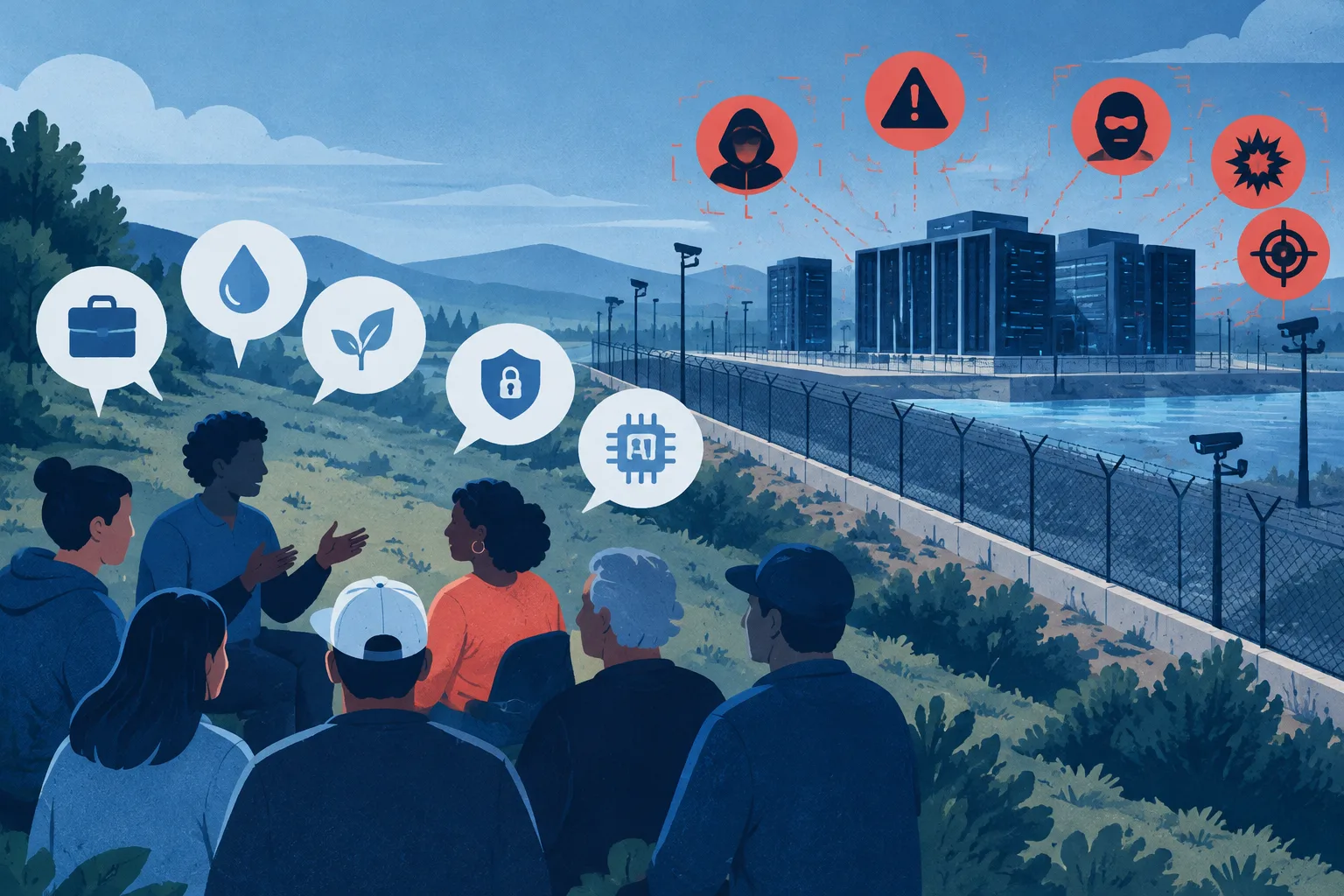
That monitoring creates a difficult boundary problem. Opposition to data centers has expanded beyond fringe groups as communities raise concerns about water consumption, utility costs, pollution and climate effects. The Guardian reported that some intelligence documents cast a wide net, citing not only violent threats but public social-media discussion, proposed legislation and a local hearing on a data-center moratorium as indicators of growing negative sentiment.
Civil-liberties advocates argue that this approach could blur the distinction between genuine threats and lawful political organizing. Ryan Shapiro, executive director of Property of the People, told The Guardian that objections based on jobs, water use, privacy and AI safety are legitimate public concerns. The FBI did not answer the newspaper’s detailed questions about its monitoring, while DHS said its assessments are intended to help partners understand evolving threats from violent extremists.
The records also show how official concern changed as generative AI became more capable and widely available. Early warnings focused heavily on possible misuse involving synthetic media, extremist propaganda and abusive imagery. Later memos described agencies worrying about AI-generated false evidence, increasingly sophisticated cybercrime and the possibility that private chatbot conversations could reduce the public signals that sometimes alert authorities to planned violence.
At the same time, police departments are exploring or already using AI-related tools themselves. The documents described interest in social-media monitoring and other investigative applications, alongside concern about public distrust of AI-enabled policing and surveillance. That tension leaves agencies trying to regulate a technology they also want to use, while explaining how their monitoring will avoid treating ordinary dissent as extremism.
The investigation suggests the immediate policy challenge is less about a single spectacular AI threat than about building workable distinctions. Agencies need methods for responding to credible evidence of violence without assuming that opposition to AI infrastructure is inherently dangerous. The documents reviewed by The Guardian show that law enforcement recognizes the technological risk; they also show why oversight, transparency and clear limits on surveillance will be central to the response.
Comments
Loading comments…