
The archives left behind when a startup shuts down are acquiring a second life. According to an October 13 report by MIT Technology Review, wind-down specialists are increasingly brokering sales of failed companies’ code and internal workspace data to AI developers and businesses building training environments. Material once treated as operational residue—emails, chats, documents and software repositories—is becoming a commercial input for models and agents.
The report opens with the case of Keelan Miskell, who was winding down a young cryptocurrency startup and initially doubted its data had much value. He has received roughly $25,000 for the company’s code base, MIT Technology Review reported, while a separate sale of data from tools including Google, Notion, Figma and Slack remained pending and was expected to bring in about $15,000. The transaction shows how even a short-lived company can leave behind a body of work that buyers consider useful.
SimpleClosure, the wind-down company that brokered that sale, added data sales to its services in April. Its Asset Hub offers code and workplace archives to foundation-model labs, companies that build simulated workspaces for AI training, and established technology businesses developing their own models. MIT Technology Review reported that the hub has handled more than 150 deals and expects to return more than $10 million to startups by the end of 2026. SimpleClosure said 47% of its deals now include a sale of code or data.
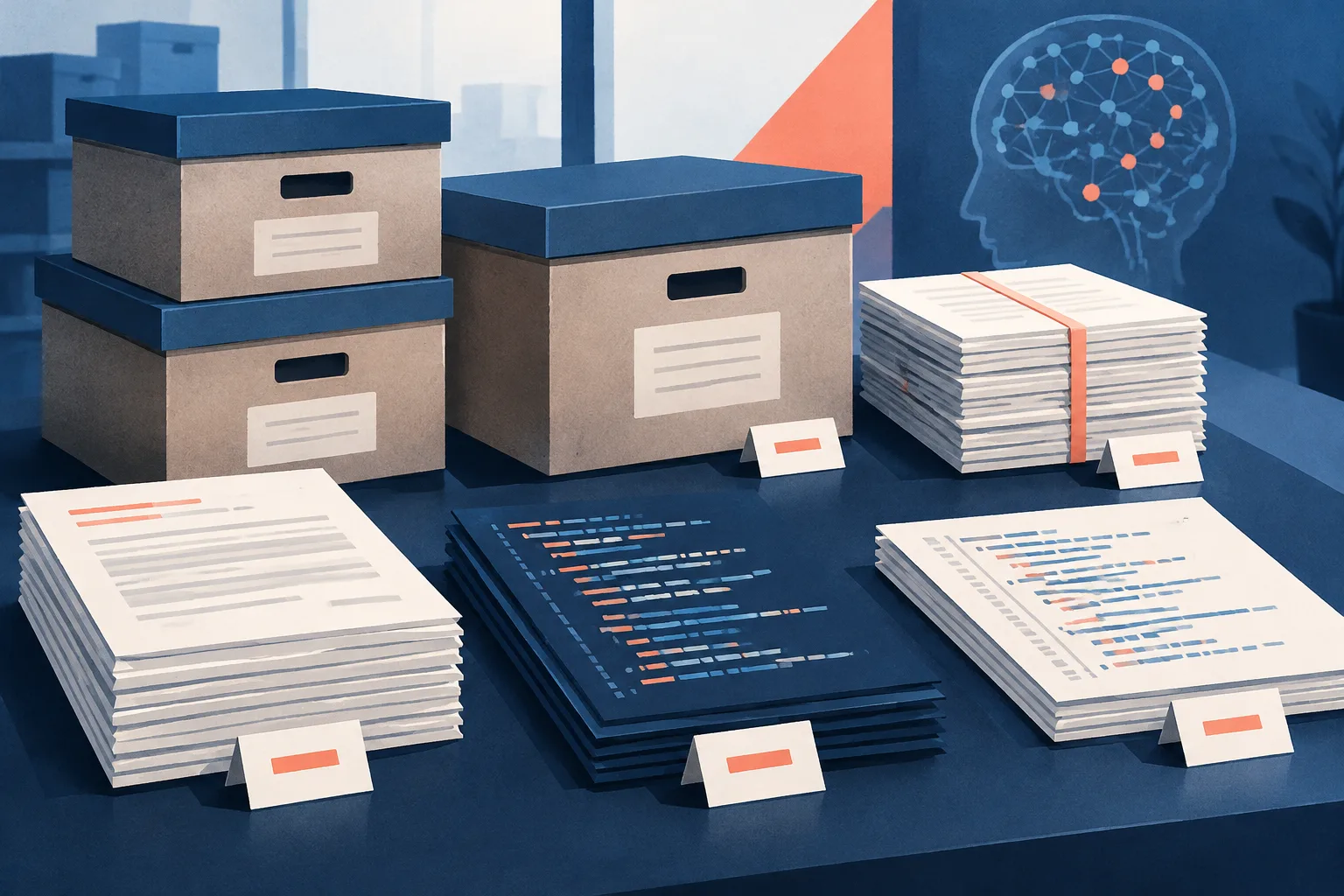
The supply is growing alongside startup failures. Citing estimates from Carta and AngelList, the report said shutdowns have recently been increasing at annual rates ranging from 26% to 56%. An ecosystem has formed around those closures, covering legal, tax and operational work. Data brokerage is now joining that business, with rival wind-down firm Sunset also reporting rapid growth in the resale of company archives.
Demand, meanwhile, reflects the limits AI developers see in public and synthetic datasets. Surge AI buys archives to construct what it calls reinforcement-learning gyms, where AI agents can practice tasks such as debugging complicated technology systems or preparing legal work. The company told MIT Technology Review that it values records containing varied situations, including disputes and decisions that require judgment. A rich set of conversations may therefore be more useful than a much larger but less revealing bundle of files.
Real company records may also avoid some defects of synthetic environments, including internally inconsistent dates. But the report makes clear that the performance case remains unproven: no company has published comparative tests showing how training on real workplace data performs against available alternatives. That uncertainty flows into pricing. Buyers can reach very different valuations because their offers depend on research assumptions about how many useful training tasks a given archive can yield.
The market is already extending beyond small startups. MIT Technology Review cited the August bankruptcy sale of Spirit Airlines data, in which Google outbid AI data company Mercor and paid $10 million for decades of records. The package included 100 million emails, 500 million Teams messages and 176,000 employee records, according to the report. It also noted Bloomberg’s September reporting that SpaceX’s AI unit was considering purchases from struggling startups.
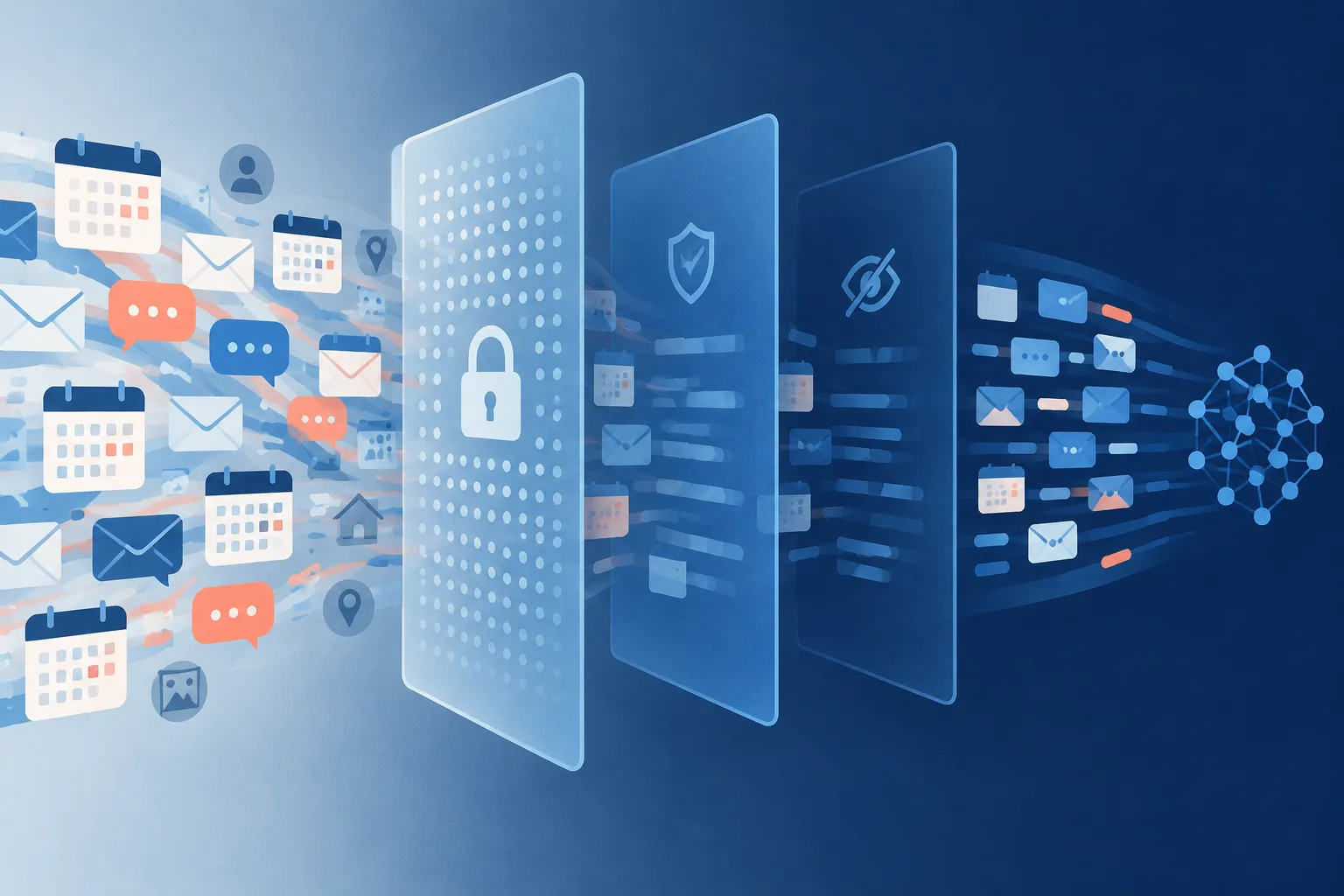
Those deals create a privacy problem that technical scrubbing may not fully solve. Suppliers say data scientists remove personally identifiable information and exclude human-resources records, while buyers say they conduct additional filtering. Yet private calendars and messages can reveal medical appointments, school pickup plans and personal relationships even when obvious identifiers are stripped. The Spirit flight attendants’ union objected to that company’s data sale on privacy grounds.
The question is not only what gets sold, but who receives the proceeds. MIT Technology Review reported that money from wind-down sales typically goes to senior creditors and investors rather than employees whose communications helped create the archive. Emory University law professor Ifeoma Ajunwa told the publication that employers should obtain express consent before selling workers’ data. She also said no federal law currently prohibits such sales.
For founders, the new market can recover value from a business that would otherwise leave little behind. But the report says sellers often have minimal visibility into the buyer or the planned use of their records, and they have limited assurance that an offer is fair. Prices may become more consistent as the market matures, but its deeper rules—how consent is obtained, how sensitive context is removed and how value is shared—remain unsettled. AI’s appetite for authentic work may be creating a durable data supply chain before governance has caught up.
Comments
Loading comments…