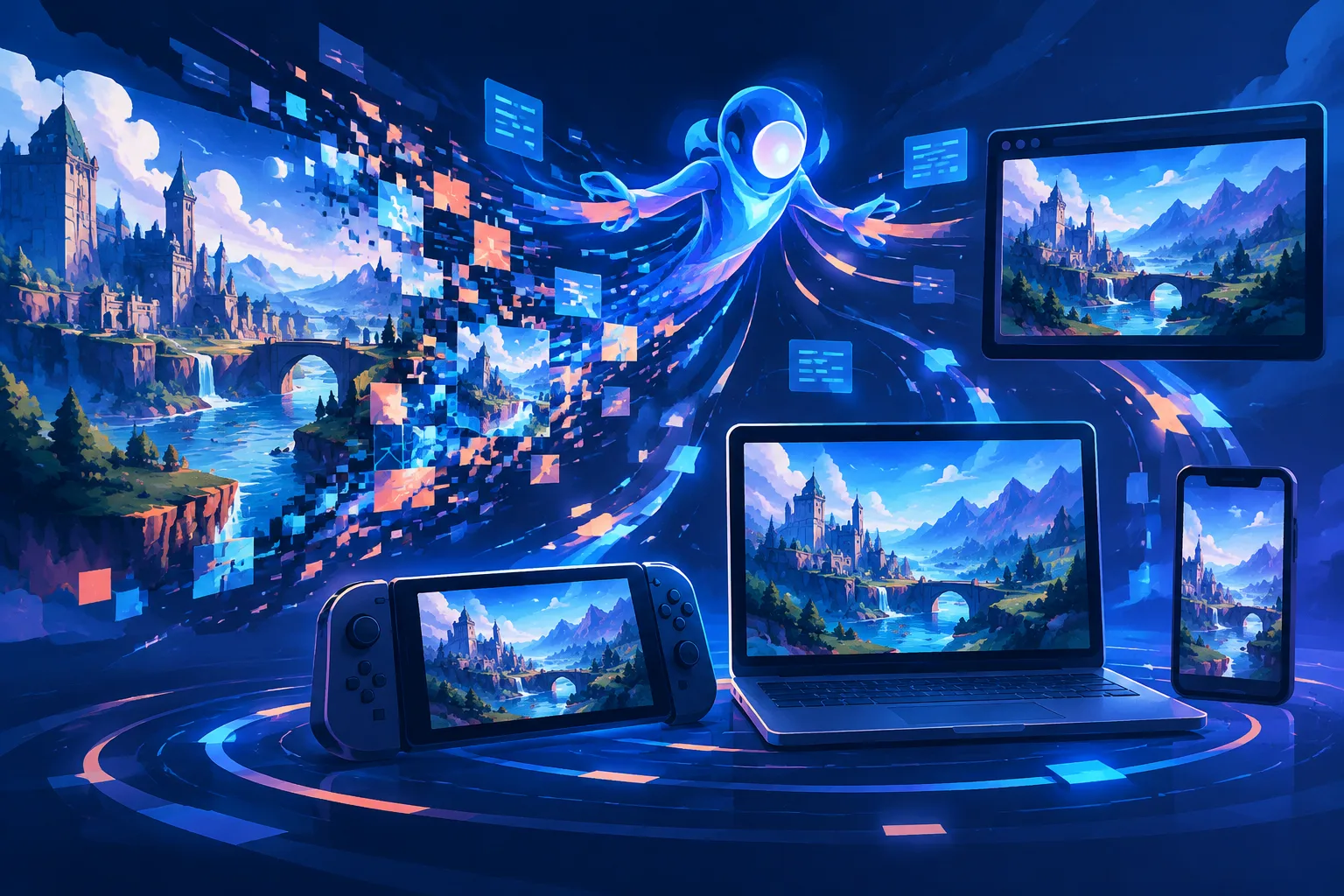
Microsoft is forming a new Xbox Labs group to explore a wave of AI-assisted game decompilation, recompilation, and remixing. The Verge reported on October 13 that the initiative will examine how games can be rebuilt for hardware they were never designed to support, as well as how code from different titles can be combined into new experiences.
Recent experiments have translated Windows PC games to run on Apple Silicon and moved games into web browsers through technologies including WebAssembly and WebGPU. Microsoft has also watched modders place skateboarding inside Call of Duty and make Halo playable in a browser. The report says many of these projects use AI models to help with the technical work.
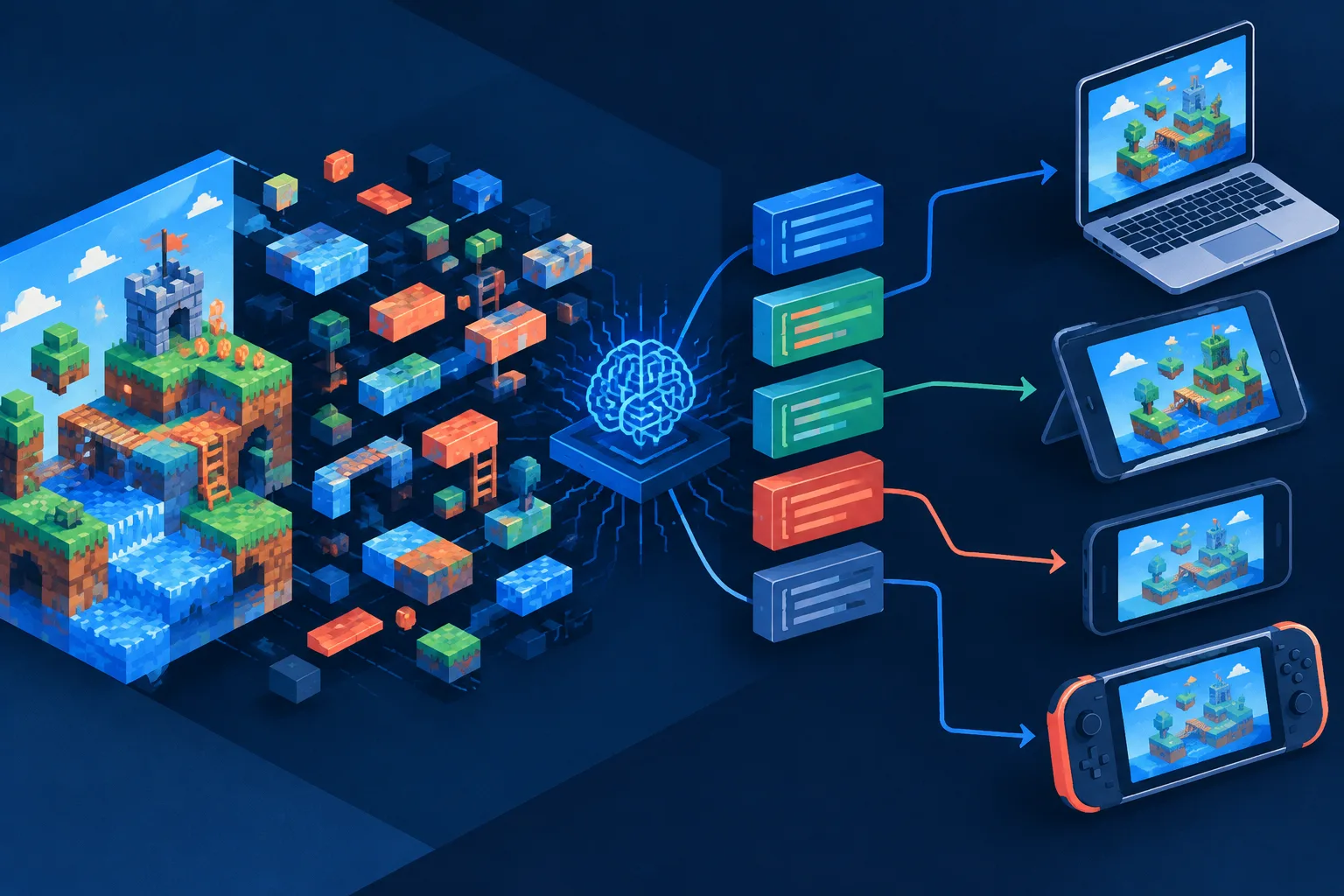
Xbox CEO Asha Sharma described Xbox Labs as a small team of game makers, engineers, and scientists charged with turning emerging ideas into experiences that players and developers can try. In a memo published by The Verge, Sharma said the group will develop openly, learn from how people use its work, and judge success by whether more people are playing and creating.
The initiative reflects a shift in what AI agents may do inside games. Coding became a major agent workload because software can be written, executed, and tested in a loop. Sharma argued that games share those properties, making them a natural environment for tools that can modify code, evaluate the result, and iterate.
Microsoft says Xbox players spend more than 72 billion hours a year playing games, roughly five times the company’s estimate of the time spent writing code worldwide. Sharma used that comparison to argue that gaming represents a large field for AI experimentation. The memo did not specify which models, tools, or products Xbox Labs will release, or provide a timetable.
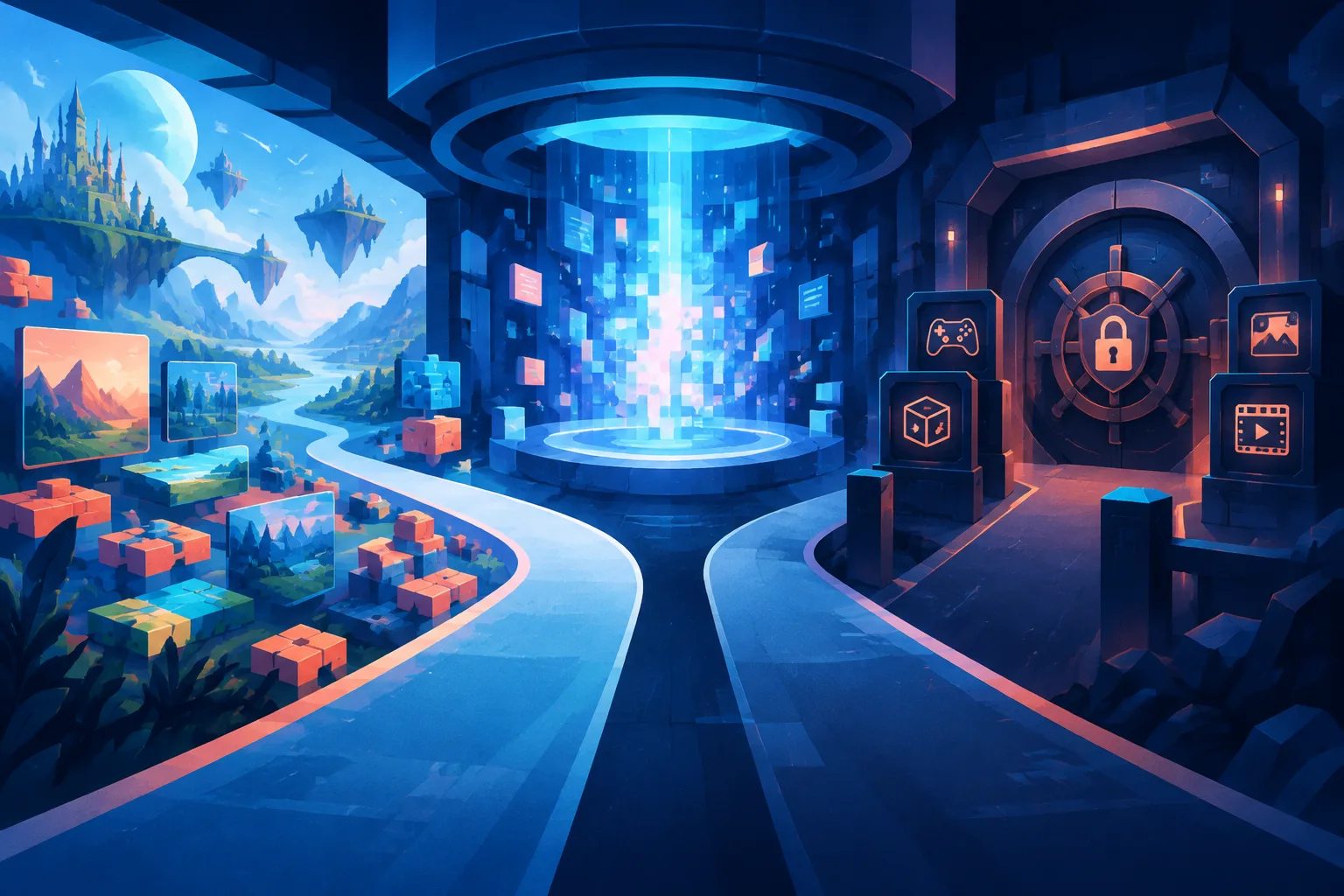
The opportunity is tied to portability and participation. Decompilation and recompilation can give older games new life, loosen the connection between software and its original hardware, and let players act as creators or co-creators. That resembles work Microsoft has performed for years through backward compatibility, but independent modders are moving without the commercial restrictions that govern an official platform.
That freedom creates an unresolved intellectual-property problem. Rebuilt or remixed games may use copyrighted code and assets in ways publishers have not authorized. Sharma said Xbox remains committed to responsible stewardship of intellectual property and its communities, but The Verge reported that Microsoft did not answer a request for comment about unauthorized use before publication.
Xbox Labs therefore begins as an exploration rather than a settled product strategy. Microsoft is signaling that AI-assisted game transformation may be too important to ignore, even when it challenges existing hardware assumptions and business models. Whether the company can turn that experimentation into broadly available tools will depend not only on technical progress, but also on how it draws the line between preservation, creativity, and unauthorized distribution.
Comments
Loading comments…