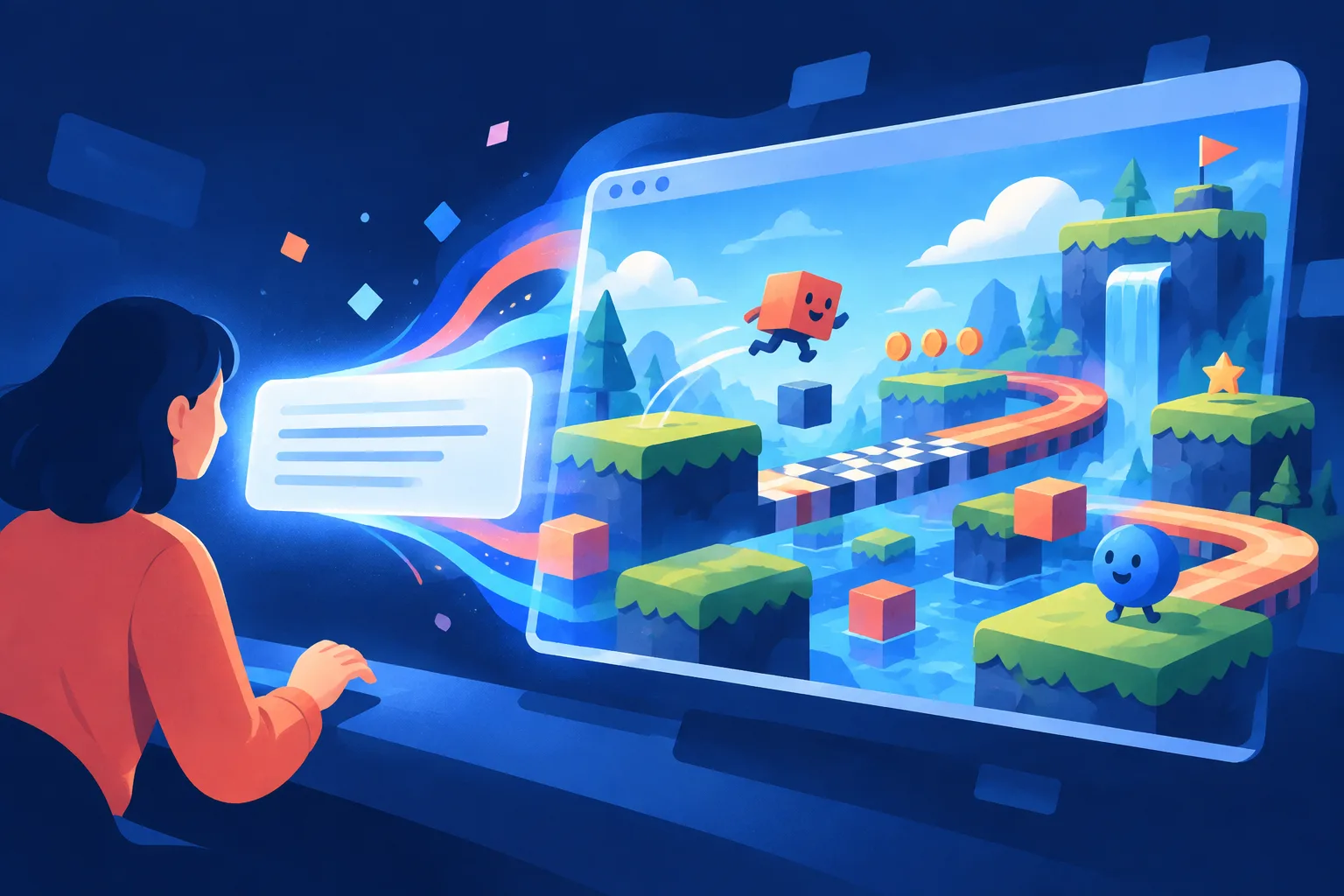
Google Labs has opened a new experiment that lets people describe a game in ordinary language and receive a playable browser-based result. TechCrunch’s Lauren Forristal reported on October 7 that the platform, called Playground, is designed for people who may not have conventional programming, design, or illustration skills. The launch turns a familiar generative-AI pattern—asking for an outcome in a chat-like interface—toward interactive entertainment rather than text or static images.
Playground gives creators several decisions before generation begins. They can choose a genre such as racing or trivia, start without a template, request a two-dimensional or three-dimensional game, and select a single-player or multiplayer format. A written description can then specify mechanics, gameplay, and visual direction. Users may also upload visuals for the system to adapt into assets that fit the game’s selected art style.
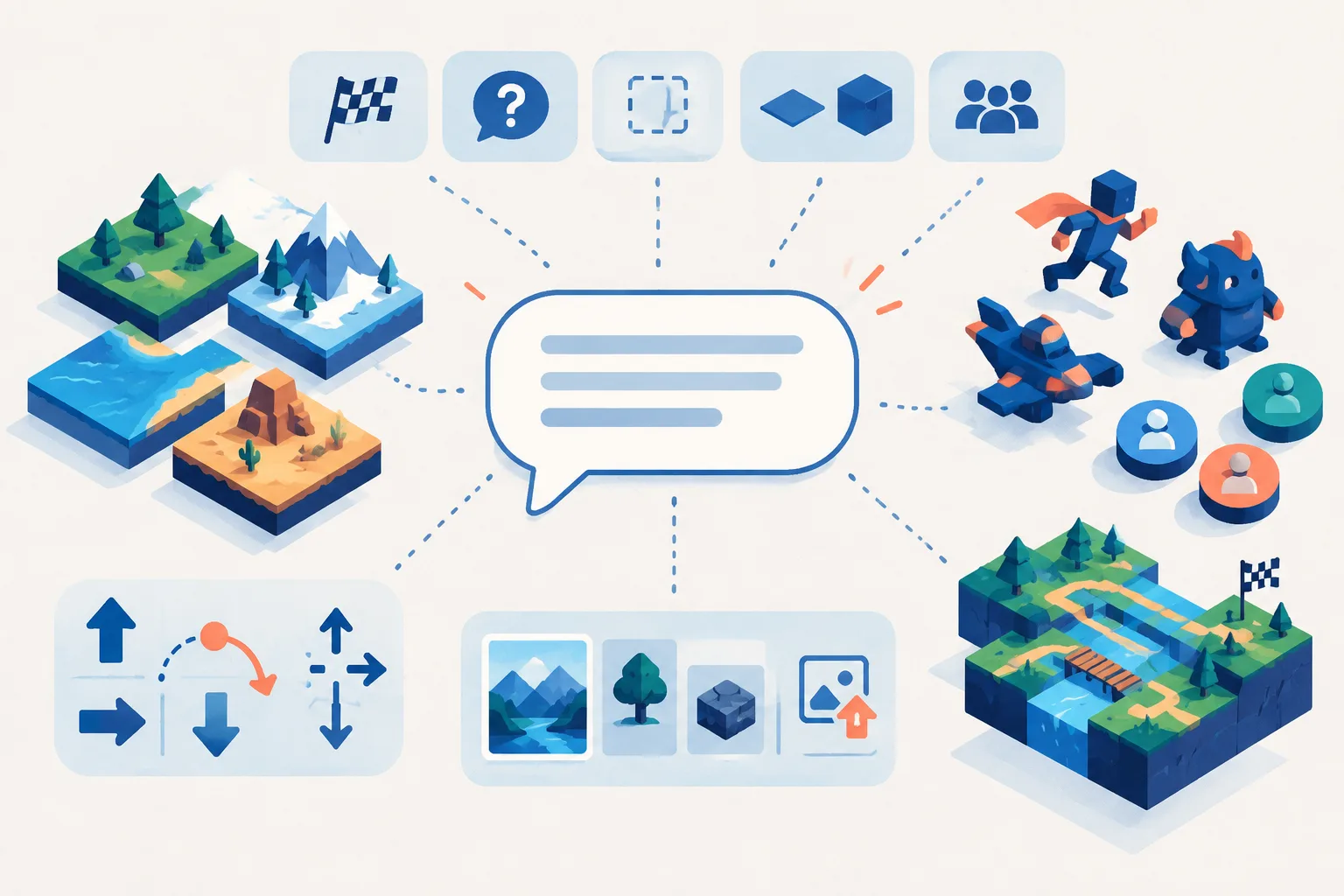
The approach compresses multiple early development tasks into one conversational workflow, but the report does not establish that it can reproduce the depth or polish of a traditionally developed commercial game. For now, Google is presenting Playground as an experiment that reduces the skills needed to turn an idea into something immediately testable. Its practical value will depend on how reliably the generated rules, controls, and visual elements match what creators ask for.
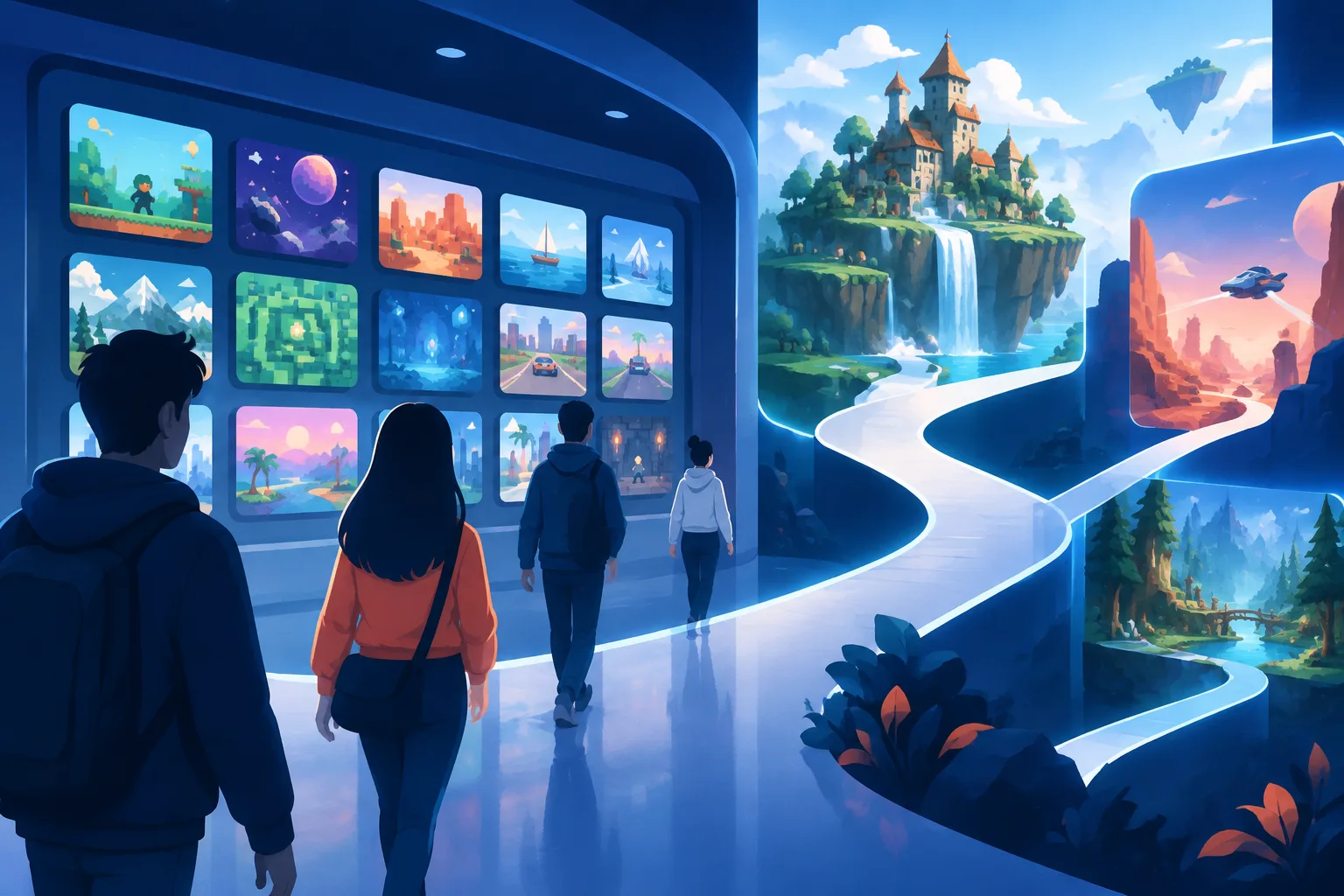
Finished projects can run on both computers and mobile devices. Creators may keep a game private, distribute it with a link, or publish it in an Explore gallery where other people can play it. Published titles can include features such as leaderboards, and publication is not the end of the editing process: creators can continue changing a project after releasing it.
Access begins with a deliberately narrow launch. According to TechCrunch, Playground is initially available in the United States to people age 18 or older, with additional countries planned. Browsing and playing catalog games is free. Generating games uses a weekly allotment of tokens, however, and the free tier has a limited allowance. Subscribers to Google One AI plans receive higher usage limits.
Google also plans to connect Playground with Unity Spark in a later update. That prospective integration is meant to extend the platform with additional three-dimensional capabilities and game mechanics described as closer to a professional level. Because the integration is planned rather than currently available, the initial product should be judged on the creation tools Google has released now, not on the broader capabilities Unity may add later.
Playground enters a field that is already becoming crowded. TechCrunch notes that Roblox introduced its own Build feature in July, allowing users to create games with natural-language instructions. Google’s experiment also follows its earlier, very different attempts to gain a foothold in gaming: the company shut down the Stadia cloud-gaming service in 2022, while YouTube Playables later provided a hub for instantly playable web games.
The bigger test is whether prompt-driven creation can support an active community rather than merely produce quick demonstrations. Playground combines creation, distribution, discovery, and post-publication editing in the same service, giving Google several ways to observe what people build and what others choose to play. Yet its geographic restriction, adult-only access, and token limits mean the first release is a controlled trial. The launch shows Google is again exploring gaming, this time by supplying creation infrastructure instead of operating a console-like service.
Comments
Loading comments…