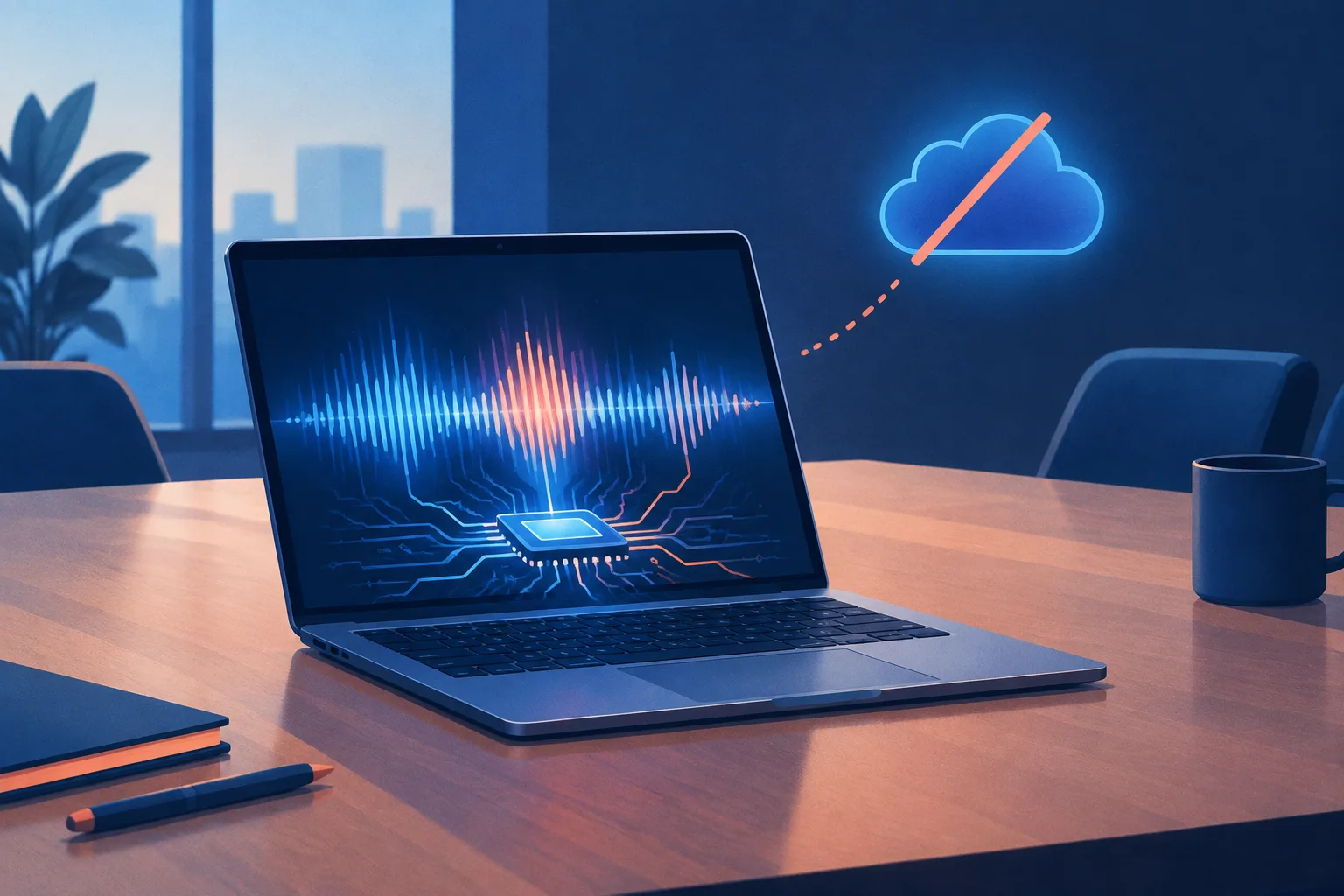
Google has released an experimental note-taking application that processes meeting audio locally instead of sending it to the cloud. The Verge reported on October 8 that Google AI Edge Foresight is free to use, runs on macOS and relies on Google's on-device EmbeddingGemma 2 model. The release offers a different privacy model for a task many AI meeting products perform on remote servers.
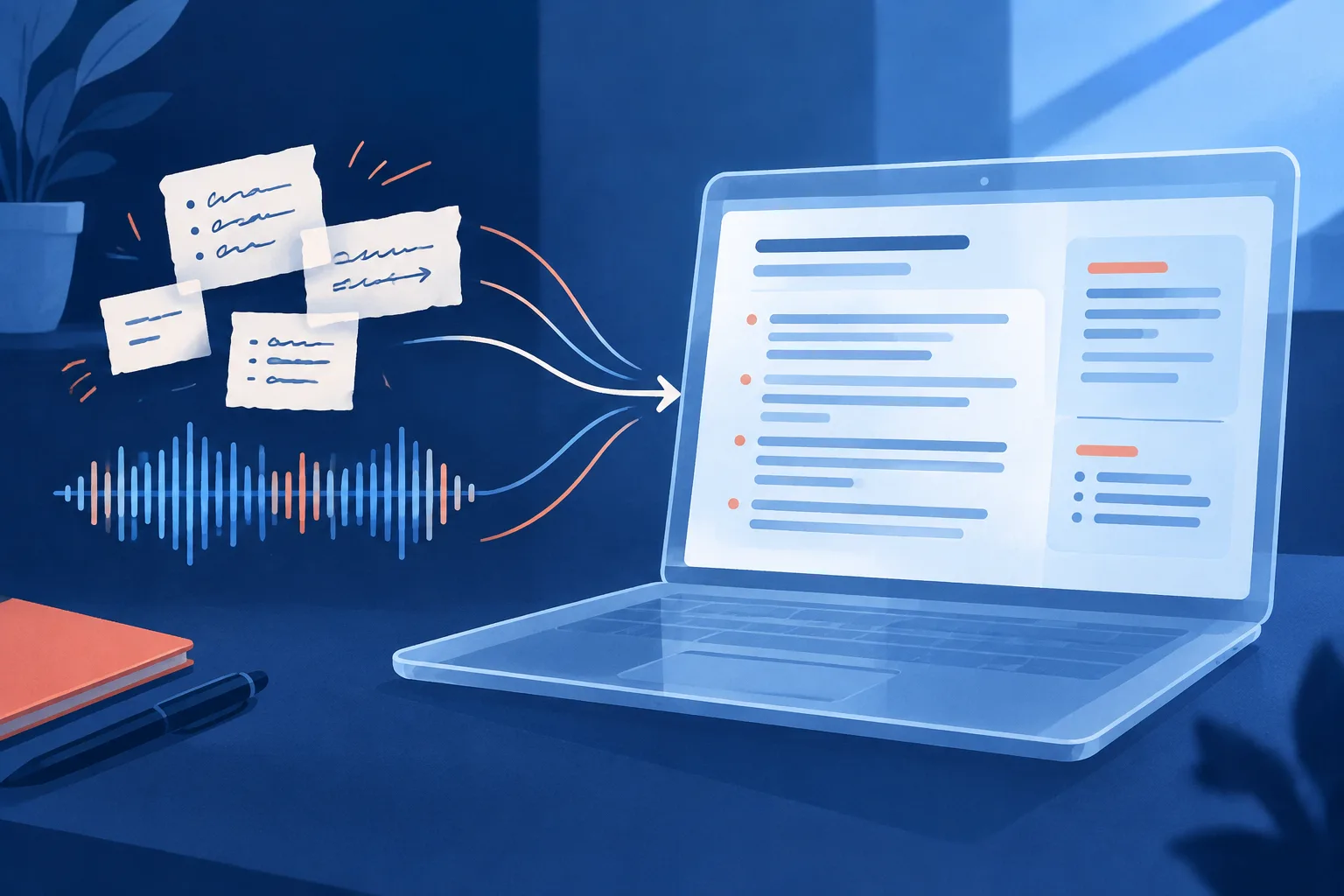
Foresight can transcribe meetings and audio files while operating entirely offline, according to The Verge. It also summarizes meetings and gives users a place to write their own notes. Google says a participant can enter shorthand bullet points during a conversation and have the app turn those fragments into polished notes by combining them with information from the transcript.
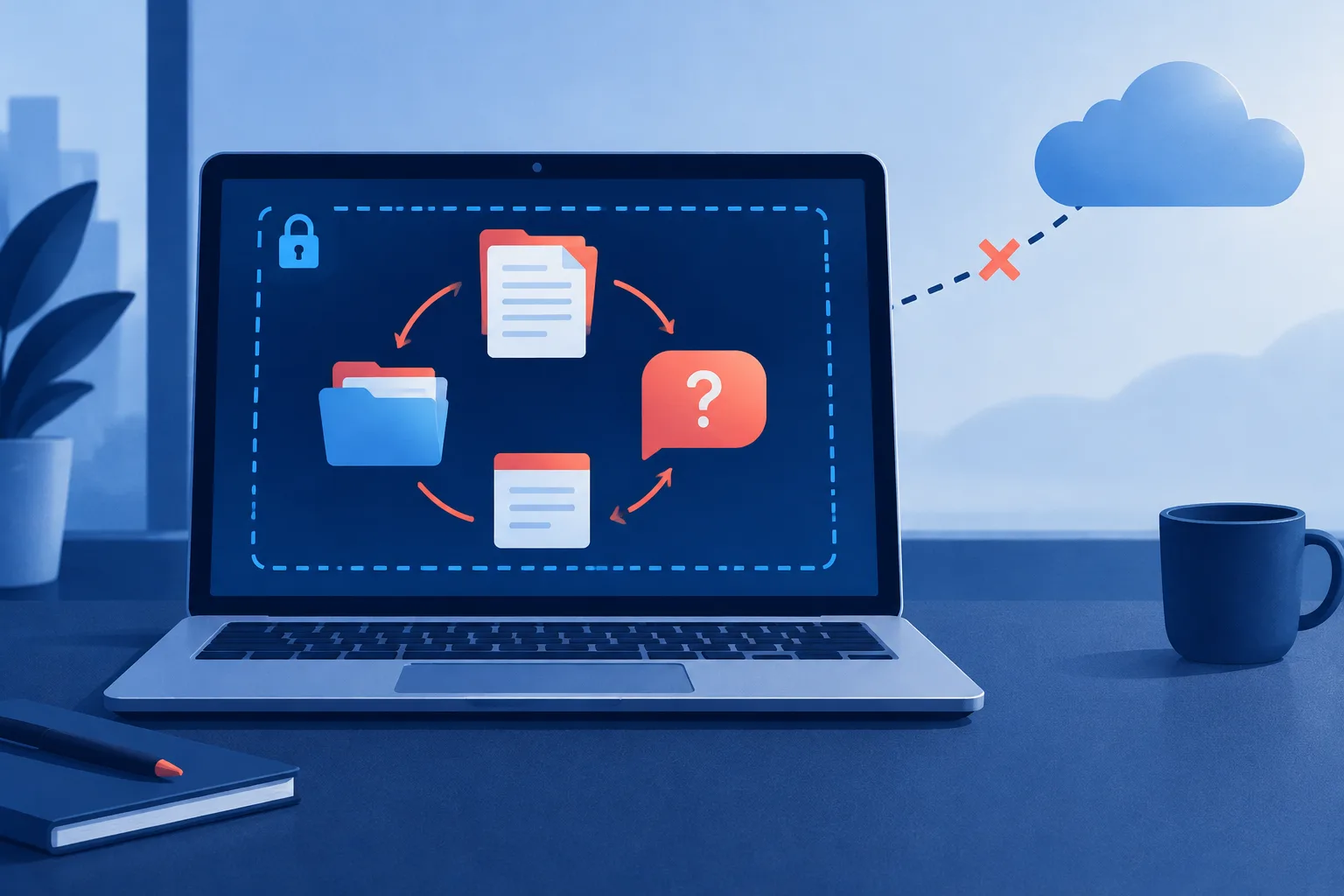
The app includes an assistant that can answer questions about what was said. Users may also connect files stored on the same computer so the assistant can consult them when forming an answer. Google says those files, meeting audio and notes never leave the user's computer. The report presents that as a company statement and does not describe an independent audit of the app's data handling.
Keeping the workflow on-device changes the usual tradeoff in AI transcription. Audio, notes and supporting documents can remain local, while the user's computer performs the model inference. The Verge says the current version is optimized only for Macs with Apple Silicon, so the initial release does not provide the same local experience across older Macs or other operating systems.
Foresight enters a growing field of AI note-taking products that includes Granola and Wispr Flow. Its distinguishing feature in The Verge's account is not simply transcription or summarization, but performing those functions without a cloud connection. The source does not provide comparative tests of accuracy, speed or battery use, so it is not yet possible to judge how the local system performs against cloud-based alternatives.
The experimental label also matters. The report does not specify a broader rollout schedule, support commitment or future platform availability. For now, Foresight demonstrates how an on-device model can handle a complete meeting workflow: capturing speech, refining personal notes, consulting local files and answering follow-up questions while keeping the underlying material on the Mac.
Comments
Loading comments…