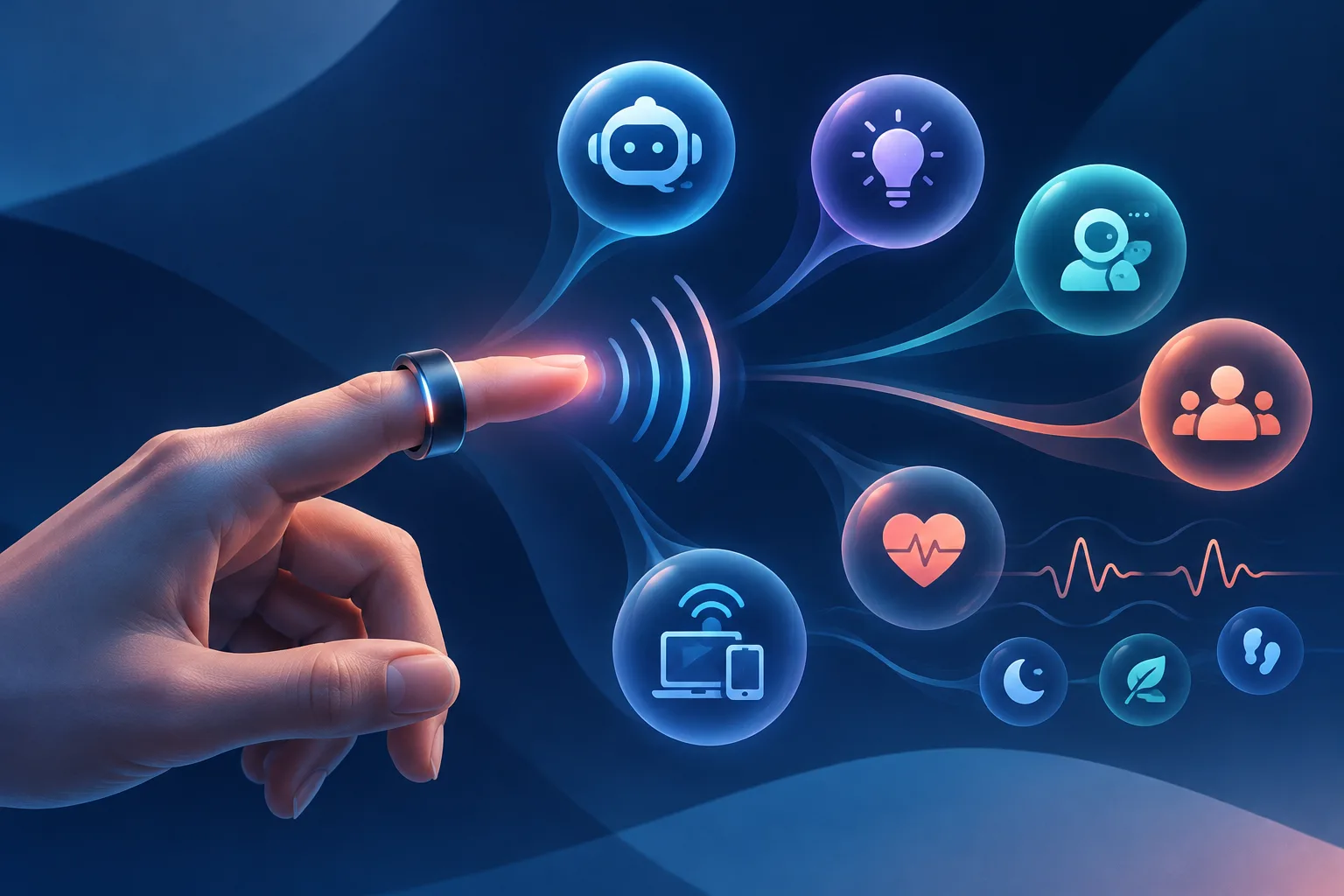
Natura is preparing a $99 smart ring that turns a finger press into a gateway for AI agents while also tracking health and activity. TechCrunch reported on October 8 that the device, called Interface, is designed to capture thoughts, accept spoken tasks and reduce the need to reach for a phone. Preorders are expected to open in November, with shipping planned for December or January, according to the report.
The product comes from Natura, an AI and hardware startup founded by Carlo Edoardo Ferraris, who previously founded the accessories company Rolling Square. Ferraris told TechCrunch that years of building consumer hardware led him to see a need for a more natural interface to rapidly advancing AI. The company’s stated aim is to let people ask technology for what they want in much the same way they would ask another person.
At launch, Natura says Interface will connect with agents and applications including Meta’s Muse, Instinct, Grokbot, Claude and ChatGPT. Users who rely on several services will be able to name which one should handle a particular request. TechCrunch gave examples such as choosing Claude for coding or Instinct for a reservation, rather than routing every task through a single assistant.

Natura presents the ring as an always-available input rather than a self-contained screen. Agent responses can appear through connected headphones, an iPhone Live Activity or the company’s NatureOS app. The report says a wearer could start workout tracking during a run, ask for the day’s schedule after waking, request a shampoo reorder from the shower, turn off a television and set an alarm, or record a meeting and send its notes to a coworker.
The ring also extends to device control, including computers. Ferraris expects AI agents eventually to handle many activities that now require screens, such as completing forms, messaging inside applications, locating files and drafting presentations. That is the founder’s forecast, not a demonstrated timetable: TechCrunch’s report describes the planned capabilities and examples but does not provide independent testing of a shipping unit.
Interface is not Natura’s first attempt at agent-focused hardware. The company previously released HumanPods, AI-enabled earbuds for interacting with assistants, before deciding that advances in voice technology called for a different form factor. Ferraris argued that a ring can remain with a user through activities such as sleeping or showering, making it better suited to continuous access than a device that is removed more often.
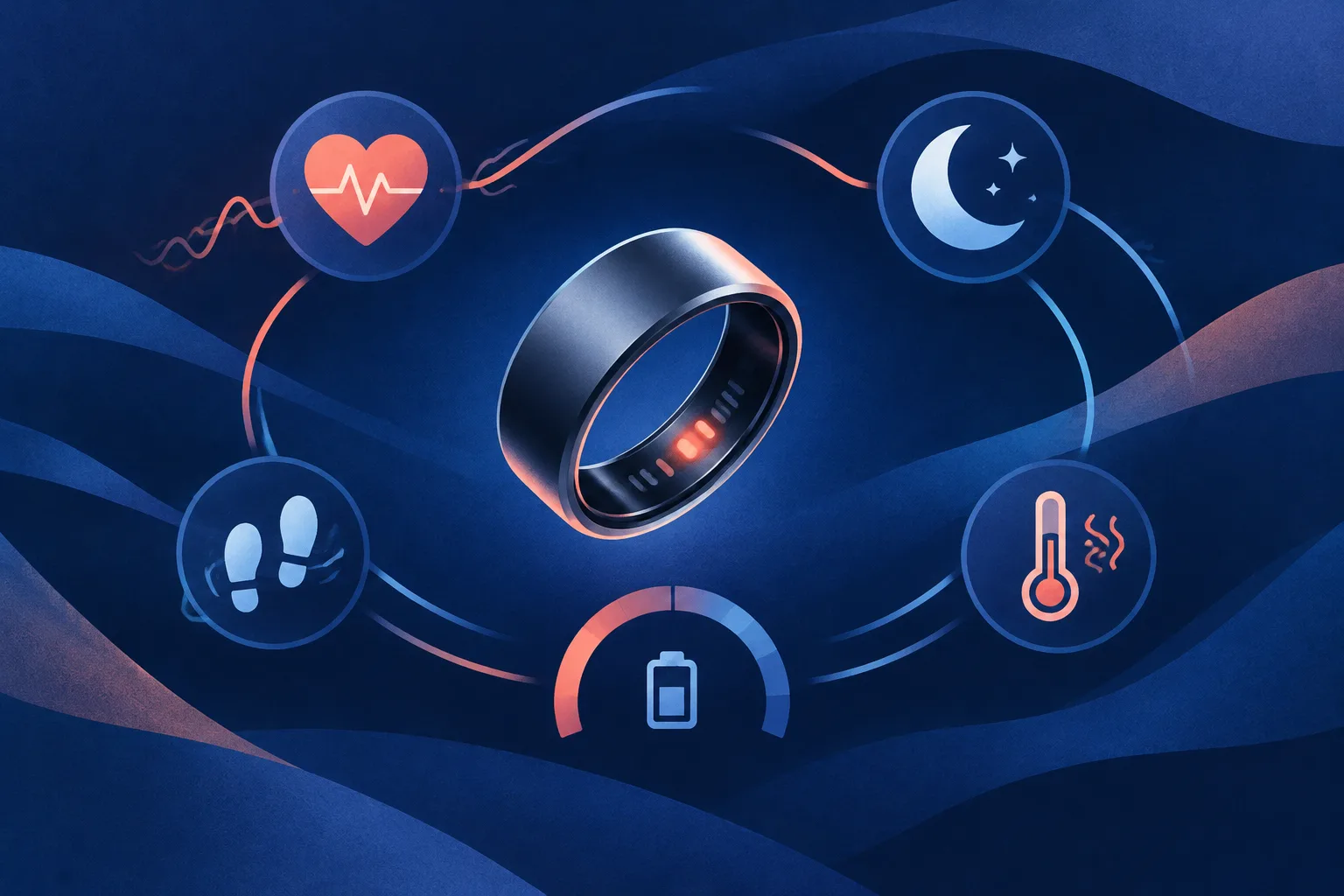
Natura is pairing that AI layer with the familiar functions of a health wearable. The company says Interface will monitor heart rate, resting heart rate, heart-rate variability, sleep stages, daily movement, step count and changes in skin temperature. It claims six to 12 days of battery life depending on use and a full recharge time of 100 minutes. Those figures are company claims reported by TechCrunch and have not been independently verified in the article.
The low initial price is part of the launch strategy. Although Natura says its manufacturing costs are comparable to those of rings from Oura and Samsung because the products share many components, it plans to keep Interface at $99 initially to lower the barrier to adoption. The company expects to raise the hardware price later and plans a $9 monthly subscription after an introductory free period lasting three to six months.
That structure makes Interface a test of two propositions at once: whether people want health tracking and agent access in the same small wearable, and whether voice-driven assistants can replace enough screen interactions to justify another subscription. The company is entering a market with health-focused rings from Oura, Ultrahuman and RingConn and AI-oriented products from Pebble and Vocci. Natura’s differentiator is the combination, but its practical value will depend on how reliably the ring routes requests, controls devices and records information once customers receive it.
Comments
Loading comments…