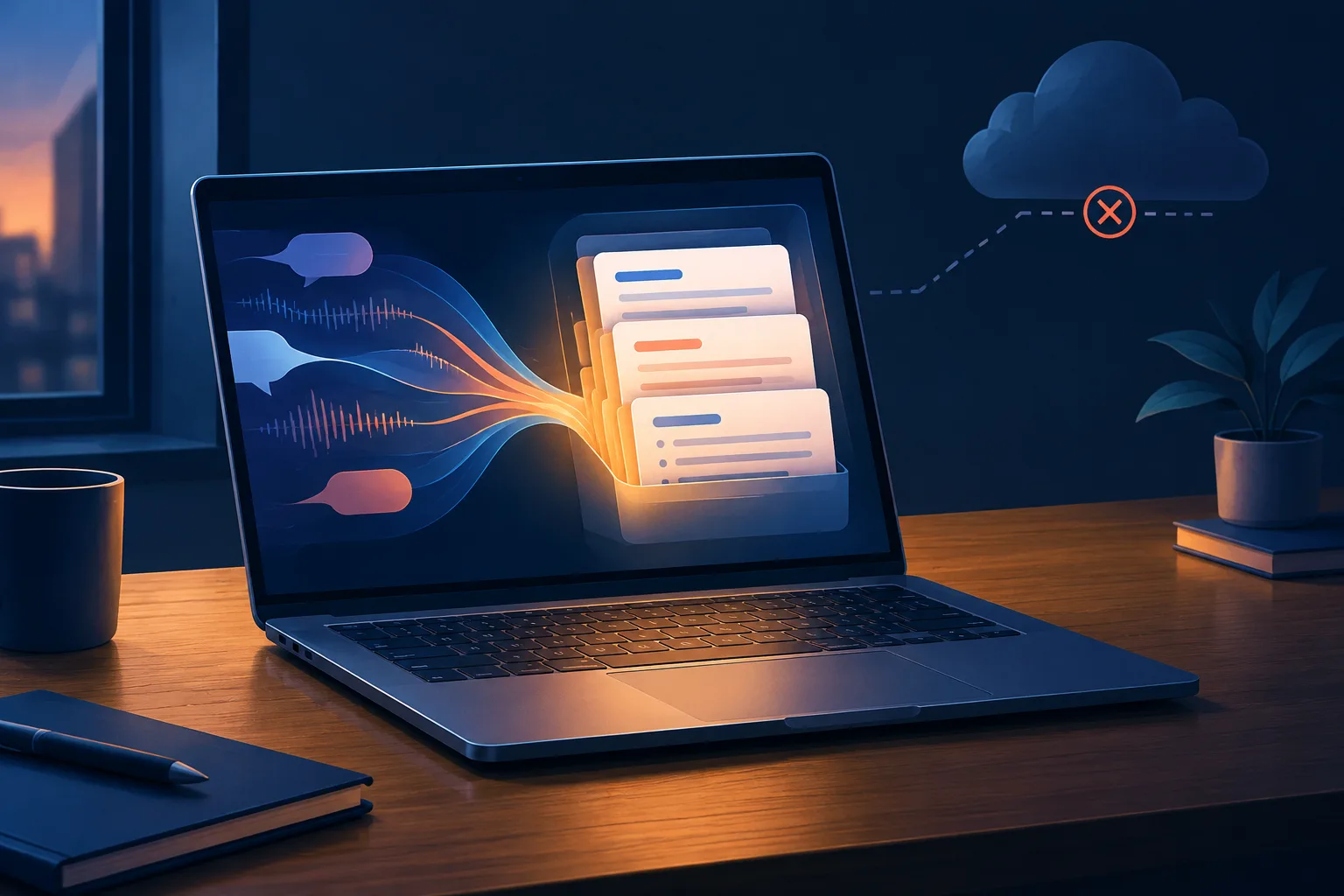
Google has released an experimental meeting assistant that keeps its core work on the user’s Mac rather than sending every conversation to the cloud. TechCrunch reported on October 8 that Google AI Edge Foresight can capture meetings across apps, including conversations held in person, while operating completely offline on Apple Silicon.
The release puts Google into an increasingly crowded market for AI meeting notes, but its local-first design gives it a distinct angle. According to TechCrunch, Foresight uses the 740-million-parameter EmbeddingGemma 2 model on the device to support meeting capture. That approach means the app can remain useful while a user is traveling or working somewhere without an internet connection.

Foresight follows a workflow similar to Granola, the meeting-notes product named in TechCrunch’s comparison. Its workspace places a user’s shorthand notes alongside material generated by AI. A person can continue writing manually while the application transcribes the conversation, then inspect the transcript instead of relying only on a condensed summary.
The app also includes a question-answering assistant powered by Gemma 4, TechCrunch reported. Users can query the assistant about what was discussed, turning a meeting record into material that can be searched and revisited rather than a static page of notes.
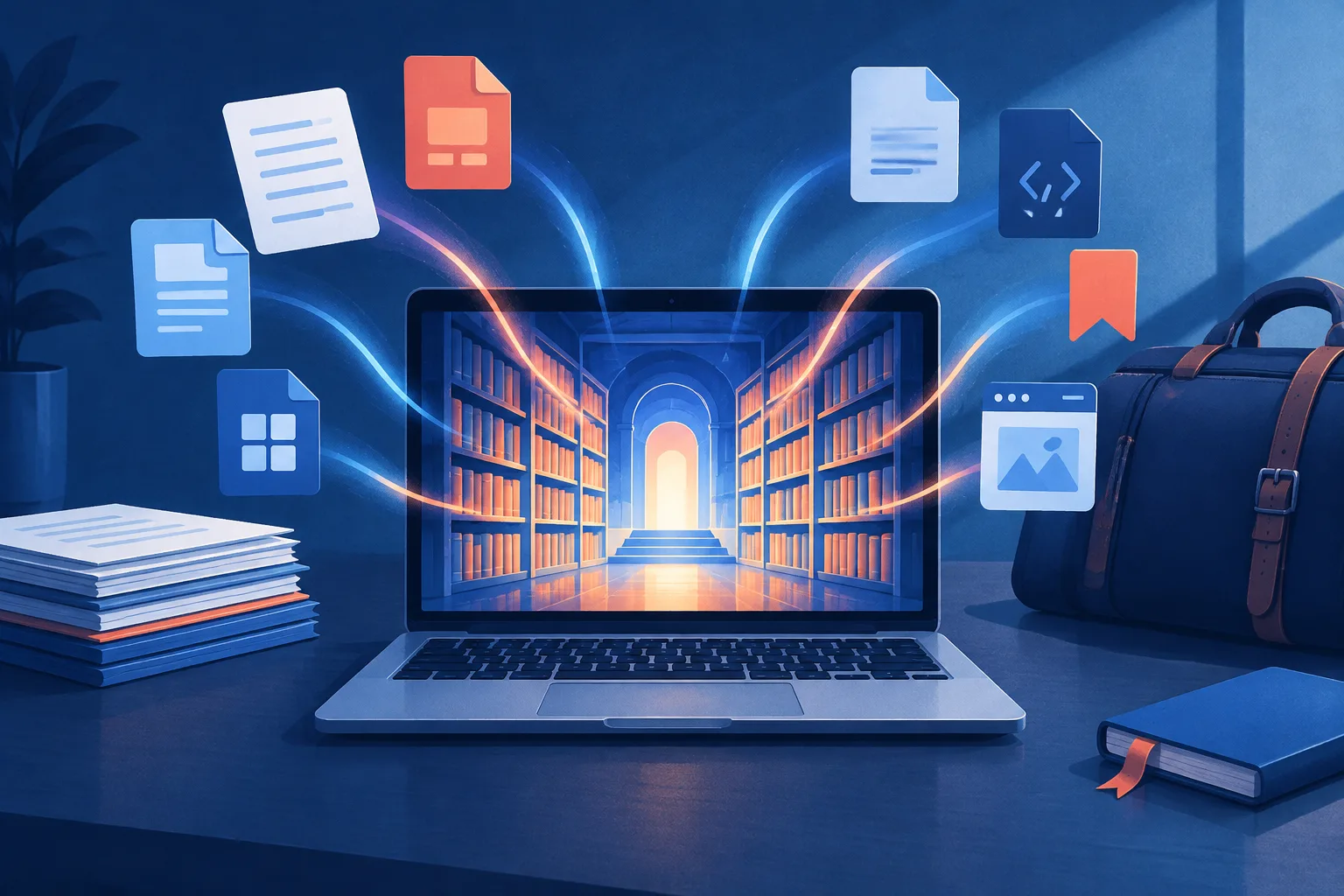
Foresight extends that retrieval layer beyond meetings. It accepts PDFs, Google Docs, Microsoft Office files, plain-text documents, Markdown and web bookmarks for a personal knowledge base. When a meeting touches on information held in those materials, the application can use both the uploaded documents and the meeting notes to answer questions in real time.
That combination could be especially useful in settings where connectivity is unreliable or where users prefer processing to remain on their own hardware. Google says the application is optimized for Apple Silicon and can work entirely offline, according to the report. TechCrunch did not describe a Windows version or provide evidence that Foresight is being positioned as a finished mass-market product.
The project comes from the same Google team that released an offline-first AI dictation application in April. TechCrunch characterized that earlier tool as experimental and said it did not reach mainstream use. The publication suggested Foresight may likewise serve as a demonstration of what Google’s offline Gemma models can do, although Google could eventually develop a broader consumer meeting assistant. That possible path remains speculative rather than an announced launch plan.
Competition is already intensifying. TechCrunch noted that Wispr and Calendly have released meeting note-takers in recent months, while Superhuman, formerly Grammarly, acquired the note-taking startup Fathom in September. Foresight therefore arrives less as proof that the category is new than as a test of whether private, offline operation can become a meaningful differentiator.
Comments
Loading comments…