
Epic Games is previewing a major refresh of its PC games launcher, and the company is presenting the project as both a product upgrade and an example of AI-assisted software development. The Verge reported on October 14 that Epic describes the new launcher as much faster and more responsive than the current version, with a redesigned look and support for Linux.
The company’s chosen label for the work is deliberately provocative: Epic says the launcher was “vibe coded.” In its own announcement, linked by The Verge, the company used that phrase to explain that AI tools played a role in creating the new version. The framing turns a familiar piece of distribution software into a public demonstration of Epic’s wider effort to change how its teams build products.
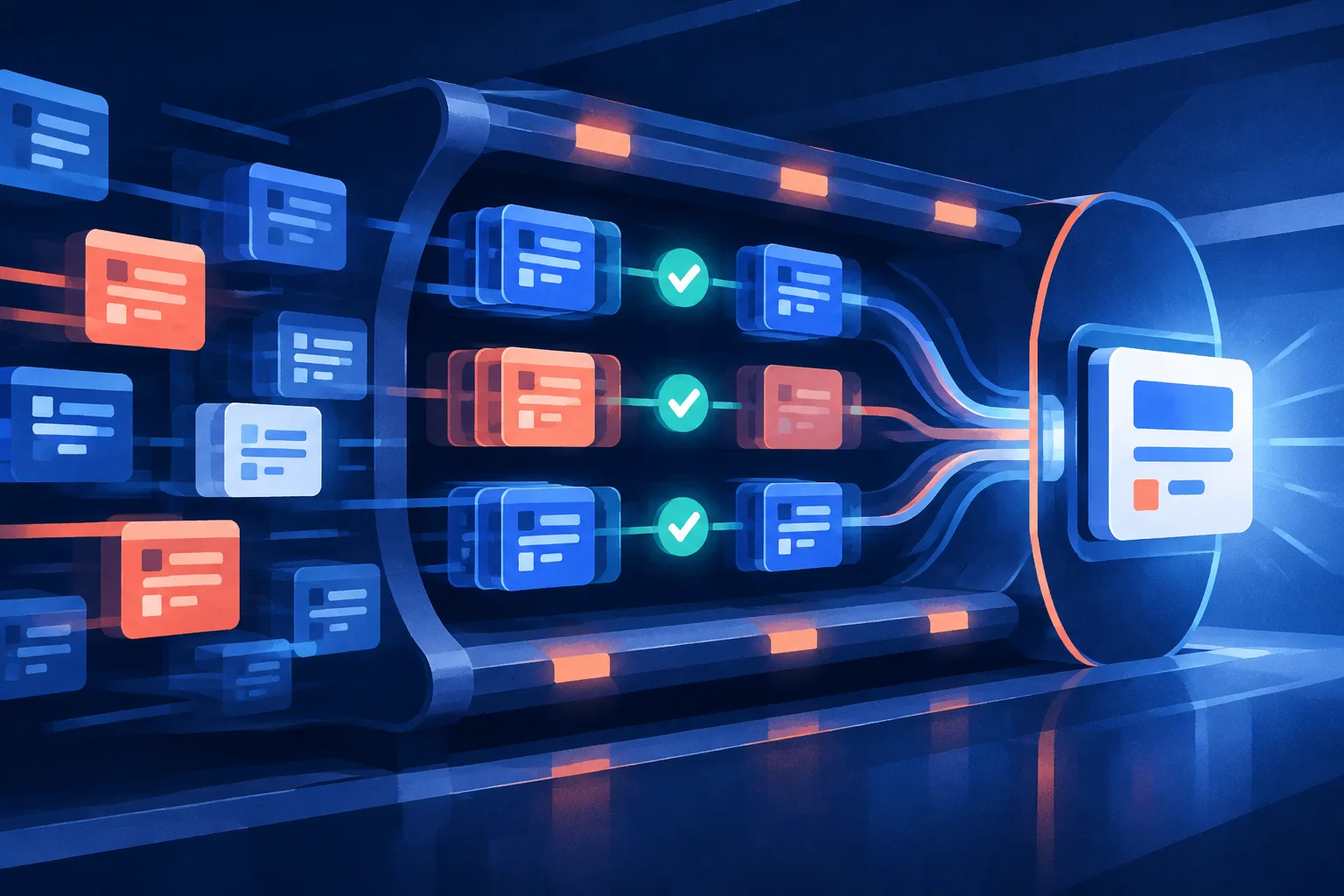
Martin Keely, Epic’s vice president and general manager for the Epic Games Store and Epic Online Services, told The Verge that AI was used as a tool during the launcher project. According to Keely, it was particularly useful in testing and in reproducing the core functionality of the existing launcher. He also linked the development approach to Epic’s ability to offer the refreshed launcher on Linux.
That Linux support is one of the clearest product outcomes identified in the report. Epic did not merely describe an internal experiment; it connected its use of AI tools to a version of the launcher intended for an additional operating system. The report does not detail which models or coding systems were used, how much of the code they produced, or how human developers reviewed the output, so the scale and mechanics of the AI contribution remain unclear.
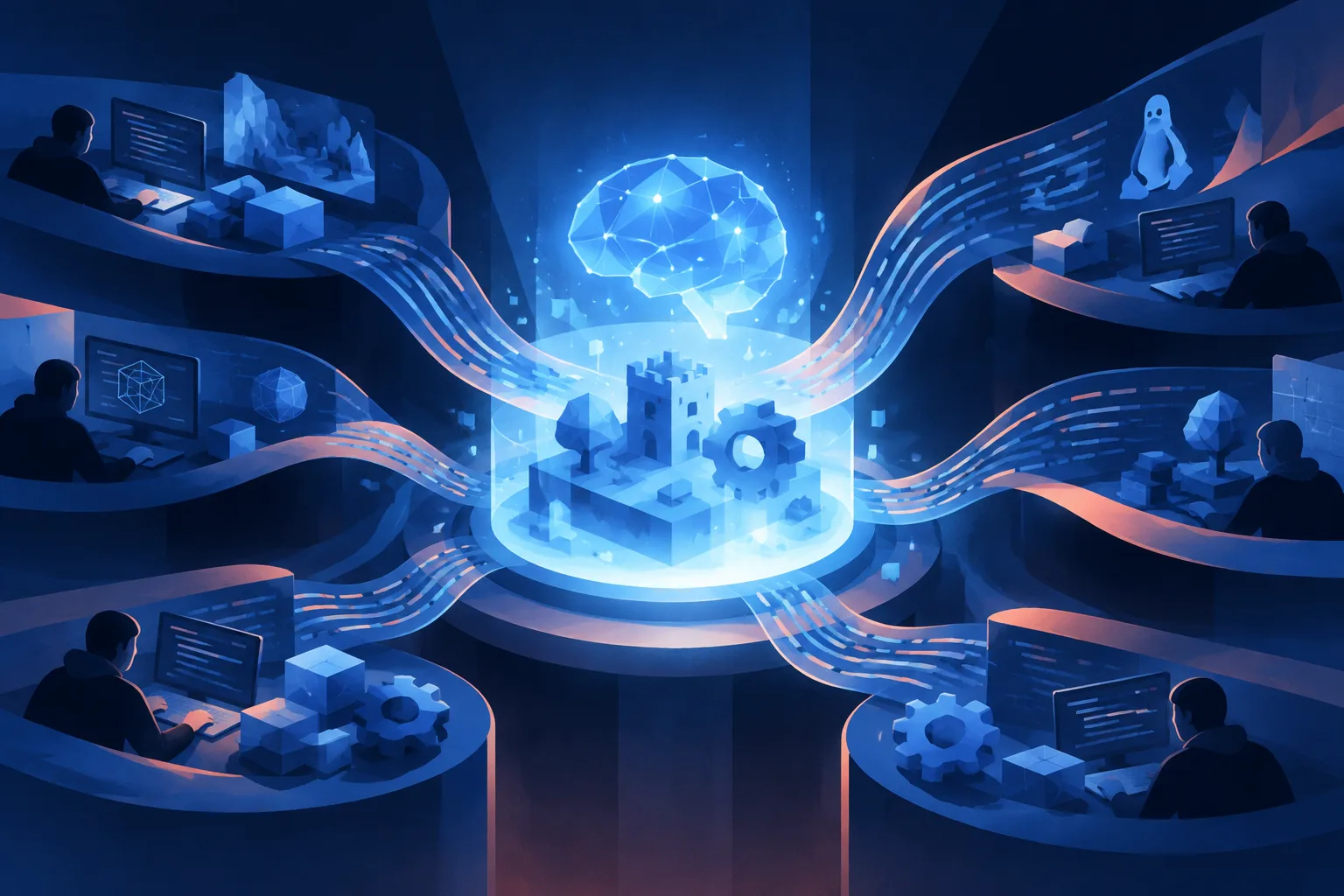
The launcher preview arrives as Epic makes its broader direction explicit. The Verge cited an announcement from CEO Tim Sweeney on Monday saying the company had begun a large pivot and was moving developers around to maximize AI acceleration. Sweeney said the objective was not to do the same work with fewer people, but to let teams build more and better products and to extend the benefits across teams that use Unreal.
The move also follows reporting about an unannounced Epic project involving Disney. The Verge noted a Bloomberg report that an Epic director working on that title told employees there would be no more hand-written code. Taken together, the launcher and the Disney project indicate that AI-assisted development is not confined to one isolated prototype inside Epic, though the available reporting does not establish how consistently the policy is being applied across the company.
For now, the launcher is the most concrete public artifact in this shift: a preview product that Epic says is faster, more responsive, newly styled, and available on Linux, with AI tools used in testing and reconstruction of existing functions. Those are Epic’s claims, and the report does not provide independent performance measurements or a technical audit. The larger significance will depend on whether the preview’s promised improvements hold up in use and whether Epic eventually explains the human review, tooling, and quality controls behind its “vibe coded” label.
Comments
Loading comments…