
An OpenAI engineer allegedly consulted chatbots and an internal AI tool while planning to place a listening device in an executive conference room, according to a federal criminal complaint described by WIRED on October 13. The allegations have not been proven in court, and the filing does not establish that an AI system initiated or directed the alleged conduct.
Federal prosecutors identified the employee as Abdulrahman Alfozan, a 35-year-old Saudi Arabian national and U.S. permanent resident. WIRED reported that he appeared in federal court in San Francisco on one charge involving the use of a device to intercept oral communications. The charge carries a maximum penalty of five years if he is convicted.
The complaint alleges that a small audio-recording device was concealed in toilet paper and connected behind a television monitor in a conference room reserved for executives and their assistants. The room was used for leadership meetings, technical and product discussions, and briefings with business partners and government officials, according to the filing. OpenAI discovered the device during a counter-surveillance sweep on September 30.
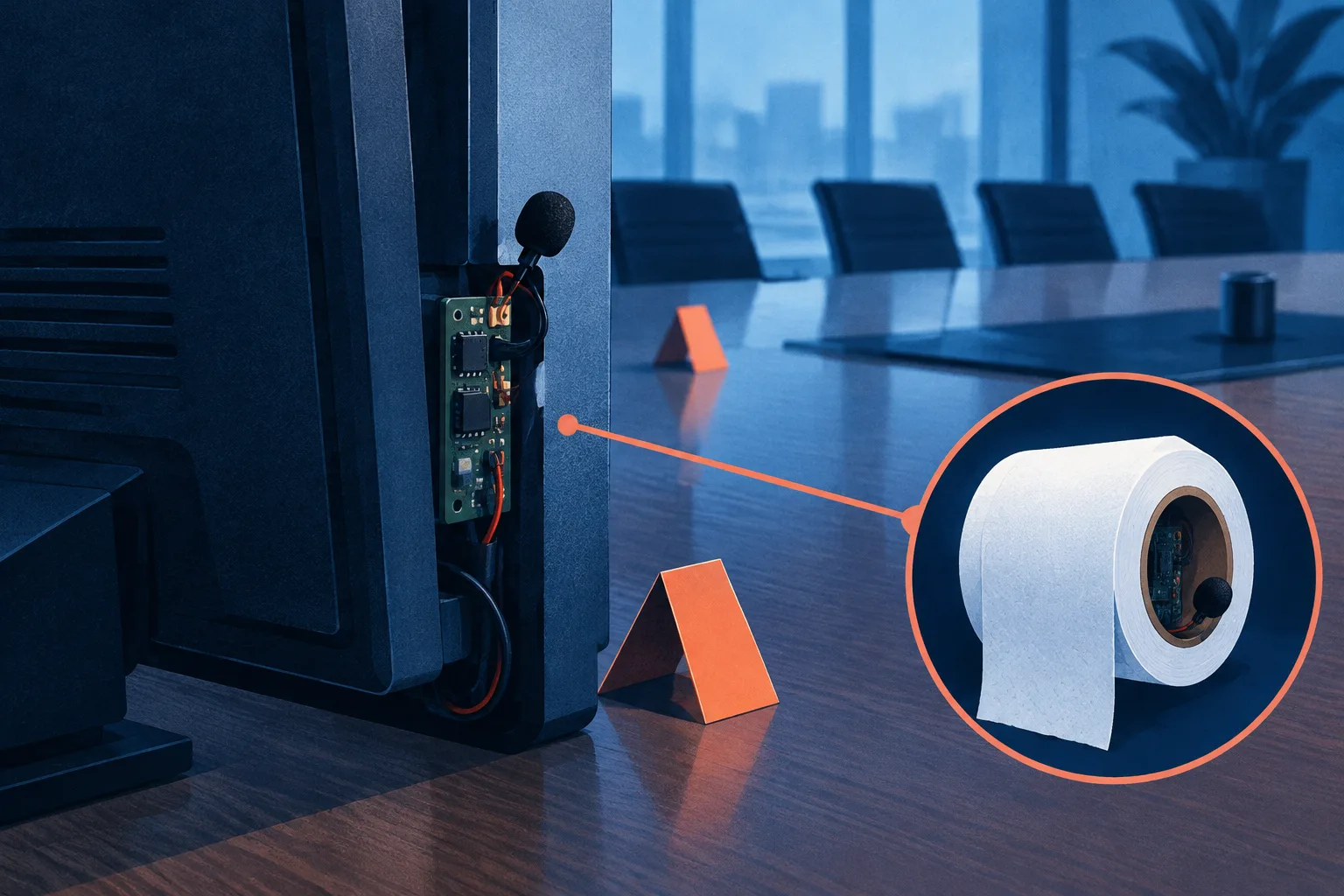
Prosecutors allege that Alfozan spent weeks asking an unspecified productivity agent and an AI chatbot questions related to the planned surveillance. He also allegedly used an internal OpenAI tool to check meetings scheduled in the targeted room and used a chatbot account associated with his spouse for technical questions about creating a covert recorder.
OpenAI’s security team reportedly found a second encrypted recording device in a bag associated with Alfozan. WIRED said the company connected him to the equipment after reviewing chat logs and surveillance footage and examining the bag. Investigators were unable to review data from the first device because its memory card was encrypted, according to the report.
OpenAI said it notified the FBI and gradually restricted Alfozan’s access while the investigation continued. The company stated that it had found no indication he improperly accessed or removed model weights, source code or customer data. WIRED reported that Alfozan joined OpenAI in July 2025 and was dismissed on the day of his arrest; it was unable to reach him for comment.

FBI director Kash Patel alleged that the objective was to capture sensitive conversations about OpenAI’s advanced technology. However, WIRED noted that neither prosecutors nor OpenAI had publicly explained a motive. That distinction matters: the complaint describes an alleged surveillance operation, while broader conclusions about intent remain unestablished.
The case also illustrates a double edge of workplace AI systems. Prosecutors say the tools were used to gather logistical and technical information, yet chat histories also became part of the evidence cited by investigators. That observation does not show that AI caused the alleged offense; it shows how assistants can become both instruments and records when employees use them for consequential activity.
The next stage will depend on evidence tested in court, including whether prosecutors can prove who controlled the devices and what they were intended to capture. Until then, the complaint and the statements surrounding it are allegations, not a conviction or a final account of what happened.
Comments
Loading comments…