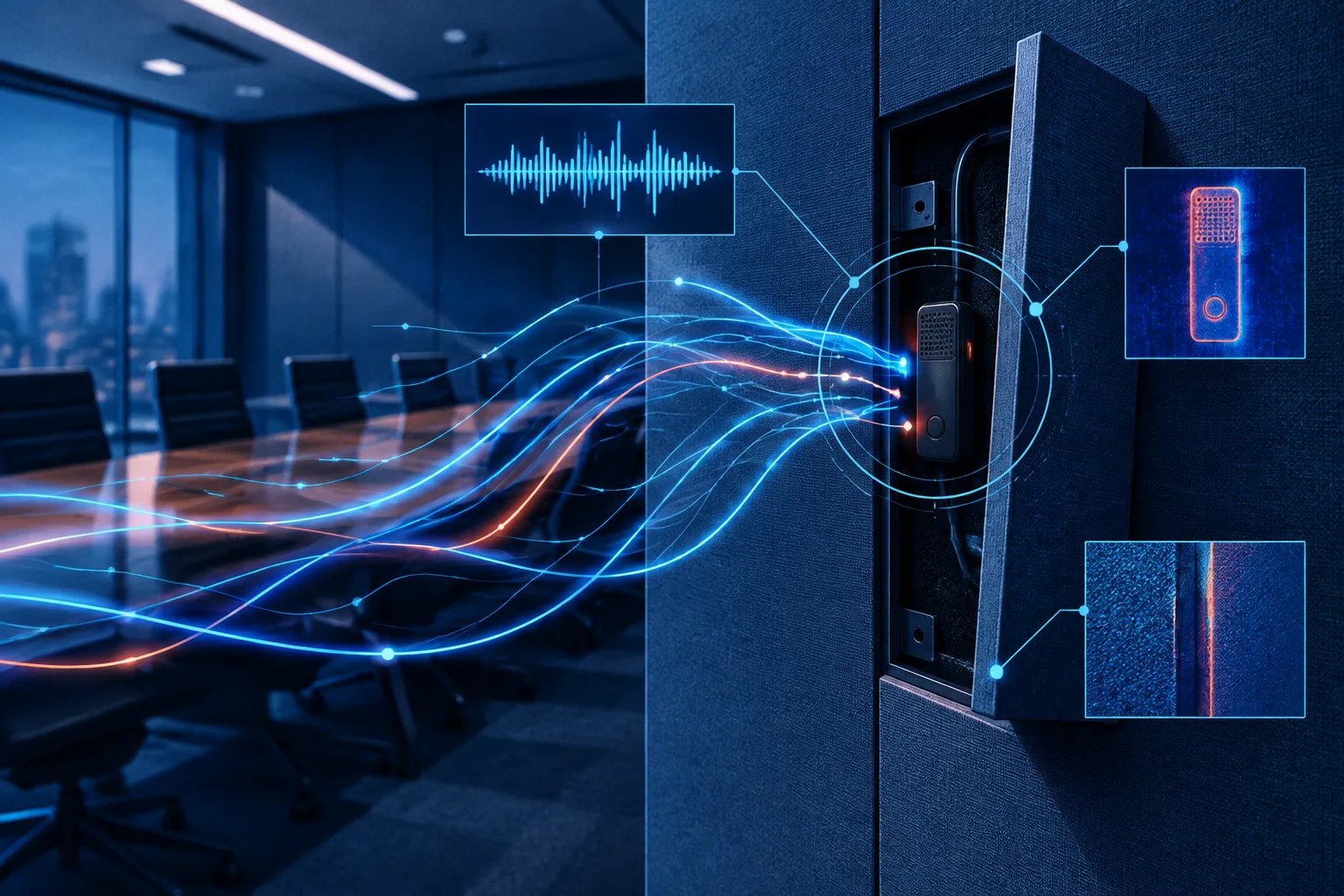
OpenAI says it used its own artificial-intelligence models to help investigate a concealed recording device found inside its San Francisco headquarters, an unusual deployment of the company’s technology in an alleged insider-surveillance case. Engadget reported on October 13 that federal prosecutors arrested and charged OpenAI engineer Abdulrahman Alfozan, accusing him of trying to capture private conversations among employees.
Alfozan, a 35-year-old Saudi national, had worked at OpenAI since July 2025, according to Engadget’s account of reporting by the San Francisco Standard. Prosecutors allege that he placed a homemade recording device in an executive conference room he was not authorized to enter or use. The allegations have not been proven in court.

OpenAI discovered the device on September 30, plugged into a USB port behind a television, Engadget reported. Prosecutors say toilet paper was used to conceal it. The complaint described meetings in the room as involving confidential material that included product-roadmap information, research, and the company’s engagement with government.
The reported investigation extended beyond the physical device. Prosecutors allege that Alfozan used a workplace productivity tool to gather information about OpenAI facilities. They also say he may have used a chatbot to seek instructions for building, installing, and hiding a remotely accessible recorder. An account linked to his spouse allegedly contained prompts about creating a continuous audio recorder and encrypting an SD card.
OpenAI said it turned to its own models to understand the device and determine where it came from, eventually identifying an employee who allegedly installed it several days earlier. The company did not publicly explain which models it used, what evidence they analyzed, or how their output contributed to the identification, according to Engadget.

The company referred the case to the FBI and terminated the employee. OpenAI also said it had no indication that the person improperly accessed or removed model weights, source code, or customer data. That statement narrows what OpenAI says it has observed so far, but Engadget noted that the company did not immediately answer a request for additional information.
Prosecutors place the device’s installation around September 28. On October 5, Alfozan allegedly left a bag elsewhere in the office; security personnel found his wallet, identification, and a second recording device inside, Engadget reported. He made his first court appearance on Tuesday. If convicted, he could face up to five years in federal prison, a $250,000 fine, and three years of supervised release.
The case puts two distinct security questions in view. One concerns the alleged placement of recording equipment in a room used for sensitive discussions. The other concerns OpenAI’s claim that AI models helped trace the device and suspect. The public account does not yet show how that model-assisted process worked or how independently its conclusions were verified, leaving the technology’s precise investigative role uncertain as the criminal case proceeds.
Comments
Loading comments…