
An OpenAI engineer has been arrested after the company reported finding a concealed recording device inside one of its offices. The Verge reported on October 13 that the employee, 35-year-old Abdulrahman Alfozan, is charged with using or attempting to use a device to intercept oral communications. The allegation has not been proven, and the FBI investigation remains open.
The device was plugged into a television’s USB port inside an executive conference room, according to The San Francisco Standard, as cited by The Verge. It was reportedly covered with toilet paper and installed on or around September 28. OpenAI described the hardware as a sophisticated recording device, but the report did not detail what, if anything, it captured.

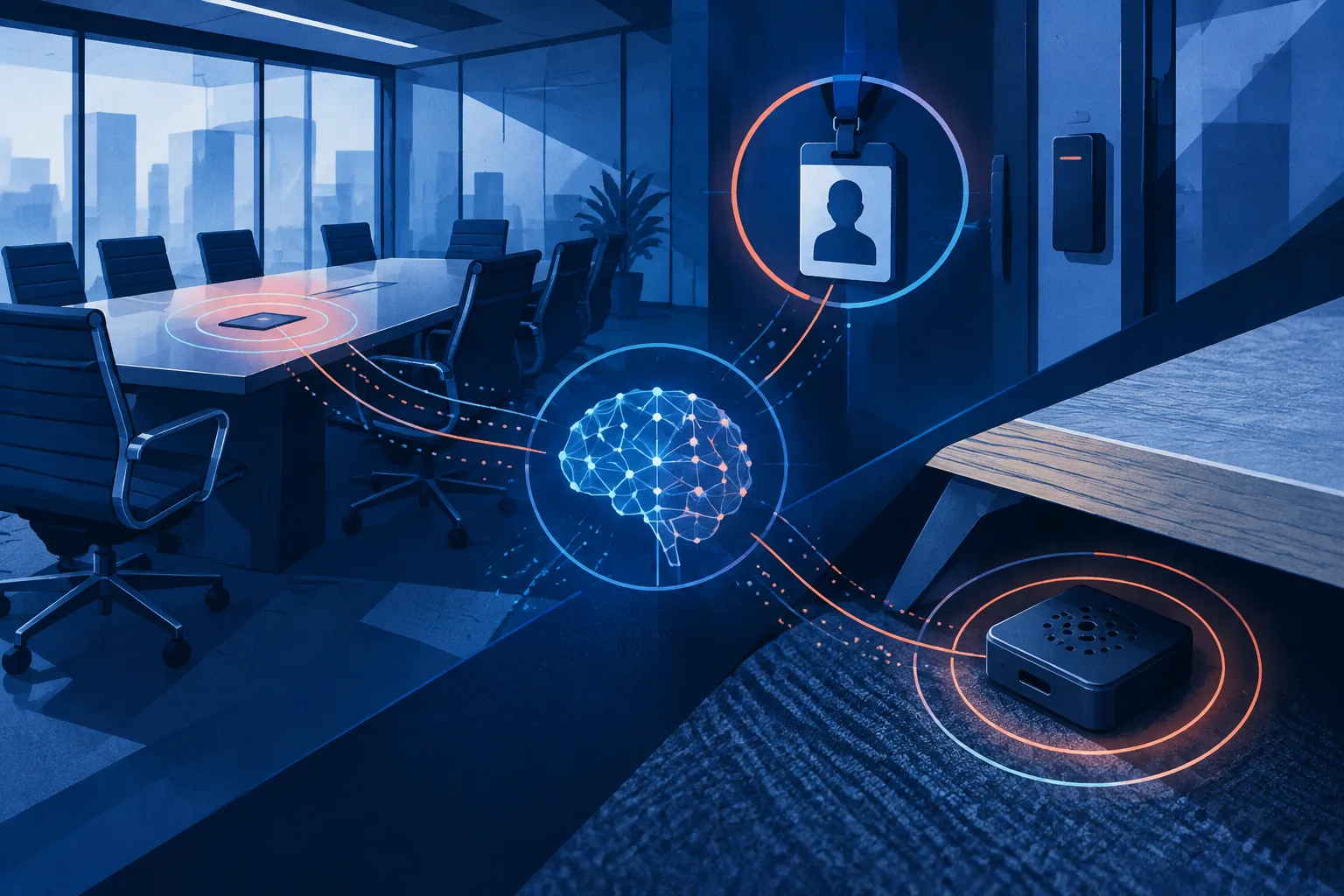
OpenAI said its own AI models played a role in the internal investigation. According to a company statement quoted by The Verge, the models were used to understand the device, determine where it came from, and identify a particular employee as the person who had allegedly planted it several days earlier. The company did not disclose which models were used or explain the analytical steps that produced that conclusion.
The company terminated the employee and referred the matter to the FBI. The San Francisco Standard reported that he was arrested on Friday, remained in custody, and made his first federal court appearance on Tuesday. OpenAI said it is continuing to support the investigation.
OpenAI also said it has found no indication that the employee improperly accessed or removed model weights, source code, or customer data. That statement limits the known scope of the incident, but it does not resolve what conversations may have been targeted or whether the device successfully recorded anything. Those questions were not answered in The Verge’s report.
The incident presents an unusual example of AI being used in a physical security investigation rather than as the asset under threat. OpenAI characterized the case as evidence that AI can help address sophisticated security risks. The available reporting, however, does not independently establish how decisive the models were compared with conventional forensic work, office-access records, or other evidence.
For AI companies, the case also highlights that security extends beyond protecting code and computing infrastructure. Executive conversations, research planning, and other spoken information can create insider-risk exposure even when digital systems show no sign of data theft. In this case, the public facts remain limited to OpenAI’s account, the reported location and appearance of the device, the federal charge, and an investigation that is still underway.
Comments
Loading comments…