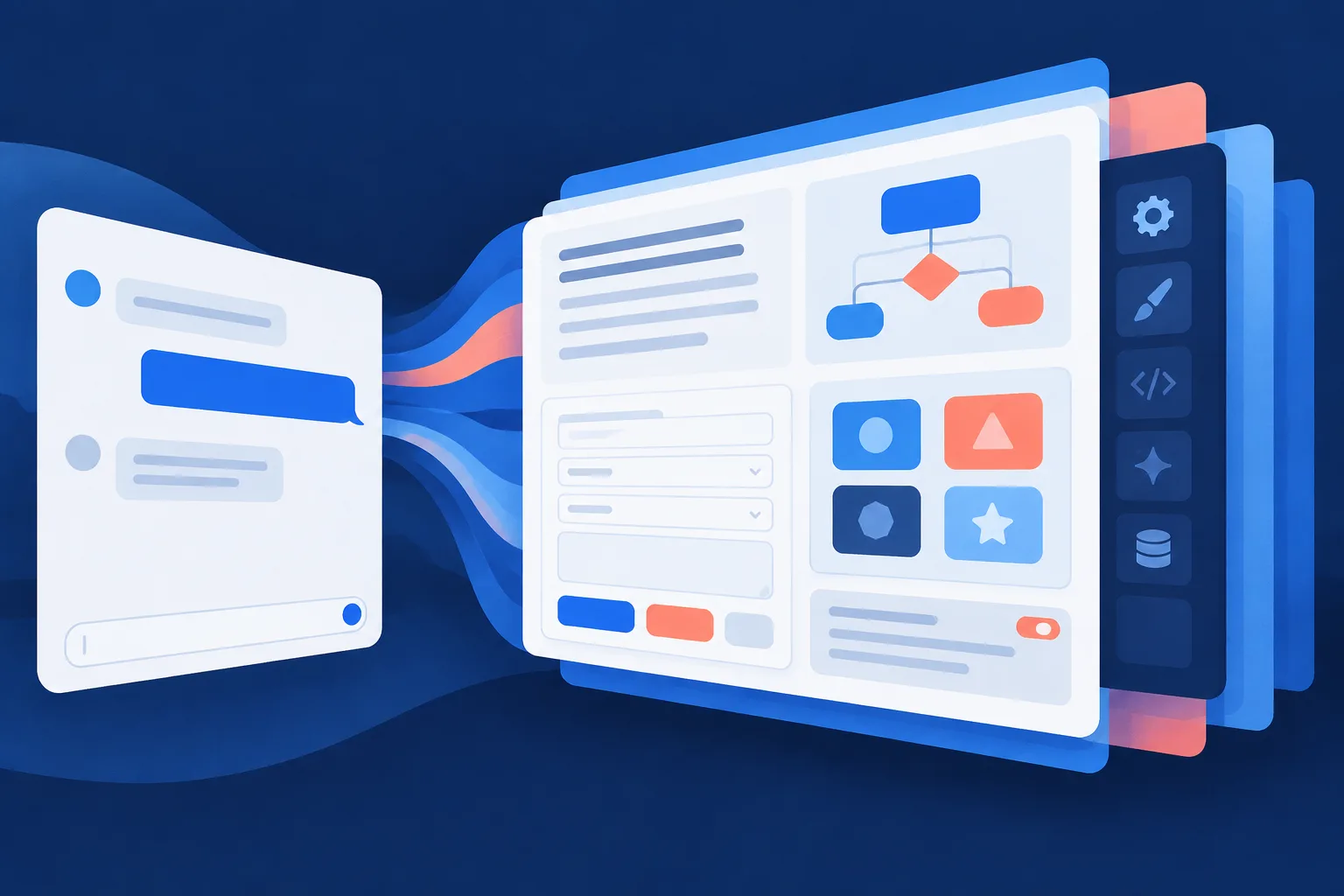
OpenAI is rolling out a feature called Intelligent UI that allows ChatGPT to combine written answers with interactive visual elements. According to an October 7 report by The Verge, responses powered by GPT-6 can now include diagrams, charts, forms, tappable buttons, and other components inside the conversation rather than relying entirely on blocks of text.
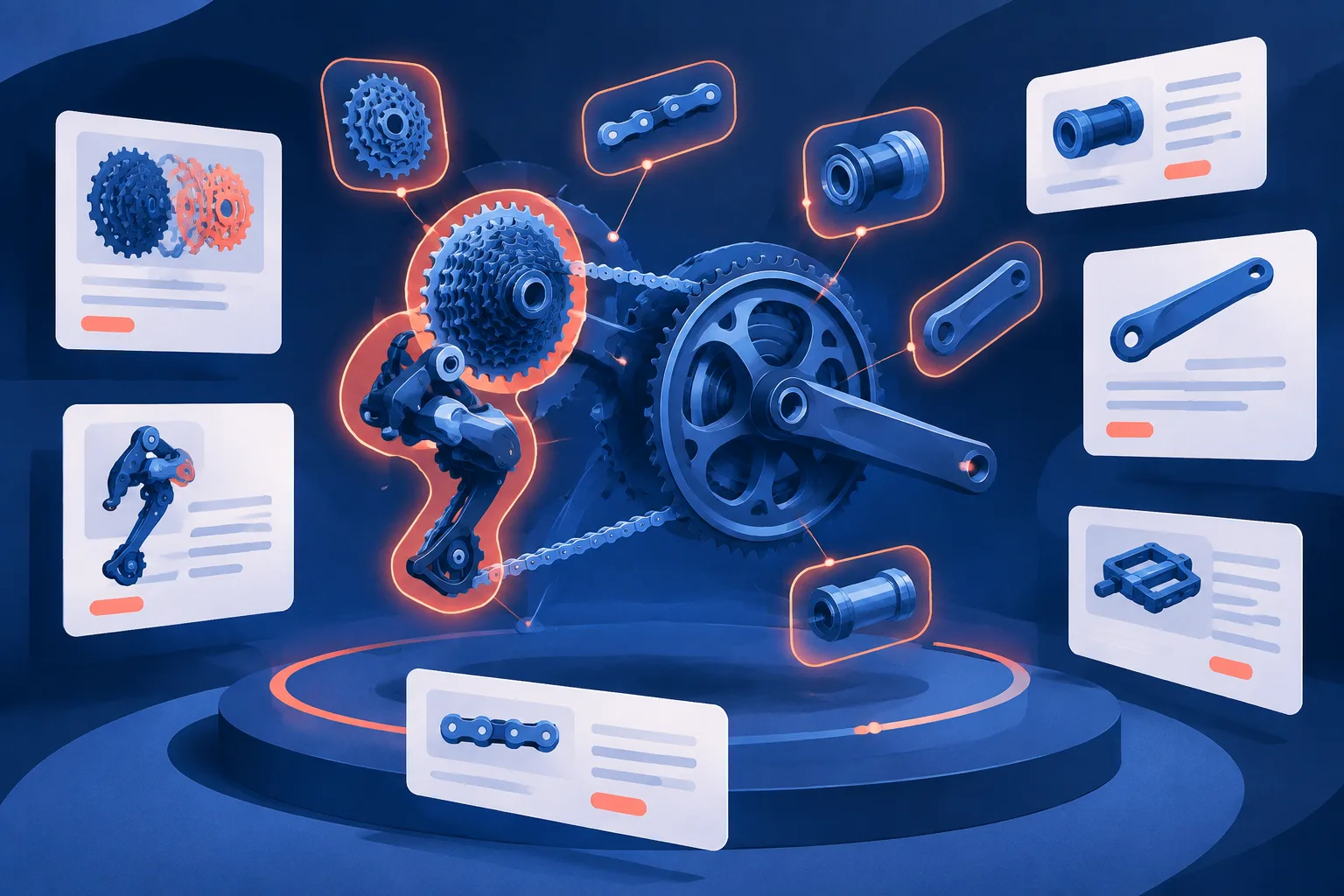
OpenAI says it trained GPT-6 to decide when an interactive visual would be more useful than prose and how that material should be arranged in an answer. One company example shows ChatGPT responding to a question about a seven-speed bicycle with a diagram and buttons that highlight different parts. The example demonstrates OpenAI’s intended experience, not how every query will be rendered in ordinary use.
The system can also organize instructional material and build task-specific tools. OpenAI showed ChatGPT teaching Mahjong with visual representations of tiles arranged in scrollable categories. The Verge reported that users can request tools such as a retirement savings calculator, a retro game, or a bill splitter, which ChatGPT then generates directly within its response.
Intelligent UI is arriving as OpenAI brings the GPT-6 Sol and Luna models into ChatGPT. The company began the global rollout to Plus, Pro, Business, and Enterprise subscribers on October 7. OpenAI said the feature will expand to Go and free accounts on Thursday, with higher-tier subscribers receiving access to the mid-range GPT-6 Sol model while Go and free users receive the more efficient GPT-6 Luna.

OpenAI also says GPT-6 improves ChatGPT’s web searches, can provide quicker partial answers while continuing to gather information, and is more resistant to attempts to circumvent its safety training. Those performance and safety descriptions are company claims relayed by The Verge; the report does not include independent testing that would establish how large the improvements are.
The update pushes a ChatGPT answer toward the territory of a temporary, purpose-built interface. A question may produce not only an explanation but also controls, visual navigation, or a working utility tailored to the task. The report does not specify how reliably generated tools calculate results, how consistently interactive elements meet accessibility needs, or what limits apply to the interfaces GPT-6 can create. Those practical details will shape whether Intelligent UI becomes a routine way to work or remains most useful for selected prompts.
Comments
Loading comments…