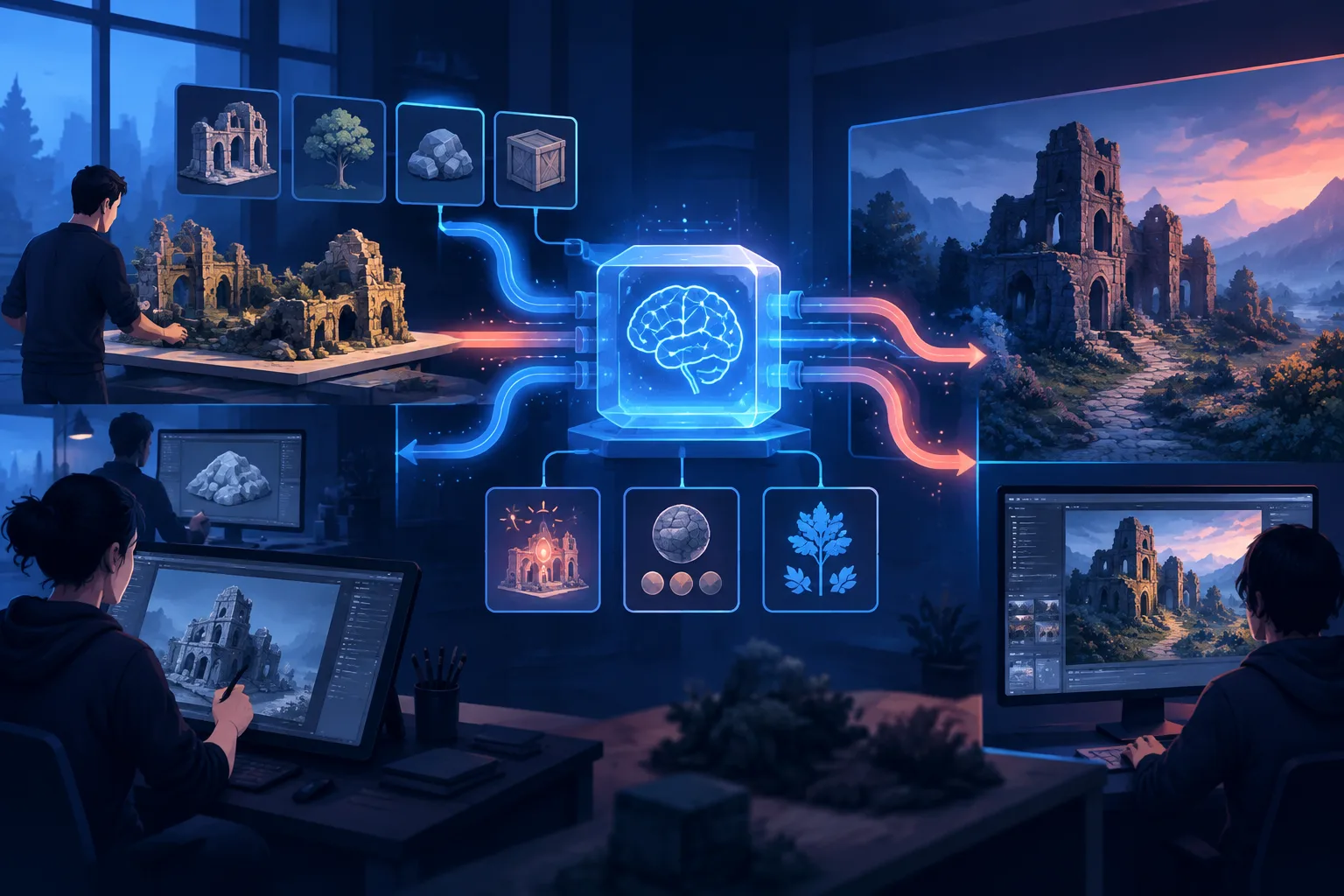
Capcom is preparing to weave artificial intelligence into the technology behind its game-development pipeline, while maintaining its stated position that AI-generated assets will not appear in its games. The Verge reported that programmer Satoshi Ishida outlined the direction during the Capcom Open Conference RE: 2026.
Ishida’s presentation focused on the REX Project and the evolution of Capcom’s RE Engine for a new generation of development. He described the practical strain of building games at the scale of Resident Evil, where even apparently simple production tasks can consume substantial time. His proposed response is to integrate AI technology into development workflows.
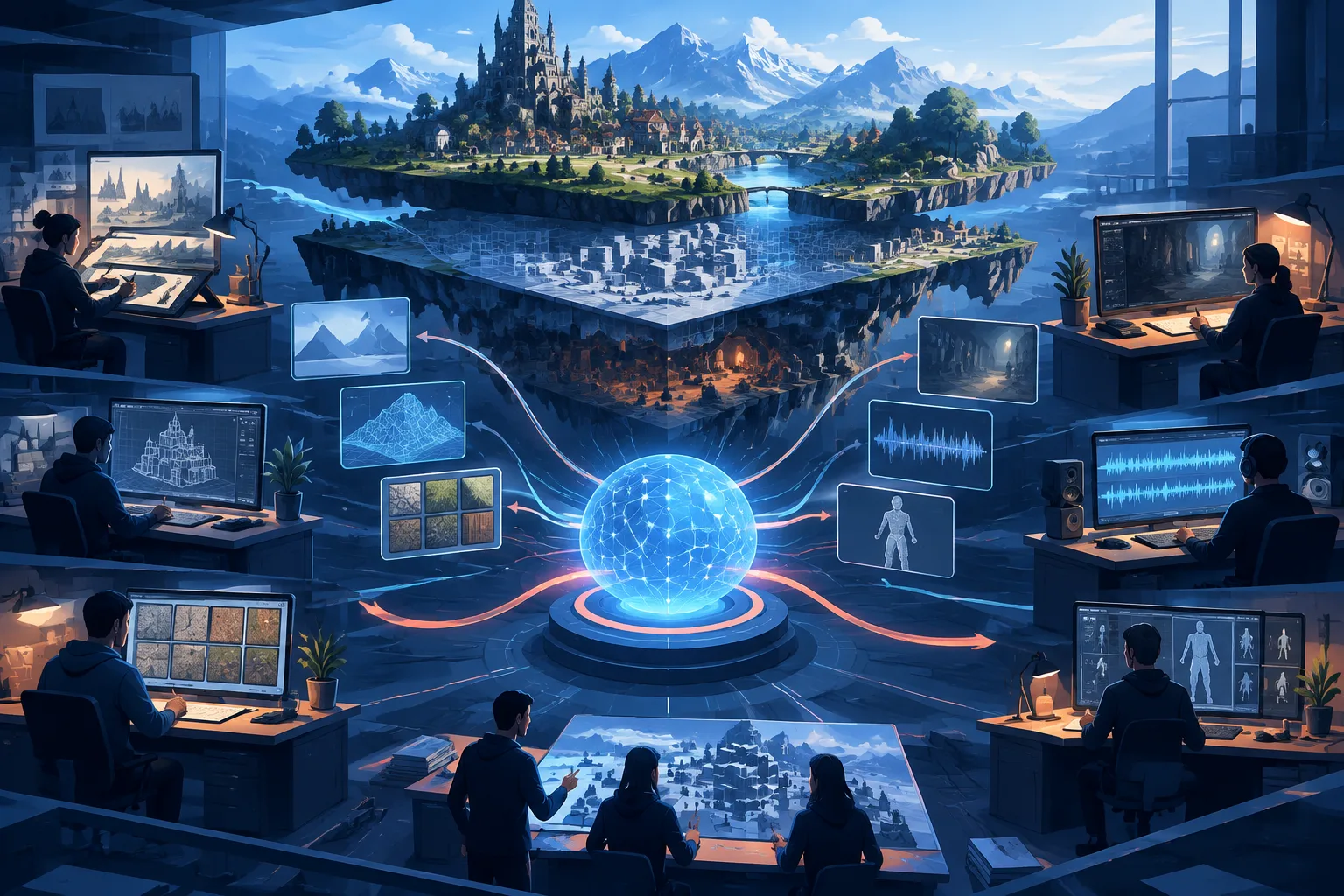
The distinction between workflow assistance and finished content is central to Capcom’s current position. The company has previously said it would not put AI-generated assets into its games, according to The Verge, and would instead use the technology to improve development efficiency. Ishida’s remarks are broadly consistent with that boundary, though the report noted that they could leave room for broader use later.
According to an IGN translation cited by The Verge, Ishida described a gradual plan to turn RE Engine into an “AI-generation game engine.” The approach is intended to be incremental rather than an abrupt replacement of the existing production system, building toward a future in which developers create games alongside AI.
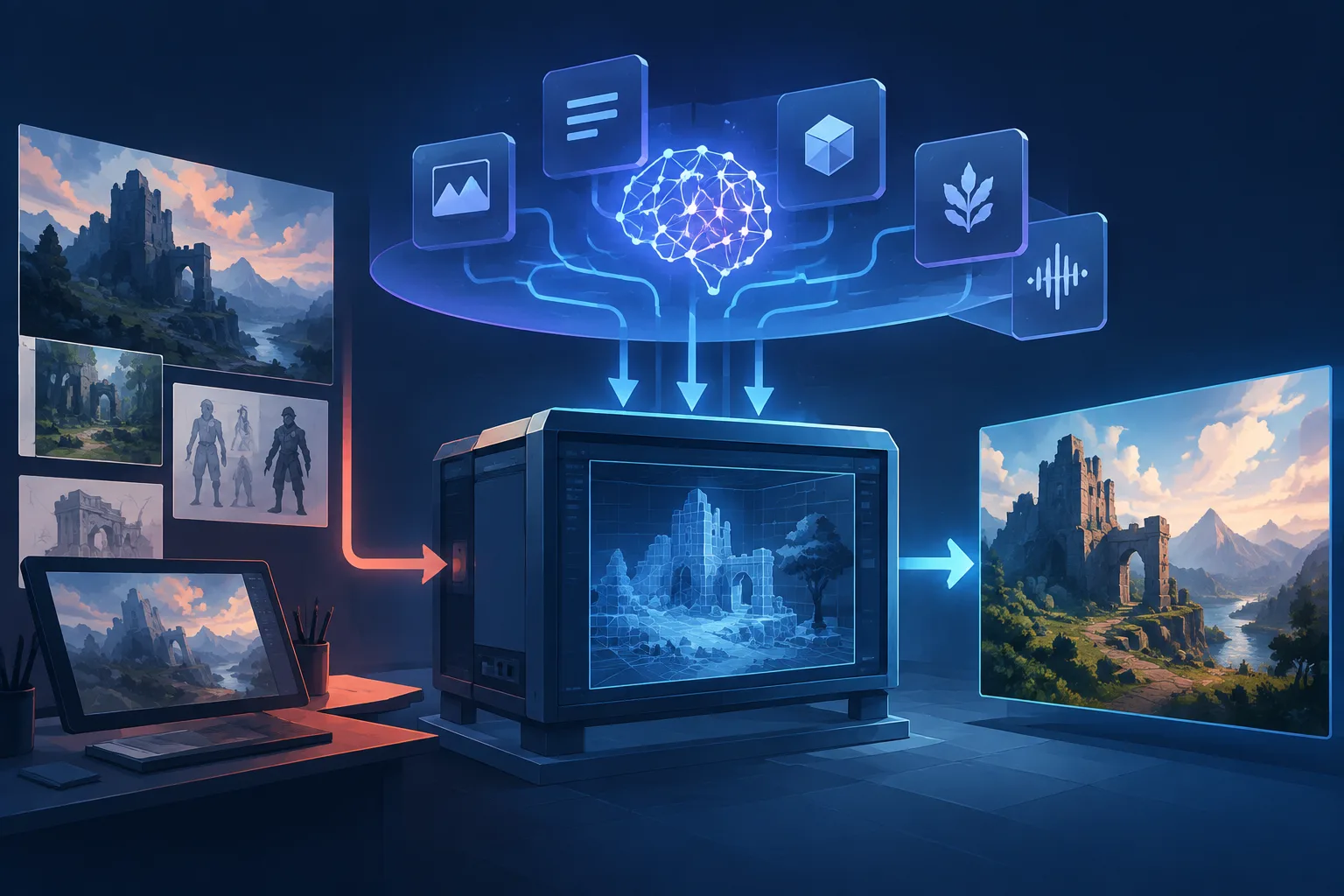
The significance lies in applying AI at the engine and workflow level, rather than presenting it only as a standalone feature. The source report does not specify which production tasks will receive AI assistance, when individual capabilities will ship, or how Capcom will enforce its line against generated assets. Those details remain uncertain.
Capcom’s direction also creates an unusual contrast with Pragmata, a game whose story examines the disturbing side of artificial intelligence. That contrast does not establish how the company’s tools will work in practice, but it makes the policy boundary especially important: Capcom is presenting AI as a development aid while saying human-made assets will remain the material that players ultimately see.
Comments
Loading comments…