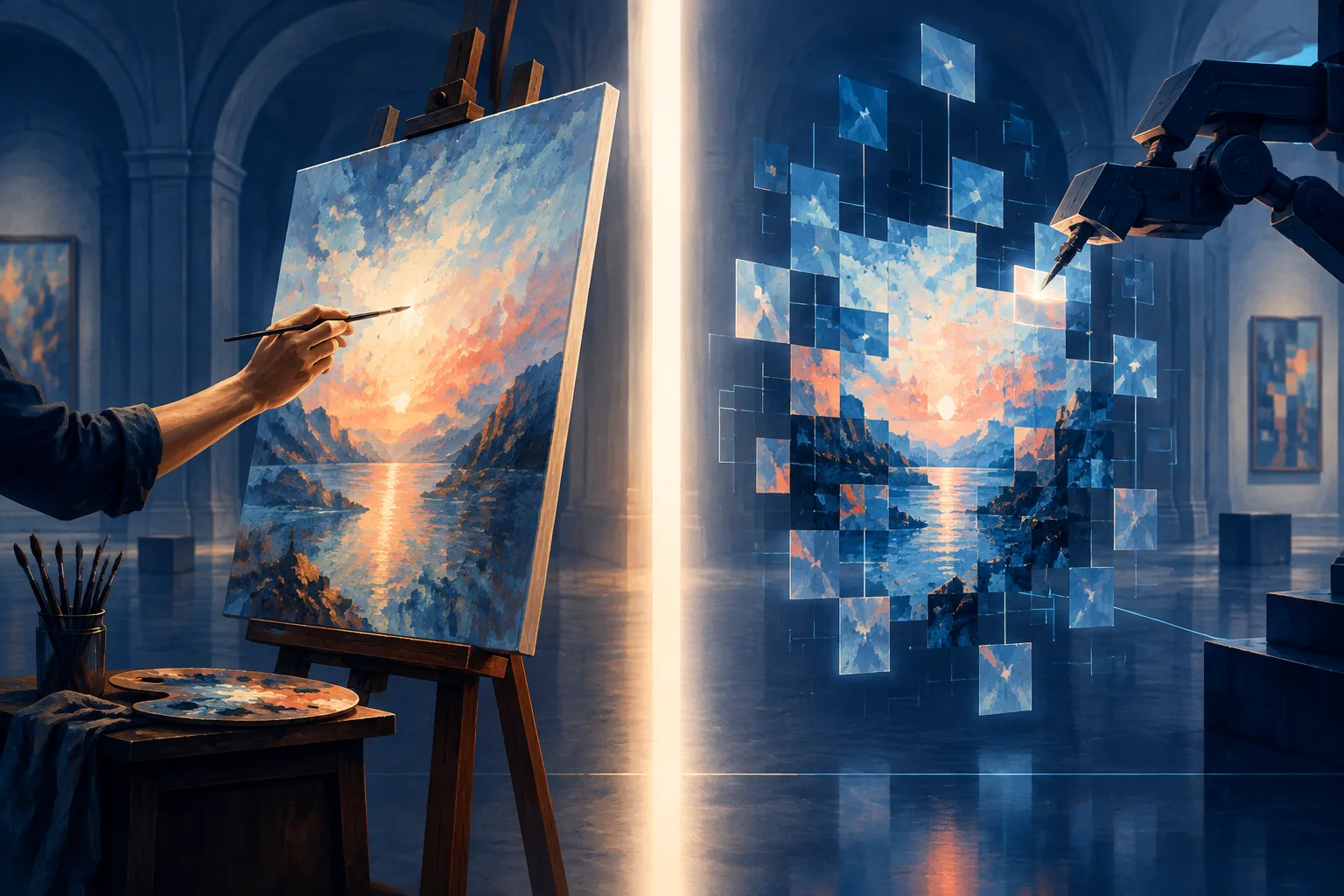
Pope Leo XIV has called for a clearer distinction between art made by people and images produced by artificial intelligence. TechCrunch reported on October 2 that the pontiff published the appeal on X on Friday morning, arguing that the spread of generative systems has made the separation increasingly urgent. His intervention places the debate over AI art within a moral and spiritual framework rather than treating it only as a question of technical quality.
The pope’s argument focuses on origin and human agency. In the statement cited by TechCrunch, he said the difference comes before any judgment about whether an image is attractive or accomplished. He contrasted human creation with machine output assembled through statistical processing of large collections of images made by others, and said algorithms do not possess the distinctly human quality that gives art its meaning.
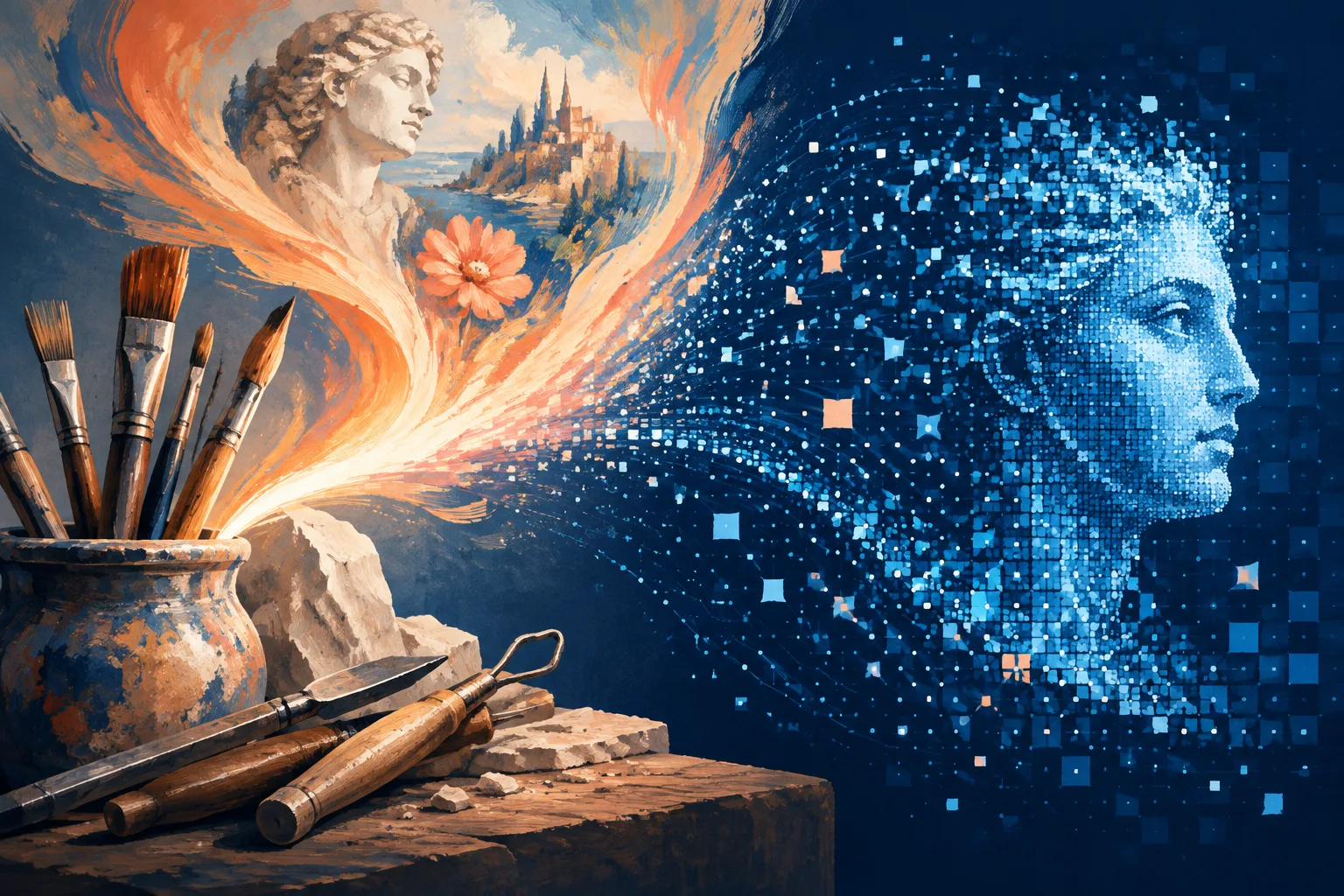
That position does not depend on claiming that an AI-generated image must look worse than a human work. Instead, it treats the creative act itself as significant: intention, experience and human expression matter independently of the visible result. This is an interpretation of the distinction the pope drew, not a technical finding about how every generative model works or how audiences respond to its output.
The statement also follows a longer intervention on artificial intelligence. TechCrunch noted that Pope Leo issued an encyclical letter in May addressing AI in greater detail. That document emphasized human dignity as automation becomes more common, connecting the art debate with wider concerns about how technology affects people and the value assigned to human activity.
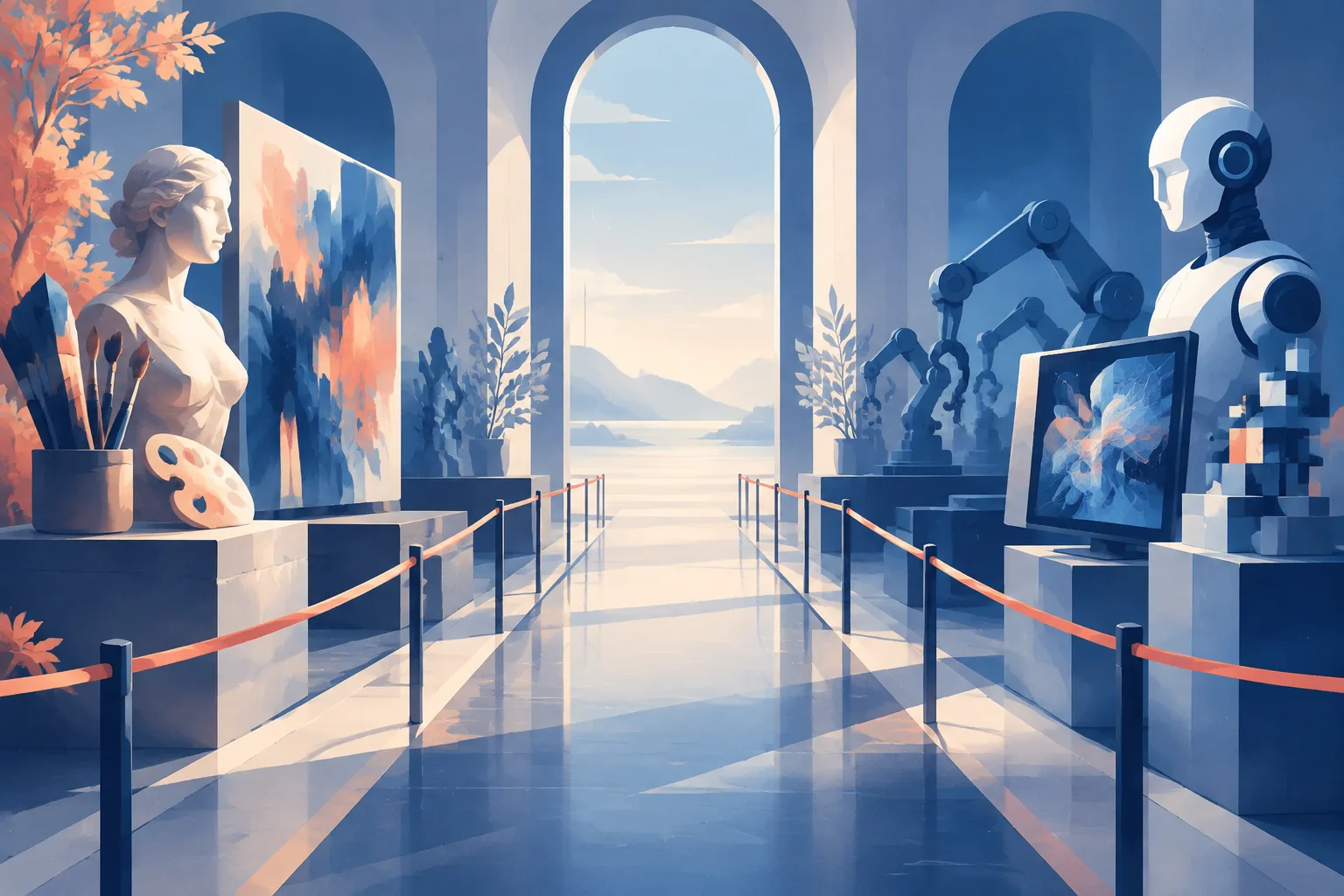
AI companies have reportedly tried to influence the Vatican’s thinking. Citing a recent New York Times report, TechCrunch said Anthropic had lobbied the Vatican to reconsider its position on the possibility of non-human consciousness. The effort appeared to have made little progress, according to the article. Neither report described a change in Vatican teaching resulting from that outreach.
The pope’s remarks are not a technical standard, a copyright ruling or a ban on AI-generated media, and the TechCrunch report did not identify a new enforcement mechanism. Their significance lies in the authority of the speaker and the principle he is advancing: institutions evaluating AI art should consider not only what a system produces, but also whether human authorship and dignity are being preserved. That argument is likely to remain contested as machine-generated media becomes more common.
Comments
Loading comments…