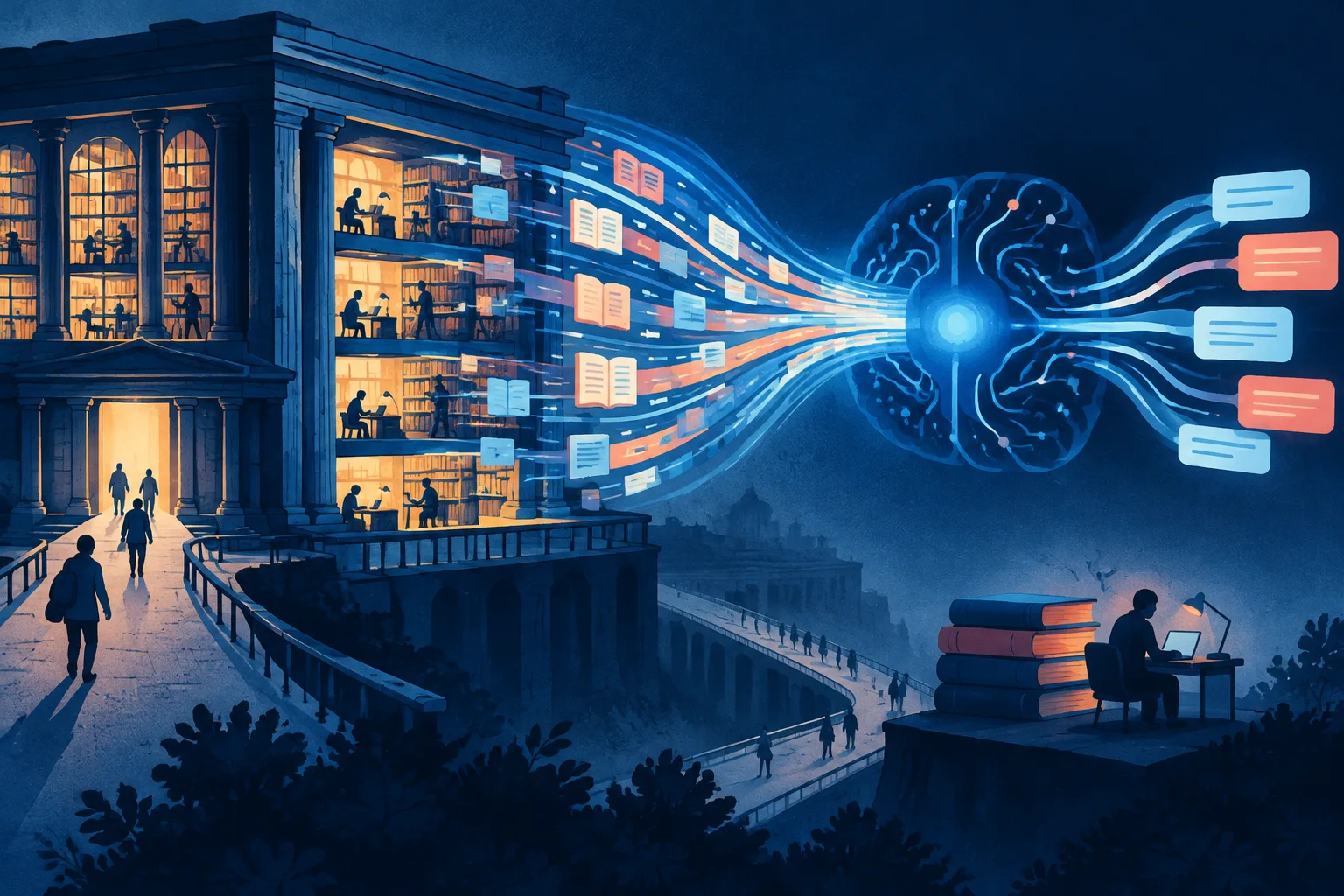
Wikipedia’s collision with generative AI is becoming a problem of both content and survival. A book excerpt published by WIRED on October 13 reports that the encyclopedia has moved from hoping AI would reduce routine work to restricting its use, while AI-generated answers appear to be drawing away the readers who have historically become its next generation of volunteer editors.
The content problem arrived early. Google was already training systems to produce Wikipedia-like articles in 2018. A Princeton University study later examined nearly 3,000 English-language Wikipedia articles created during August 2024 and found that about 5% contained a substantial amount of AI-generated material, according to the excerpt.
Editors encountered more than an abstract risk. AI-assisted entries could contain generic filler, false sources and even remnants of the prompts used to produce them. Wikipedians initially tried to make those contributions useful or repair them when possible. By March 2026, however, AI writing was found to violate the encyclopedia’s principles often enough that large-language-model use for writing was banned, with limited roles retained for translation and minor proofreading.
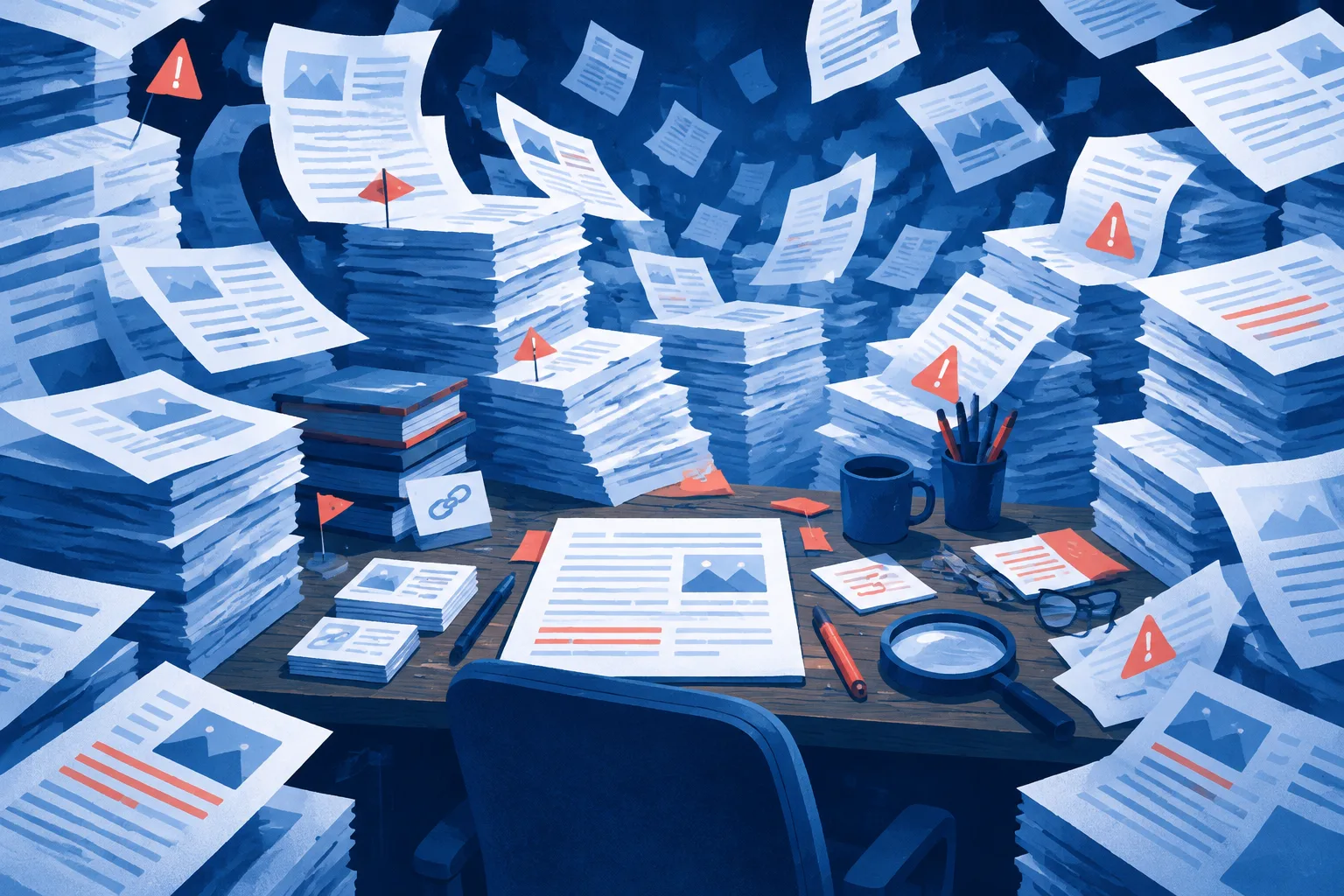
The defensive move reflects a basic asymmetry: automated text is easy to generate, but verification remains human labor. If contributors are discouraged by a flood of weak material, fewer editors may be left to check sources, correct errors and maintain articles. Using more AI to compensate could deepen the same problem, turning volunteers into cleaners of machine-generated work rather than authors guided by human priorities.
At the same time, AI is changing how people reach knowledge. Google’s AI Overviews and conversational agents can answer a question without requiring a visit to the underlying source. Wikipedia may still supply information behind those responses, but it becomes less visible to the person receiving the answer. That separation matters because a user who never reaches Wikipedia is unlikely to discover its editing community.
The scale of the shift is significant. WIRED’s excerpt cites Pew Research figures showing that Wikipedia recorded 1.9 trillion views between 2015 and 2025, an average of 508 million per day. Yet longtime Wikipedian Christophe Henner reported that since 2022 the encyclopedia had lost almost one-quarter of its readership—more than 1.1 billion visits each month.
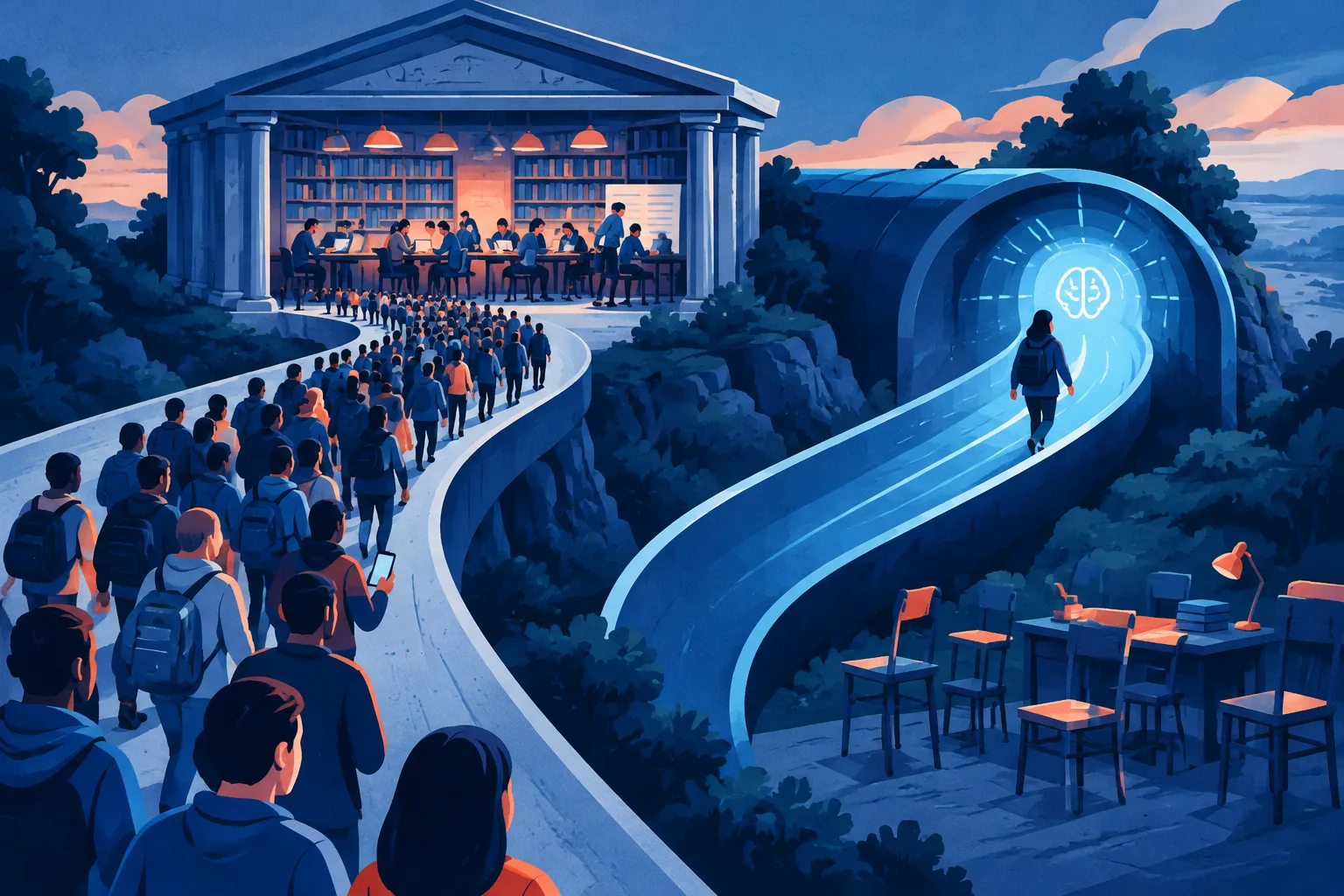
Referral behavior makes the decline harder to reverse. One figure cited in the excerpt put the click-through rate from AI chatbots at 0.33%, compared with roughly 9% from Google search. Those measures are not presented as a complete causal analysis, and Henner argued that AI summaries may be only part of a broader generational change in how people consume information. But both trends reduce the flow of readers into Wikipedia itself.
For a volunteer project, traffic is not merely an advertising metric. Wikipedia depends on some readers becoming editors, learning its rules and taking responsibility for difficult areas of knowledge. A smaller audience can therefore produce a smaller contributor base, leaving fewer people to handle a growing maintenance burden. The excerpt describes concern that an aging core of dedicated editors could end up sustaining a resource that fewer people directly see.
That creates a dependency loop for the AI industry as well. Models and agents benefit from Wikipedia’s human-curated material, but interfaces that summarize it may weaken the community that keeps the source reliable. If AI-generated content also enters Wikipedia at scale, systems could increasingly rely on material shaped by earlier machine output, making independent verification more difficult.
The central risk is not that Wikipedia disappears from AI responses. It is that the visible website, its volunteer culture and its editorial process erode while its content continues to be consumed indirectly. Wikipedia’s value has always included the human system behind the pages: arguments over sources, revisions, context and accountability. AI can reuse the resulting knowledge, but the figures in WIRED’s excerpt suggest it may not be replenishing the community that produces it.
Comments
Loading comments…