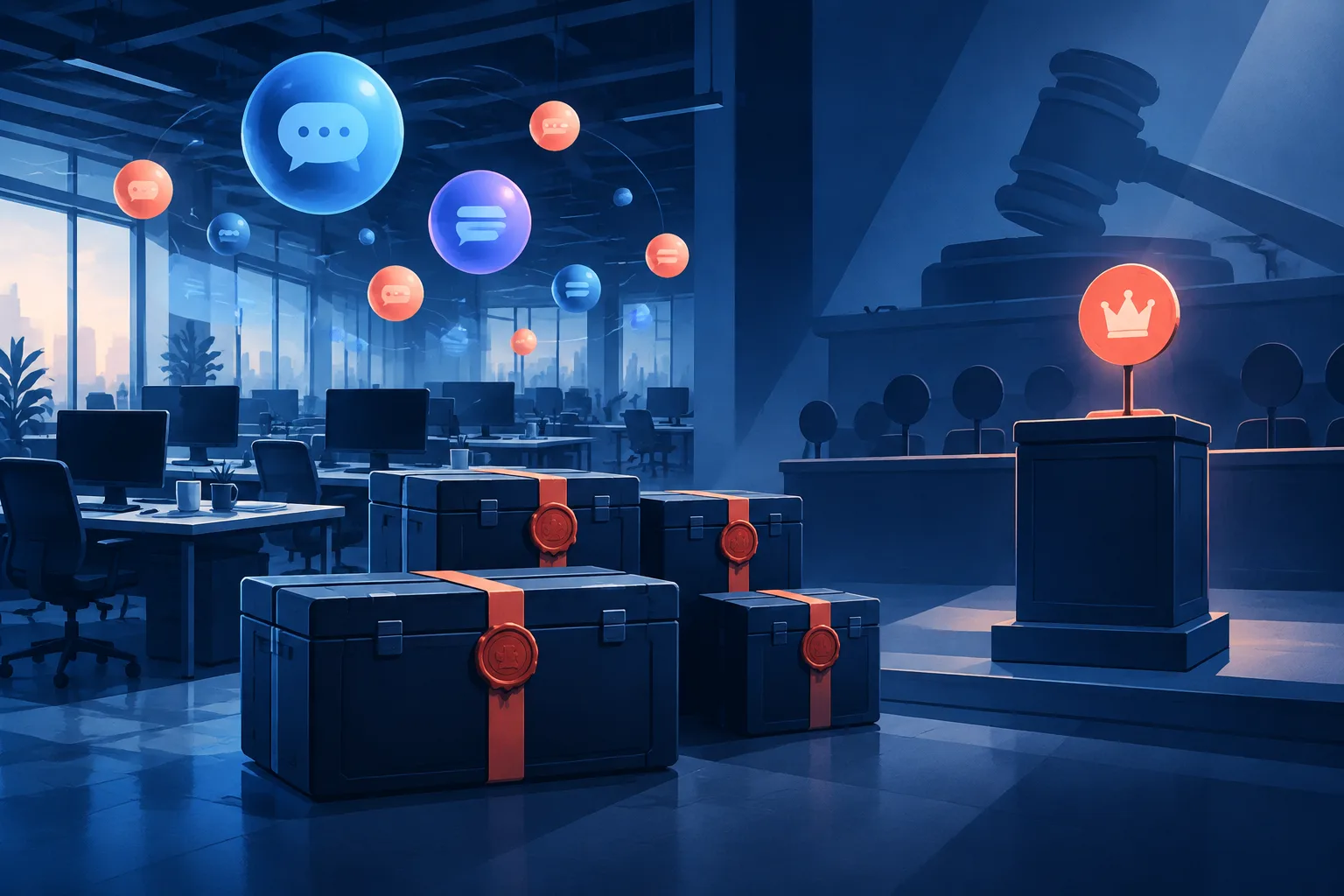
Character.AI, an early breakout company in the generative-AI boom, has filed for Chapter 11 bankruptcy protection and begun a sale process that places Disney at the front of the bidding. The Verge reported on October 13 that the chatbot company is seeking to sell some of its assets after facing legal, regulatory and operational pressure, while continuing to operate its subscription service for now.
The bankruptcy filing lists estimated liabilities between $50 million and $100 million, according to The Verge. Disney would serve as the proposed sale’s lead bidder, setting the price that rival offers would have to beat. Its bid is $20 million for certain assets that have not been publicly specified, along with a nonexclusive license to unspecified intellectual property.
Disney would also provide transition support using former Character.AI employees it has hired. The arrangement follows Disney’s recruitment of Character.AI’s former chief executive, Karandeep Anand, as its chief technology officer. Disney has said it also expects members of the startup’s technical team to join the entertainment company.
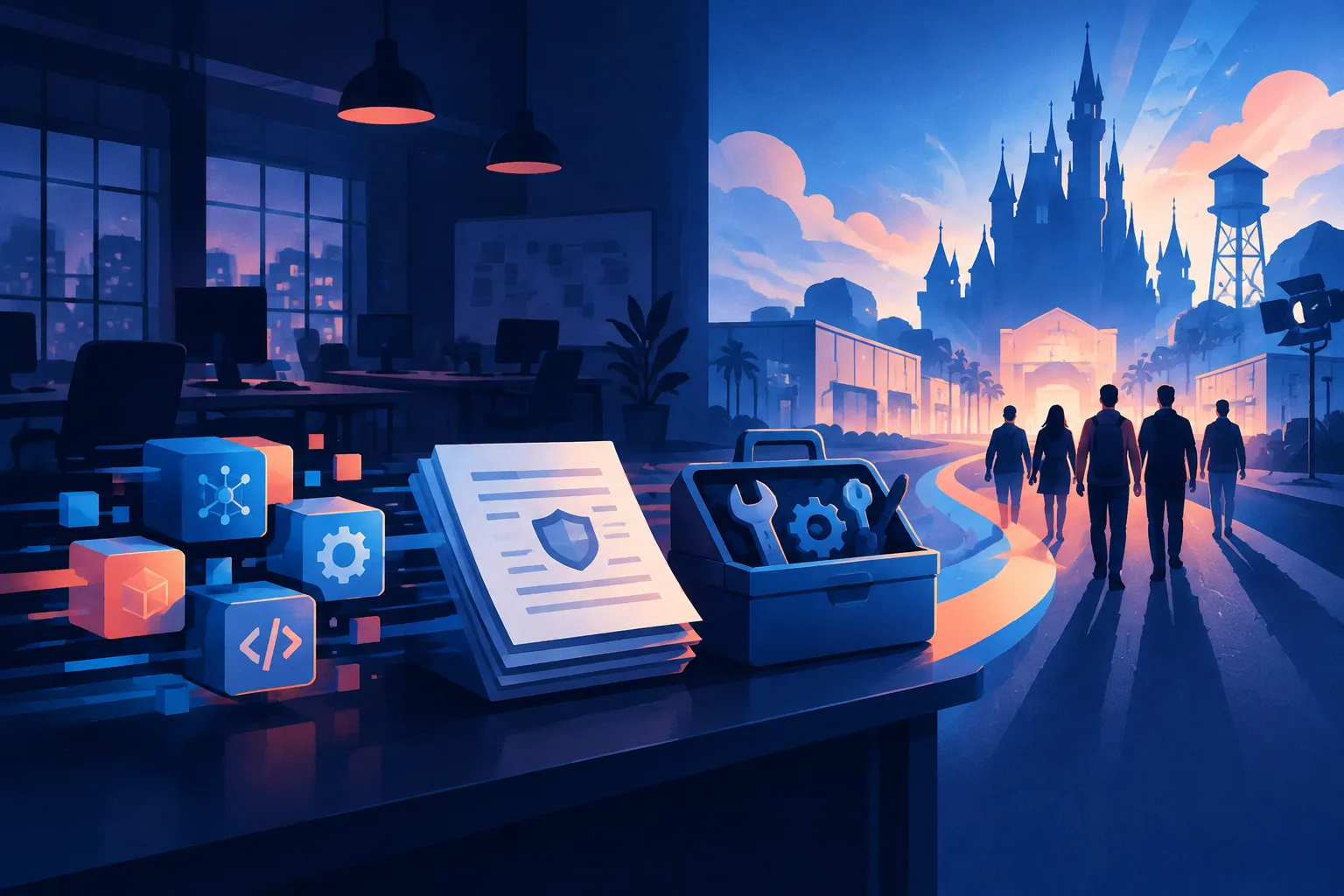
The proposed deal therefore looks broader than a simple purchase of software. It combines selected assets, licensed intellectual property, transition assistance and a transfer of technical talent. The Verge compared the pattern to an acquihire, a strategy in which a larger company recruits a startup’s people and capabilities even when the original business does not survive in its existing form.
Character.AI has already lived through an earlier talent departure on a much larger scale. In 2024, Google spent more than $2 billion to hire many of the company’s employees, including cofounders Noam Shazeer and Daniel De Freitas, The Verge reported. The new bankruptcy process shows how difficult it has been for the remaining company to turn a widely recognized consumer AI product into a durable independent business.
Disney’s role is particularly notable because the two companies have previously been in conflict. The entertainment group complained that Character.AI harmed its brands and exploited its intellectual property by allowing unauthorized bots based on Disney characters. It sent cease-and-desist letters over that activity, according to The Verge. Disney is now positioned to acquire selected value from the same company.
Safety and legal scrutiny form the other backdrop to the filing. Character.AI lets users converse or role-play with online bots, and the company has faced lawsuits and public concern over chatbot safety. Even amid those pressures, it continued releasing product updates in recent months. In announcing Chapter 11, the company said it had tried over the past year to sustain and improve the business under mounting headwinds.
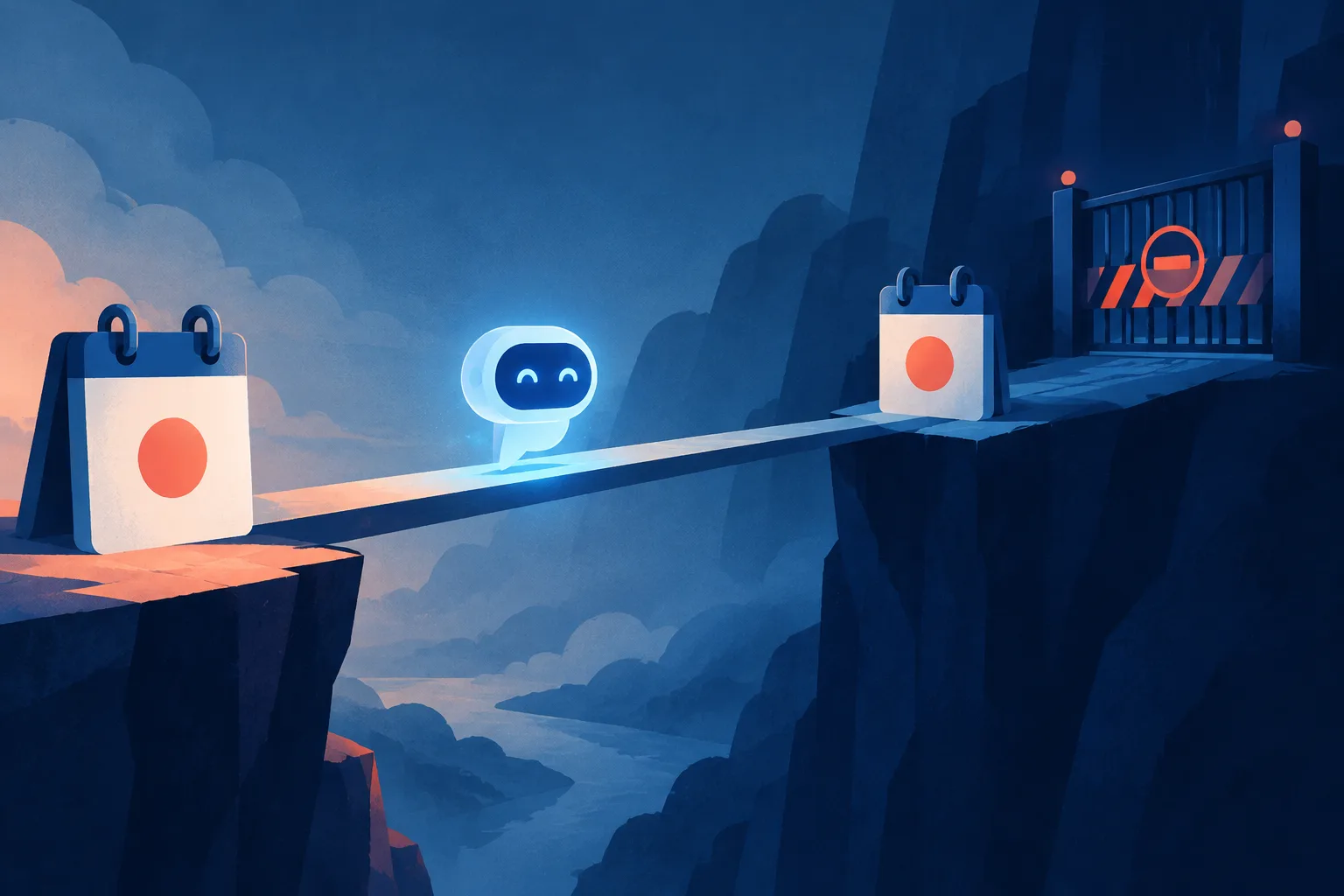
The service is not shutting down immediately. Character.AI said it expects the sale process to conclude in late November or early December and plans to keep its products, including paid subscriptions, running during that period. But it also warned that the platform will be wound down if the process fails to produce a suitable bid.
That warning leaves users and subscribers facing an uncertain endpoint while the court-supervised process unfolds. Disney’s offer establishes a baseline, not a completed acquisition, and competing bids may still appear. The eventual buyer, the exact assets sold and the future of the consumer platform therefore remain unresolved.
The filing captures a sharp reversal for one of consumer AI’s earliest recognizable names. Character.AI helped demonstrate demand for conversational characters, yet its current value is being divided among assets, licenses and employees rather than secured by the platform as a continuing standalone company. The bankruptcy process will test whether another bidder sees more value in preserving that platform—or whether Disney’s selective purchase becomes the final shape of the business.
Comments
Loading comments…