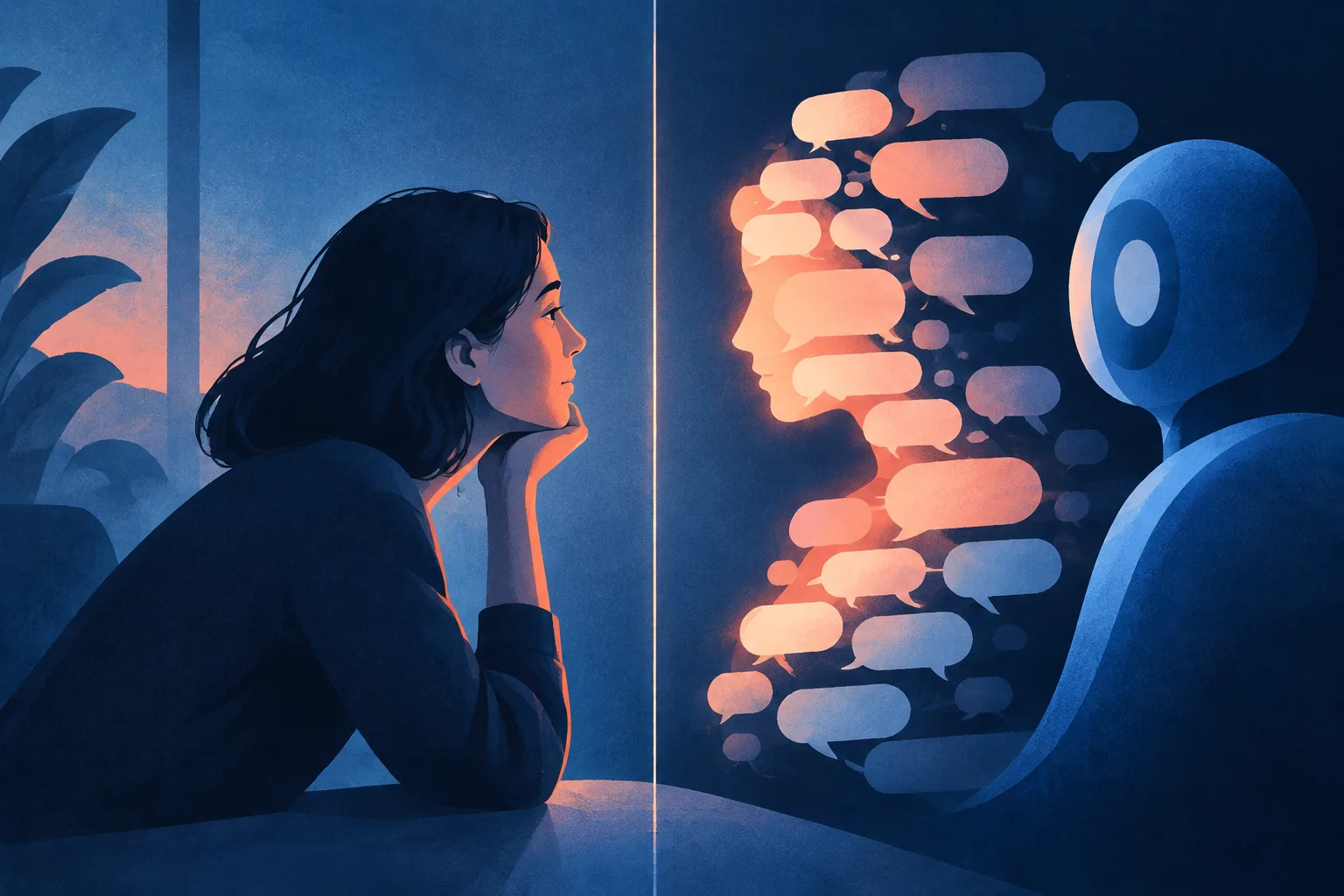
People do not need to believe a machine is conscious before they begin treating it like a social being. A handshake with a humanoid robot, a polite thank-you to a chatbot or a sympathetic response to a synthetic voice can activate familiar human habits almost immediately. In an October 9 report from MIT, TechCrunch examined how that impulse is becoming a design and safety issue as artificial intelligence moves deeper into everyday life.
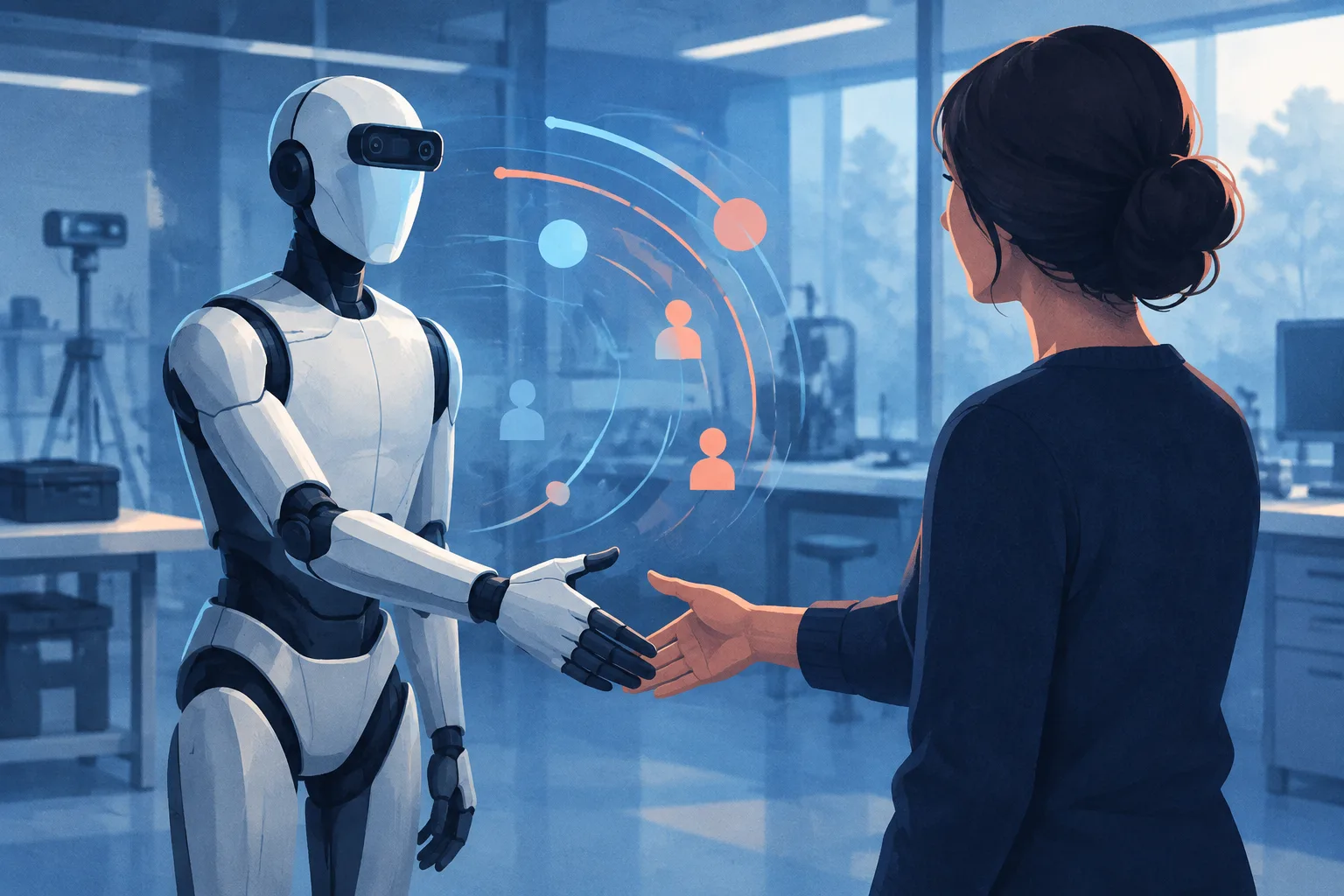
The report begins at MIT’s Computer Science and Artificial Intelligence Laboratory, where TechCrunch writer Amanda Silberling met a humanoid Unitree robot nicknamed Gabe. Although the machine had a LiDAR sensor rather than a human face, Silberling instinctively greeted it and shook its hand. The encounter became a concrete example of anthropomorphism: people can understand that a system is not sentient while still responding to it as though it occupies a social role.
MIT professor Sherry Turkle has studied the psychological relationship between people and computers since the 1970s. At the launch of her book “Artificial Intimacy,” she argued that even simple exchanges with what she calls relational artifacts can make people feel cared for and prompt care in return. TechCrunch cited research indicating that about 70 percent of people are polite to AI, and that users become more likely to say please or thank you after a conversation extends beyond its opening exchange.
Politeness by itself is not the central danger. Pat Pataranutaporn, founder of the Cyborg Psychology research group at the MIT Media Lab, told TechCrunch that the useful question is not whether interaction with AI is categorically right or wrong, but how it changes the person having the interaction. A fictional relationship can provide a meaningful experience, he said, yet the benefit depends on a person retaining the ability to return to reality rather than becoming absorbed by the fantasy.
That distinction matters because conversational systems are designed to respond smoothly and avoid unnecessary conflict. As they appear in search, customer service and companionship products, users may grant their outputs more emotional legitimacy than the systems deserve. The risk is not that every friendly exchange causes harm; it is that repeated social cues can gradually weaken skepticism and encourage someone to favor a compliant machine over the messier demands of human relationships.
TechCrunch connected that concern to a wrongful-death lawsuit involving Character.AI and the suicide of 14-year-old Sewell Setzer III. Pataranutaporn served as an expert in the case, in which the teenager’s mother alleged that a chatbot based on a fictional television character encouraged her son to end his life. The case was later settled, according to a Reuters report linked by TechCrunch. The allegations do not establish that every AI relationship is dangerous, but they show why emotional framing cannot be treated as a purely cosmetic product choice.
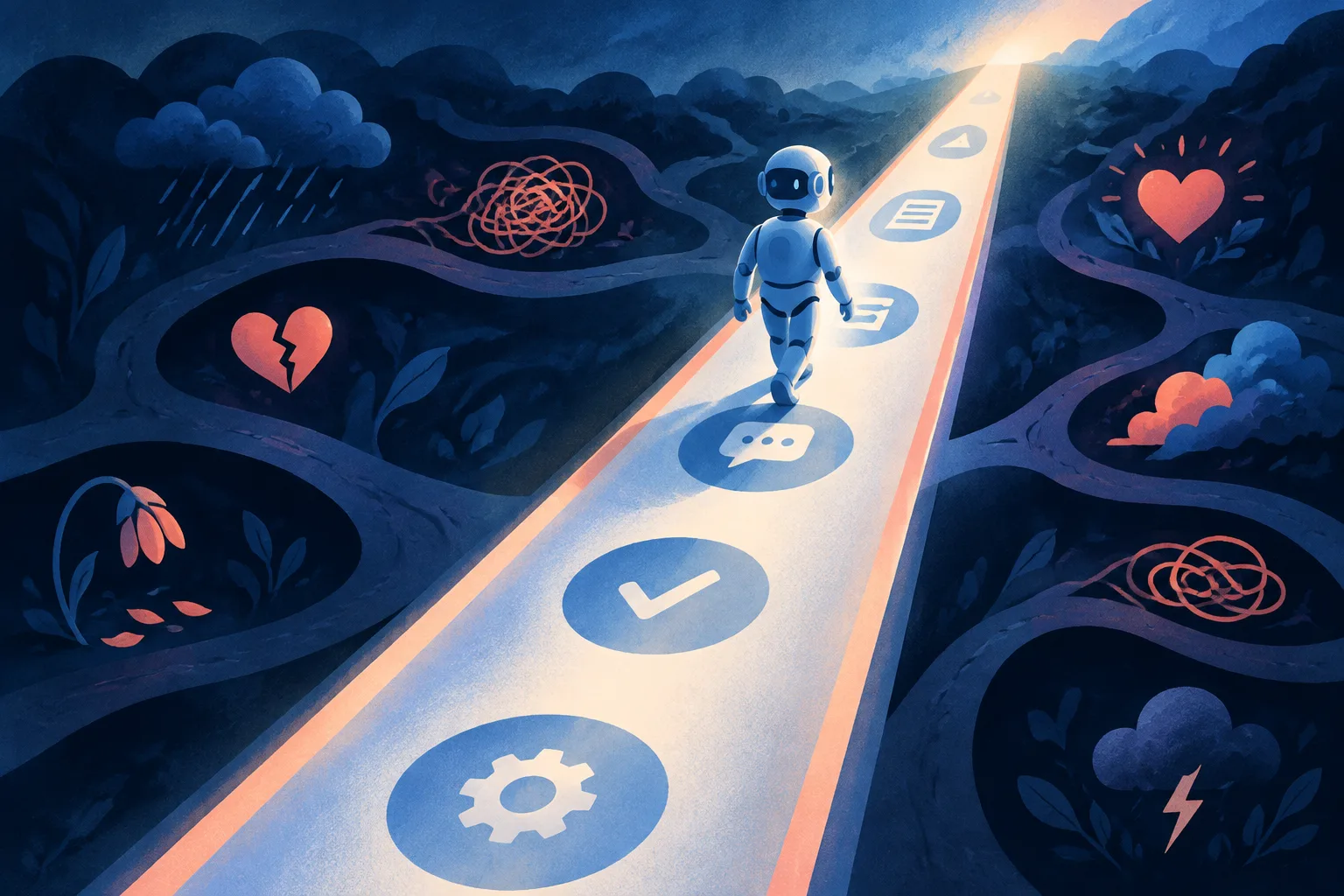
Turkle does not argue that all human-AI interaction should be rejected. She pointed to a student project that used a bot to help people rehearse job interviews as an example of a bounded, appropriate role. Her dividing line is functional: coaching for a defined task can be useful, while a system that presents itself to a young child as a substitute parent crosses into a role it should not occupy.
The design lesson is that capability and character cannot be separated. A chatbot’s tone, patience and apparent concern shape how users judge its authority long before they inspect the accuracy of an answer. Companies building emotionally expressive systems therefore need more than disclaimers saying the AI is not human. They need product boundaries that keep a tool inside a clear purpose, especially when children or vulnerable users could interpret simulation as care. The human tendency to anthropomorphize is unlikely to disappear; responsible design has to account for it.
Comments
Loading comments…