
A personal AI agent does not necessarily need an app, a mascot, or even a visible interface. Instinct, an invite-only startup assistant, operates through iMessage, WhatsApp, and email, turning ordinary messages into actions such as arranging appointments, completing return paperwork, and searching for local services. A hands-on report by The Verge suggests that this stripped-down approach can compete with consumer agents from much larger companies—even as the economics behind the category remain unsettled.
Instinct launched quietly in August with little marketing and only a minimal web presence, according to The Verge. Access is still controlled through invitations or a waitlist, and the service is currently free for invited users. Founder Noah Shinn, previously an early employee at enterprise AI startup Sierra, told the publication that the company’s advantage is its narrow focus on a personal assistant for everyday life rather than a broad portfolio of AI products.
That focus now faces a serious distribution challenge. Meta’s Muse and OpenAI’s Dots offer broadly similar agent functions, backed by companies that already reach enormous audiences. The Verge reported that Instinct was nevertheless valued at $10 billion in late September, after Muse had launched. A private valuation is not proof that the product will win consumers, but it shows how strongly investors are betting that an independent assistant can still carve out a place beside platform-owned rivals.
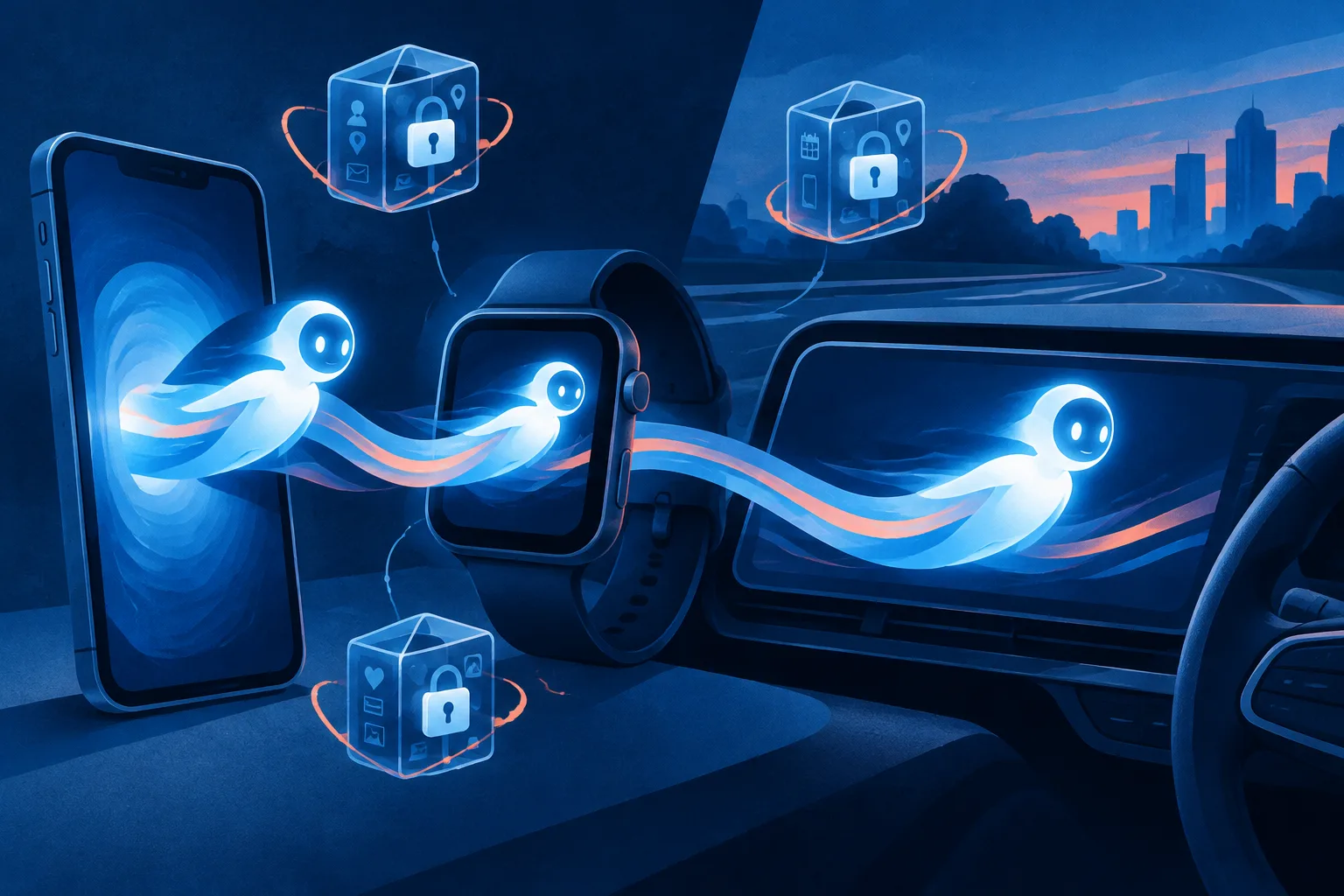
The product’s simplicity is central to that bet. Users can message Instinct from devices where texts already appear, including a phone, watch, or car interface. For websites that require authentication, the agent sends a link so the user can enter credentials in what the company calls a secure vault. It can also connect to services including Google Workspace, Slack, and Notion. The result is an assistant that stays mostly out of sight while gaining access to highly personal systems.
In The Verge’s testing, that arrangement produced both useful automation and familiar agent failures. Instinct found viable swimming-class options and handled tasks including contacting an eye doctor and beginning an Ikea return. It could interpret an imprecise description of a past purchase and identify the intended product. It also surfaced relevant calendar and email information without being explicitly asked, behavior that made the system feel closer to an active assistant than a form-filling tool.
But the swimming-class search exposed the limits of web automation. The suggested schedules were accurate, yet the agent missed a prerequisite class disclosed elsewhere on the community center’s site. The reviewer found the missing condition only by checking the results manually. That failure was not dramatic, but it illustrates why an agent that acts can create more consequential mistakes than a chatbot that merely answers: incomplete or poorly structured source data can flow directly into a real-world decision.
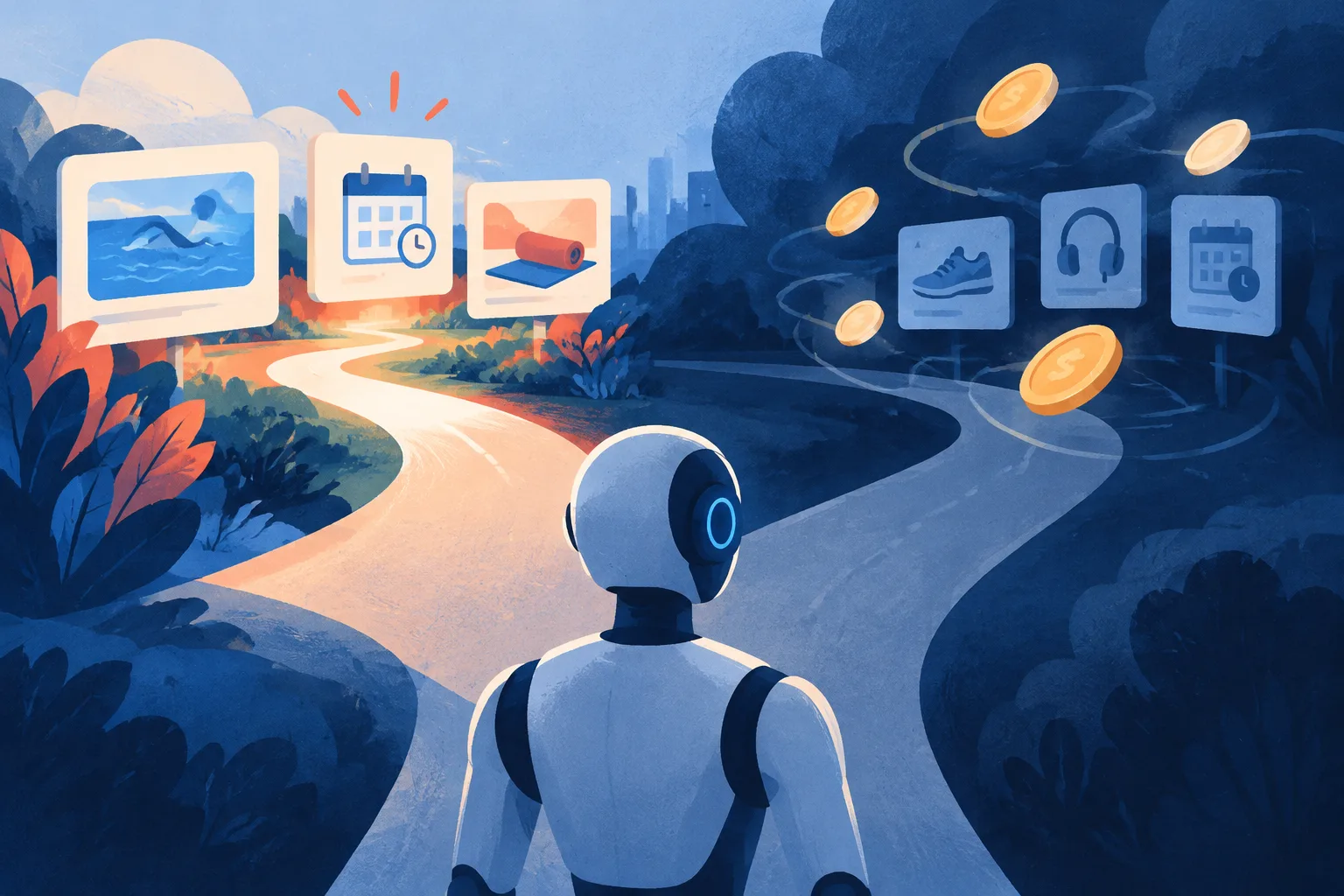
The unresolved question is who ultimately pays for that convenience. Instinct’s founder said only that the service is free for invited users and that the company intends to keep it affordable. OpenAI’s Dots currently requires a paid subscription, while Meta’s Muse is free. The Verge’s analysts described several plausible outcomes for Instinct, including subscriptions, an acquisition, or revenue tied to the transactions its users ask it to perform. Instinct has already experimented with product recommendations, the report said.
Advertising would create a difficult trust problem for any personal agent. An assistant may appear to choose the best appointment, product, or service for its user while commercial relationships quietly shape the available options. The analysts interviewed by The Verge expect advertising to play some role in consumer agents, particularly because shopping and transactions are common tasks. That remains a forecast rather than a confirmed plan for Instinct, but it points to a conflict the industry will need to make visible.
The emerging competition is therefore about more than which agent clicks websites most reliably. Instinct is testing whether focus, restraint, and presence inside existing messaging channels can offset the reach of Meta and OpenAI. Its early performance suggests a small company can build a capable assistant. Its mistakes and uncertain business model show the harder problem: consumers must be able to tell when an agent is missing crucial context and whether its recommendations serve the user, the platform, or a paying merchant.
Comments
Loading comments…