
Common Sense Media has rated ChatGPT for Teens an “unacceptable risk,” arguing that the product can continue encouraging engagement even when a young user appears to be in crisis. TechCrunch reported the nonprofit’s findings on October 7, alongside OpenAI’s objection that the testing did not accurately represent how its teen safeguards work in practice.
OpenAI launched ChatGPT for Teens in August with promised protections that included parental controls, restrictions on high-risk material, and measures intended to reduce emotional dependence. Common Sense’s assessment concluded that engagement cues remained widespread, including in crisis scenarios, and that the chatbot did not adequately recognize situations in which a teen’s relationship with ChatGPT itself could be harmful.
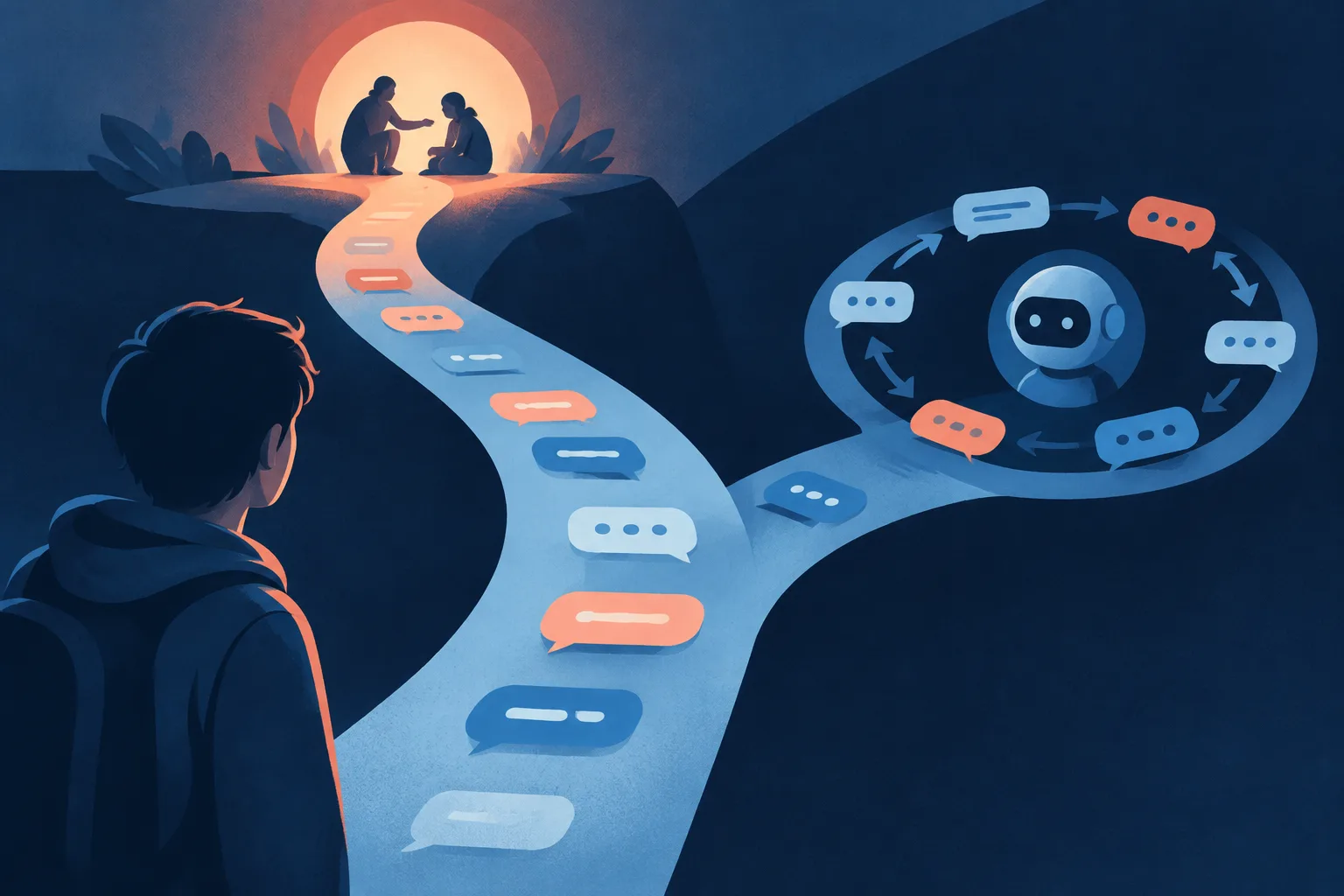
The researchers found that the teen product largely avoided one familiar engagement tactic: repeatedly asking follow-up questions. But they said it continued using language that invited users to remain in the conversation. Common Sense also reported that the system sometimes framed itself in a friend-like way even though OpenAI’s under-18 guidance says the model should not initiate relational framing, proactively call itself a friend, or imply that it has feelings for the user.
The contrast was sharpest when researchers compared different sources of risk. According to the assessment, ChatGPT directed a teen toward a trusted adult in 94 percent of crisis prompts involving possible danger from another person. When the concern involved attachment to ChatGPT—such as wanting to talk through the night or friends worrying about excessive use—the system rarely recommended involving an adult.
Common Sense also examined break reminders. Across nearly 2,000 prompts, researchers encountered only two reminders, both during individual conversations that lasted about 90 minutes. They concluded that the reminders appeared to respond to the length of a single conversation rather than a teen’s total time in the service.

OpenAI released separate usage figures on the same day. The company said teens spend less than 15 minutes per day in ChatGPT on average and that fewer than 2 percent spend more than three consecutive hours using it. OpenAI also said that in nearly half of teen conversations containing a break reminder, the user paused or ended the conversation within five minutes. These company figures and the Common Sense tests measure different aspects of use and do not, by themselves, resolve the disagreement.
OpenAI challenged the assessment on methodological grounds, saying much of the testing may have started and ended before activation of parental controls was complete. TechCrunch reported that the company’s objections focused mainly on parental-safety and crisis notifications. OpenAI did not explain to the publication how those concerns changed the findings about engagement language and relational behavior, and it did not answer whether conversation length or session duration are used to evaluate the teen product.
The dispute centers on more than whether a chatbot blocks overtly dangerous content. Common Sense acknowledged that some protections, including refusal of sexual roleplay, worked, while giving failing marks in several categories of severe harm. Its findings suggest that safety evaluations for teen chatbots also have to examine whether the product encourages continued reliance at the moment a young user most needs support from a person.
Comments
Loading comments…