Splice CEO Kakul Srivastava is applying a similar test to AI in two very different settings: music production and workplace communication. In a questionnaire published by The Verge, she argued that a useful tool should preserve evidence of a person thinking, deciding, and responding. When automation obscures that human contribution, she believes the conversation around the work changes for the worse.
Srivastava leads Splice, the sample platform used by producers to find one-shots and melodic loops. The Verge noted that samples from the service have appeared in major songs including Lisa’s “Money” and Sabrina Carpenter’s “Espresso.” Her career has also included executive roles at Flickr, Yahoo, GitHub, and Adobe, placing her at the intersection of technology companies and creative work.
That intersection is increasingly shaped by generative AI. Srivastava has overseen Splice’s AI initiatives and the acquisition of orchestral-sample company Spitfire Audio, according to the report. The Verge also pointed to her earlier criticism of systems that turn a prompt directly into a finished song. Splice has instead tried to develop AI products that retain a creator’s active role in the process.
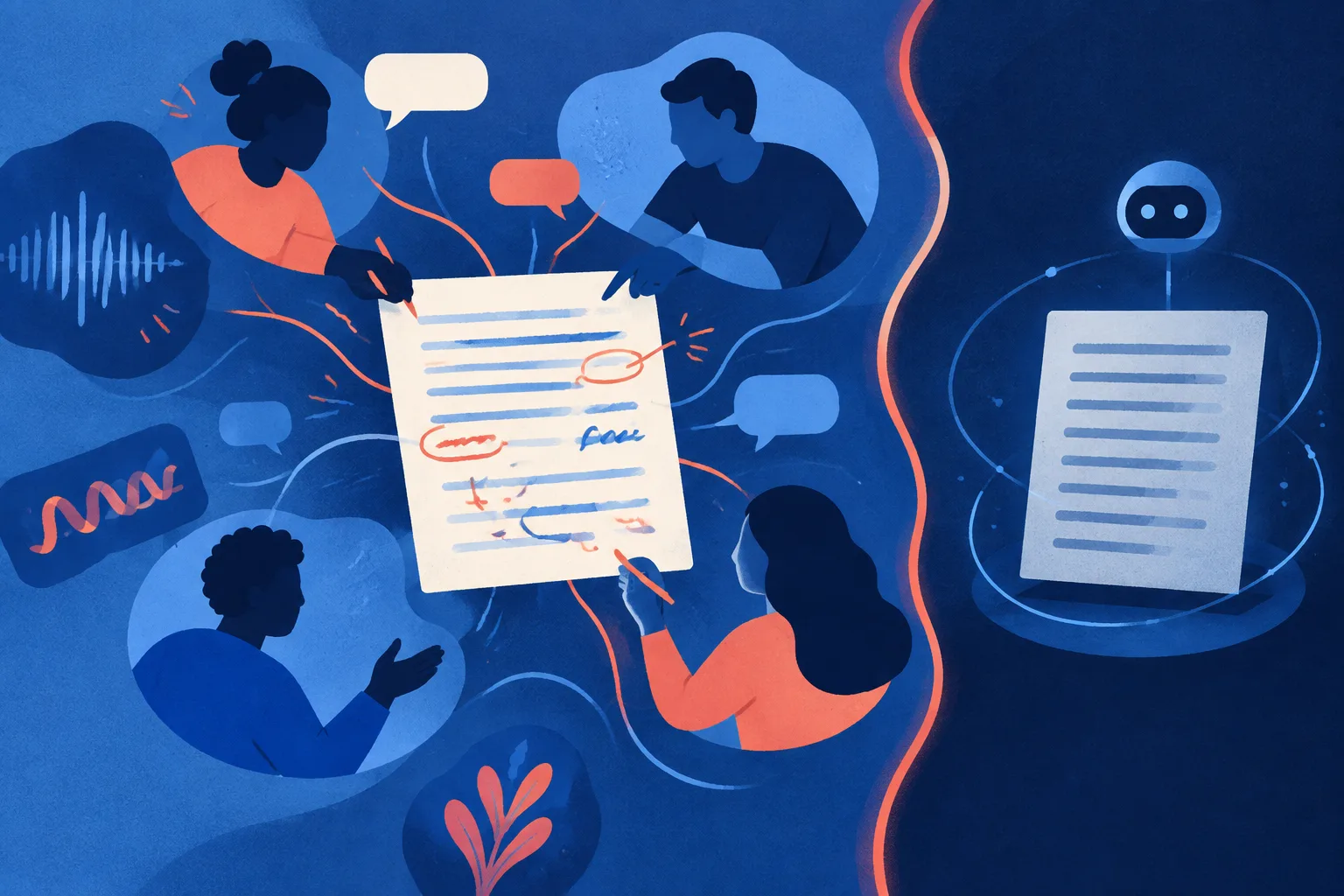
Her answer about workplace tools makes the concern especially concrete. Splice operates as a remote-first company, so Srivastava said a carefully written document and a genuine discussion about it substitute for the informal conversations that might otherwise happen in an office hallway. She described that pattern—someone thinking through an idea, then colleagues challenging it—as the starting point for much of the company’s best work.

AI-written documents can weaken that process, in her view, because colleagues may no longer know whether the words represent another person’s considered position. Srivastava said that uncertainty produces a different and poorer conversation, and she connected the same problem to music. Her concern is not simply that a machine participated; it is that automation can remove the recognizable human commitment that gives others something meaningful to engage with.
Other answers in the questionnaire reinforce that emphasis on participation. Srivastava described enjoying social-media clips of people making music in unexpected ways, remembered playing the Indian singing game Antakshari with family, and named live jazz as something worth paying for because musicians make irreversible choices together in real time. These examples do not amount to a formal policy, but they show the qualities she appears to value: memory, risk, interpretation, and exchange.
Taken together, Srivastava’s comments suggest a practical dividing line for creative AI. Assistance can expand what a person is able to make, but the person’s choices must remain part of the finished work and visible to collaborators. That standard is more demanding than labeling a tool “AI-powered,” because it asks whether the technology creates more room for human judgment or quietly replaces the judgment that made the work worth discussing.
Comments
Loading comments…