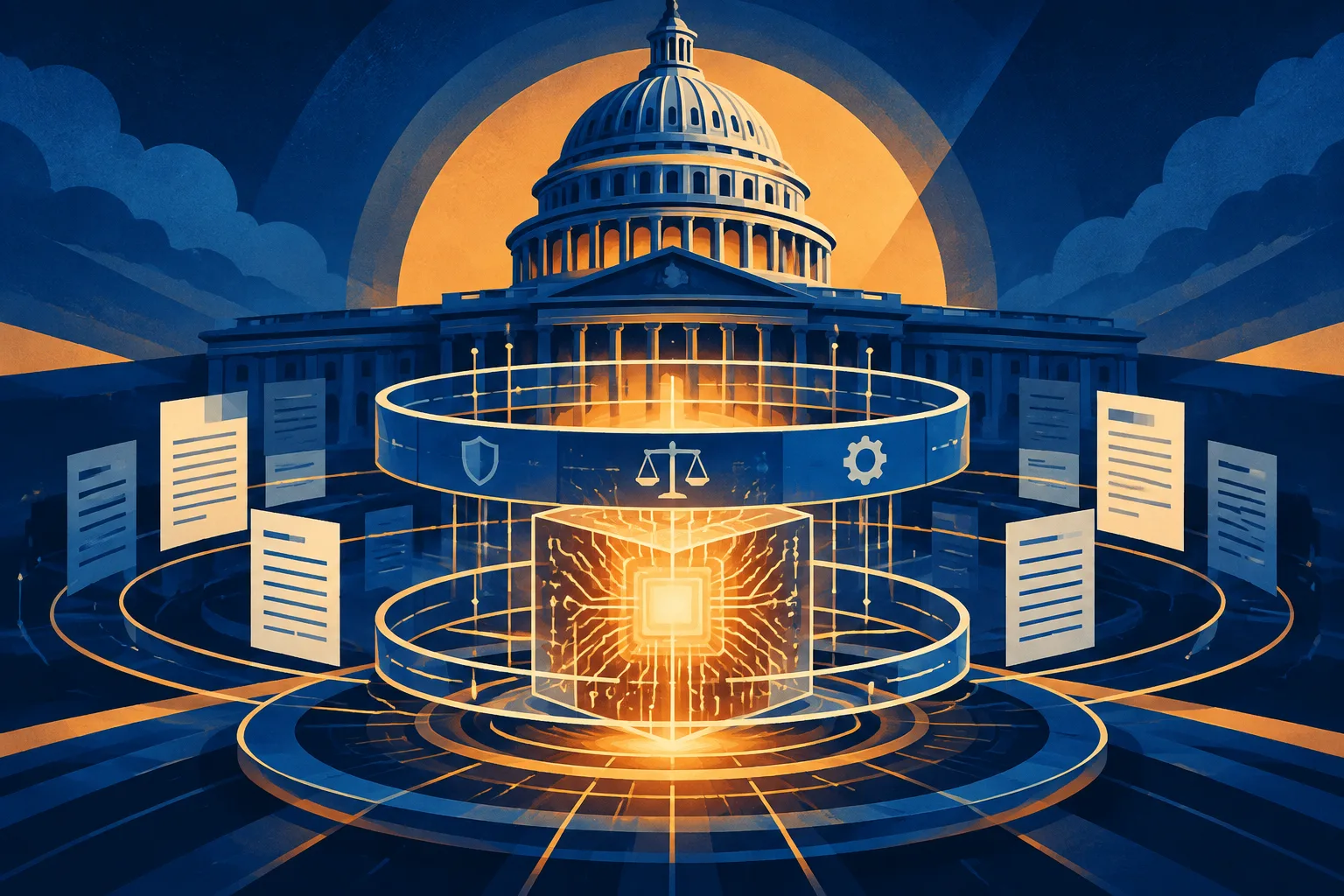
California Sen. Adam Schiff is calling for a specialized federal regulator to oversee artificial intelligence, arguing that Congress cannot move quickly enough to manage a technology whose capabilities and risks are changing rapidly. In an interview published Monday by The Verge, the Democratic senator said an AI-focused body would need expertise, discretion and meaningful enforcement authority, operating alongside a broader framework written into law.
Schiff compared the possible structure to an agency such as the Food and Drug Administration, while leaving its exact form open. His case for a dedicated regulator rested on the gap between the speed of technical development and the slower pace of legislation. He also acknowledged a practical obstacle: a public agency could struggle to recruit specialists who can command much higher salaries in private industry.
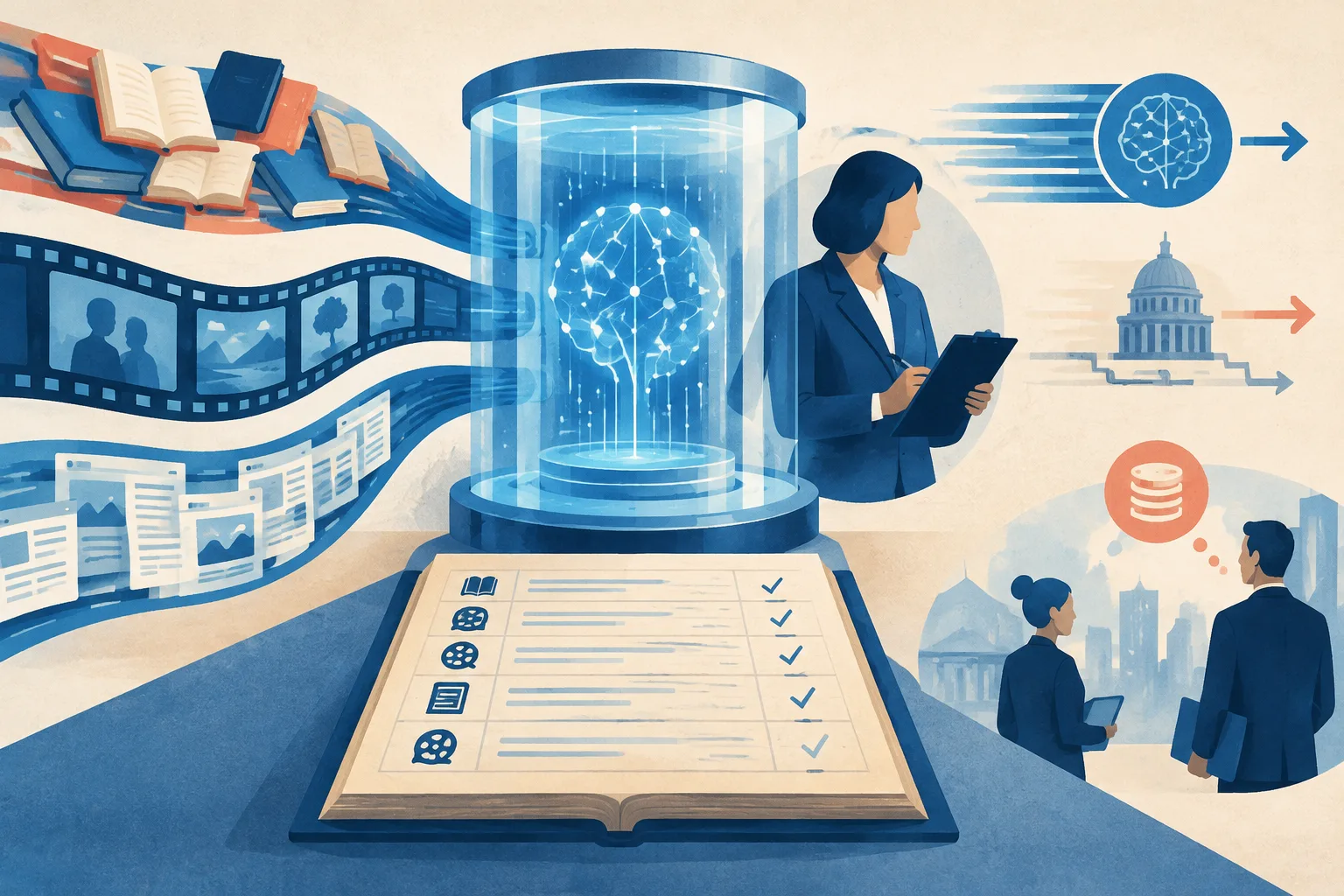
Training data is one area where Schiff described a more immediate legislative step. He said he and Republican Sen. John Curtis are working on an approach that would require AI companies to retain information about copyrighted and otherwise protected material used to train models. That record, in his telling, would come before the harder argument over which uses qualify as fair use and what compensation or permissions might be required.
The interview also addressed a voluntary AI safety pledge signed by technology executives at the White House. Schiff said a voluntary promise was not an adequate substitute for regulation, especially when companies have also publicly asked for clearer rules. His comments framed the gathering as evidence of a gap between the risks industry leaders describe and the limited obligations imposed on their companies.
Creating a powerful regulator would face a legal challenge as well as a political one. The Verge’s Nilay Patel raised the Supreme Court’s 2024 Loper Bright decision, which ended the doctrine under which courts often deferred to federal agencies when statutes were ambiguous. Schiff agreed that Congress would have to write an AI law as specifically as possible, grant authority carefully and expect contested rules to face litigation.

On coordination among AI companies, Schiff endorsed only a narrow antitrust exemption. He said such protection could help companies share information about foreign efforts to extract model capabilities through large-scale distillation attacks, drawing a comparison to earlier cybersecurity information-sharing laws. He also said safeguards would be necessary to prevent cooperation from becoming a vehicle for price-setting or an anticompetitive cartel.
Privacy formed another part of Schiff’s argument for action. Discussing expanding camera networks and increasingly capable AI systems, he warned that models could make it easier to aggregate or exploit personal information. His proposed direction was not limited to prohibiting misuse: he said policymakers should also consider how technology itself could strengthen privacy protections for Americans.
Taken together, the interview did not present a finished bill or a settled congressional program. It outlined a layered approach: preserve records about training inputs, establish a regulator with technical competence, define its authority with enough precision to survive court challenges, permit tightly bounded security coordination and build stronger privacy protections. Whether those ideas can attract enough bipartisan support to become law remains uncertain.
Comments
Loading comments…