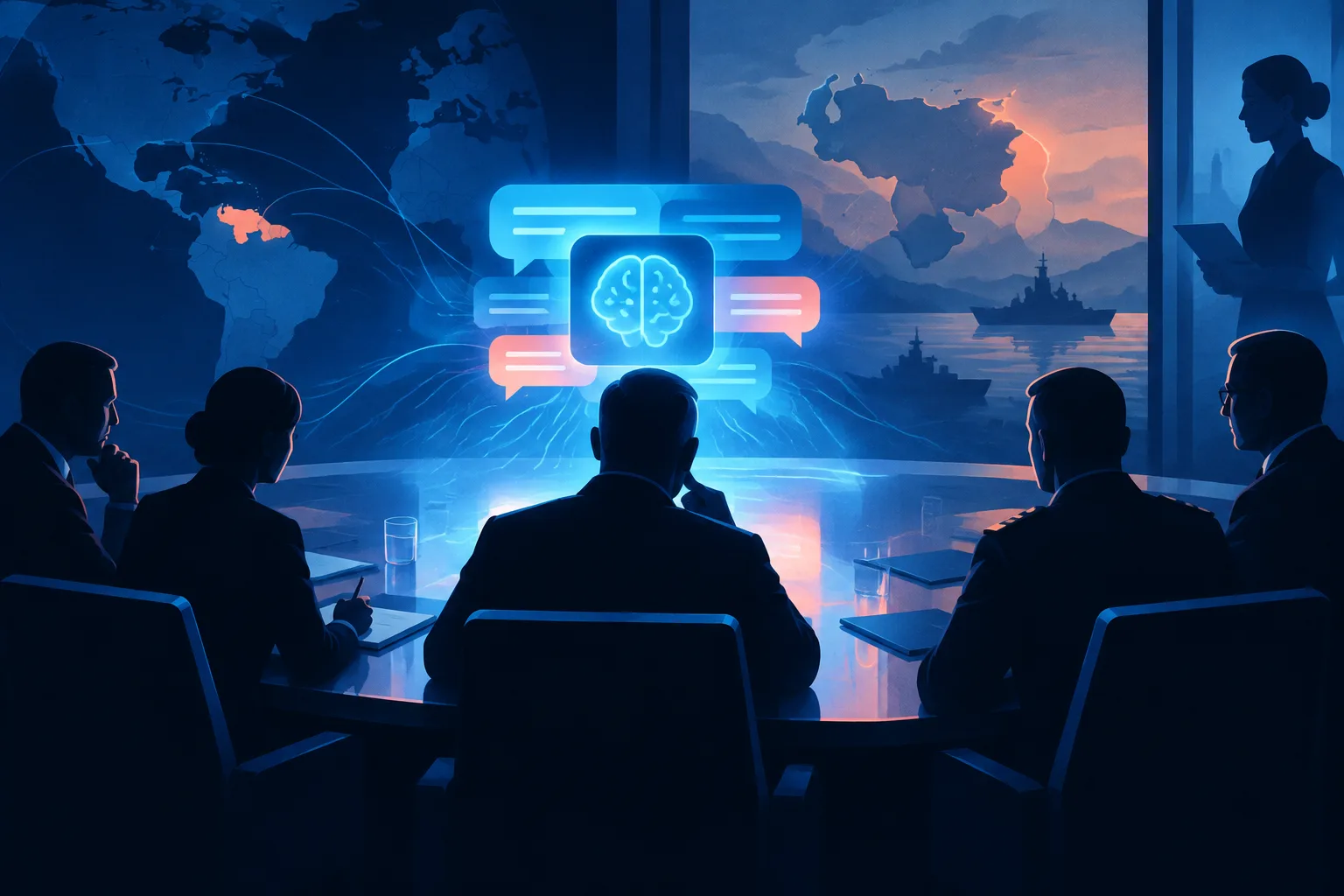
President Donald Trump reportedly consulted Elon Musk’s Grok chatbot about Venezuela weeks before the United States invaded the country and captured President Nicolás Maduro. TechCrunch reported on October 1, citing a Time magazine account, that Trump met privately with Musk in December 2025 and spent hours interacting with the AI system. The meeting occurred roughly one month before the January 3 operation.
According to the report, Trump asked Grok how Venezuelans might react if Maduro were removed. The chatbot characterized Maduro as deeply unpopular and suggested that many people in Venezuela would welcome his fall. That account rests on an unnamed source quoted by Time and relayed by TechCrunch; neither publication’s report establishes what other intelligence or advice Trump considered.
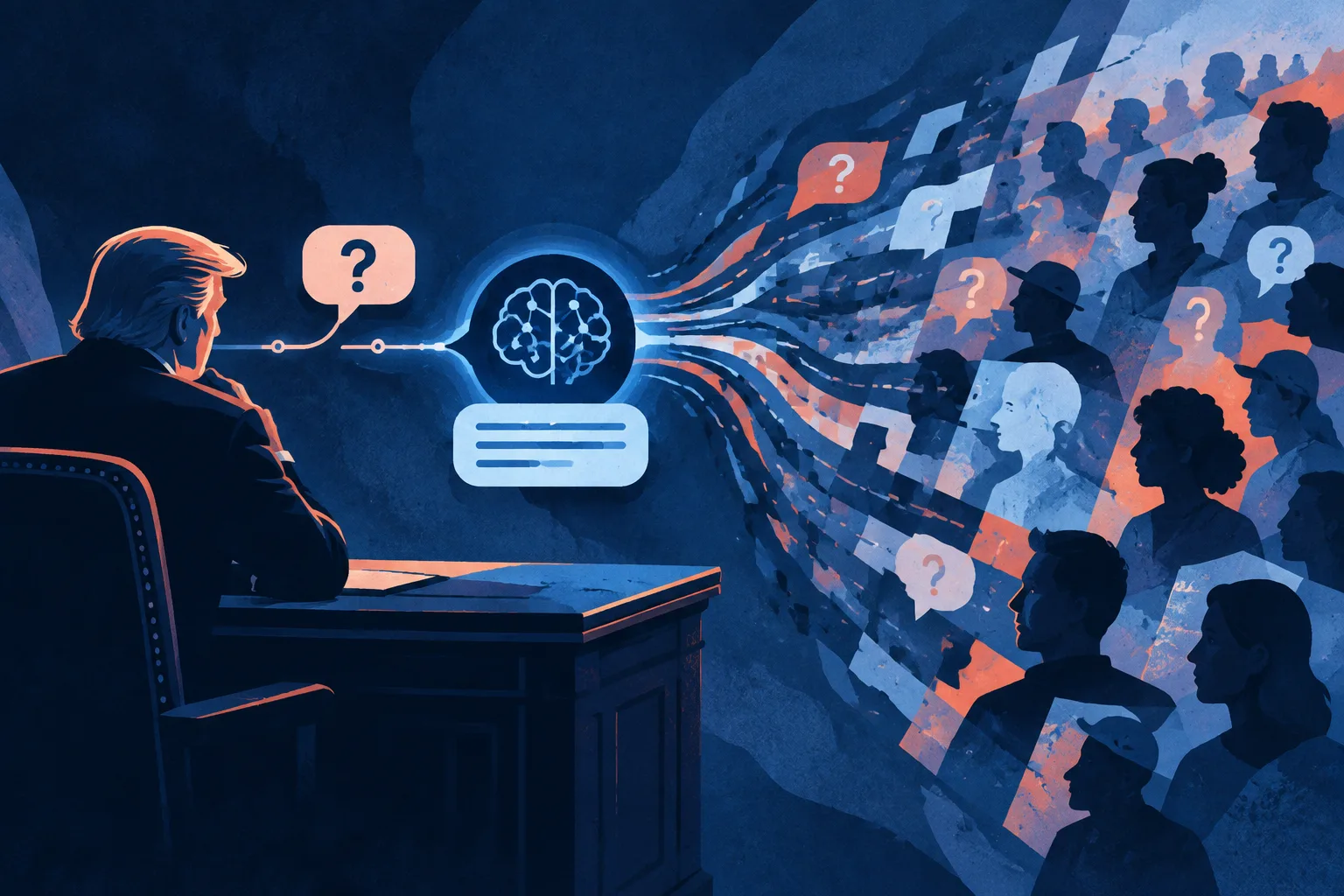
The conversation came amid an escalating U.S. campaign. TechCrunch noted that Trump had begun ordering military strikes against Venezuelan boats in September, alleging that the vessels were connected to drug trafficking. Reports at the time also described members of the public questioning Grok about those strikes and Venezuela’s political conditions, giving the model a stream of related user activity before the presidential discussion.
After the invasion, celebrations did occur, and the source told Time that Trump concluded Grok had been remarkably capable. That sequence does not demonstrate that the chatbot caused the decision to invade or accurately represented opinion across Venezuela. It does, however, raise questions about how general-purpose AI output may be interpreted when senior officials are considering military and political consequences.
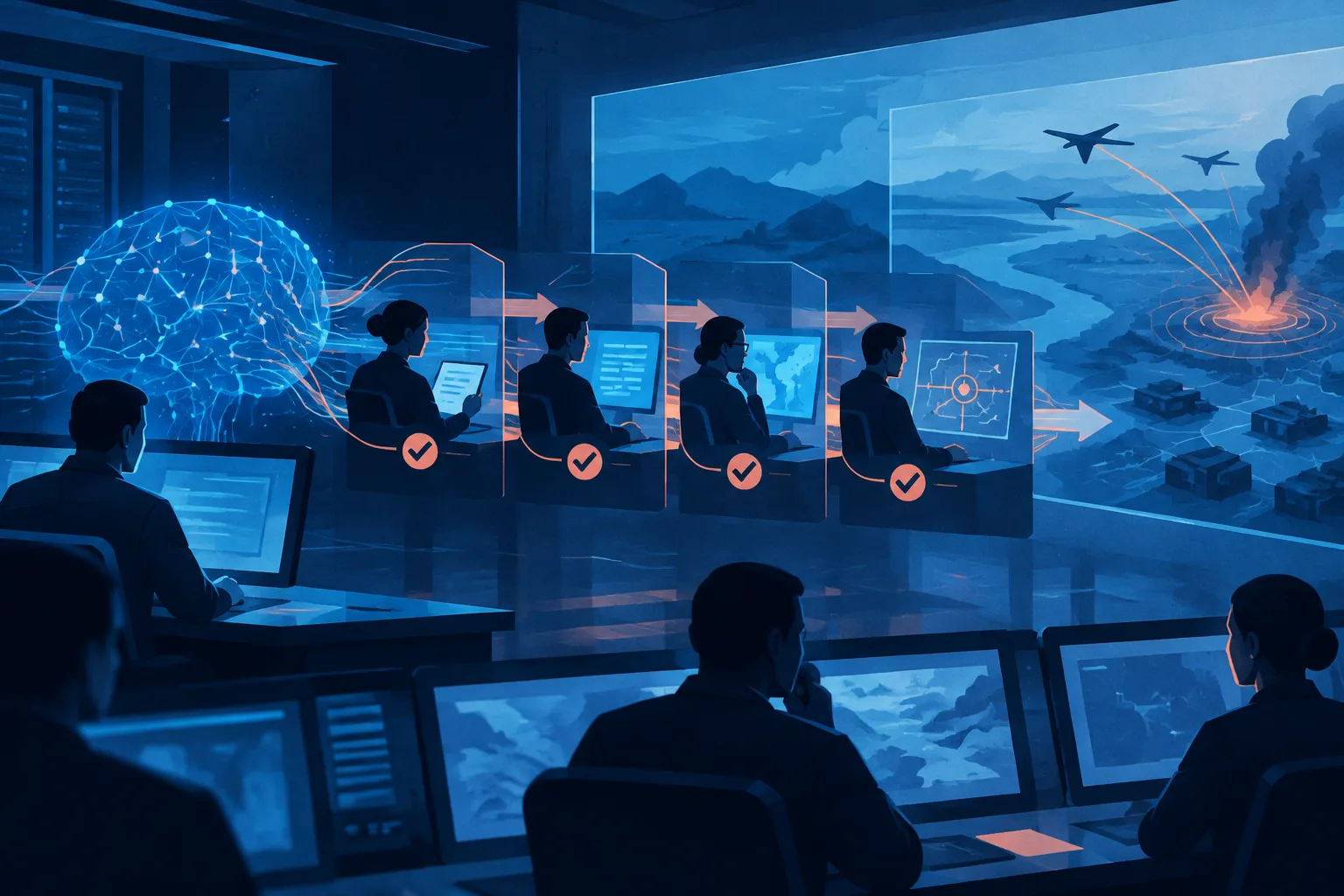
The episode was not the only reported intersection between Grok and U.S. military operations. TechCrunch said the Pentagon’s artificial intelligence chief stated in June that Grok Gov had been used to deploy and strike targets during the Iran War. The report also noted that Grok is not the Defense Department’s only AI supplier: OpenAI has an agreement with the department, while Anthropic has disputed how its systems may be used for military intelligence and warfare.
The administration may give Musk an additional role in shaping battlefield technology. TechCrunch reported that the Pentagon announced earlier in the same week that Musk and Anduril founder Palmer Luckey would co-lead a study of how advanced technology is currently used, and could be used, in combat. The reported assignment could make questions about model reliability, human review and accountability more pressing, although the article did not specify the study’s authority or final scope.
For now, the central claim remains a reported account of a private meeting, not a public transcript of Trump’s exchange with Grok. Even with that limitation, the story illustrates a new policy problem: conversational AI can deliver a confident answer in moments, while the evidence, assumptions and uncertainty behind that answer may remain difficult for decision-makers or the public to examine.
Comments
Loading comments…