
Persona, a new personal AI assistant startup founded by Cal AI co-founder Zach Yadegari, has raised $10 million and is preparing a wearable companion for its software. TechCrunch reported on October 8 that Vine Ventures led the round, with participation from Z Fellows founder Cory Levy and Collective Global.
The company is entering a fast-forming market for consumer agents that aim to handle everyday tasks across services. Persona is being positioned alongside products such as Instinct, Meta’s Muse and Amazon-owned Bee, according to TechCrunch. Its planned hardware is a $179 wristband that is expected to become available in December.
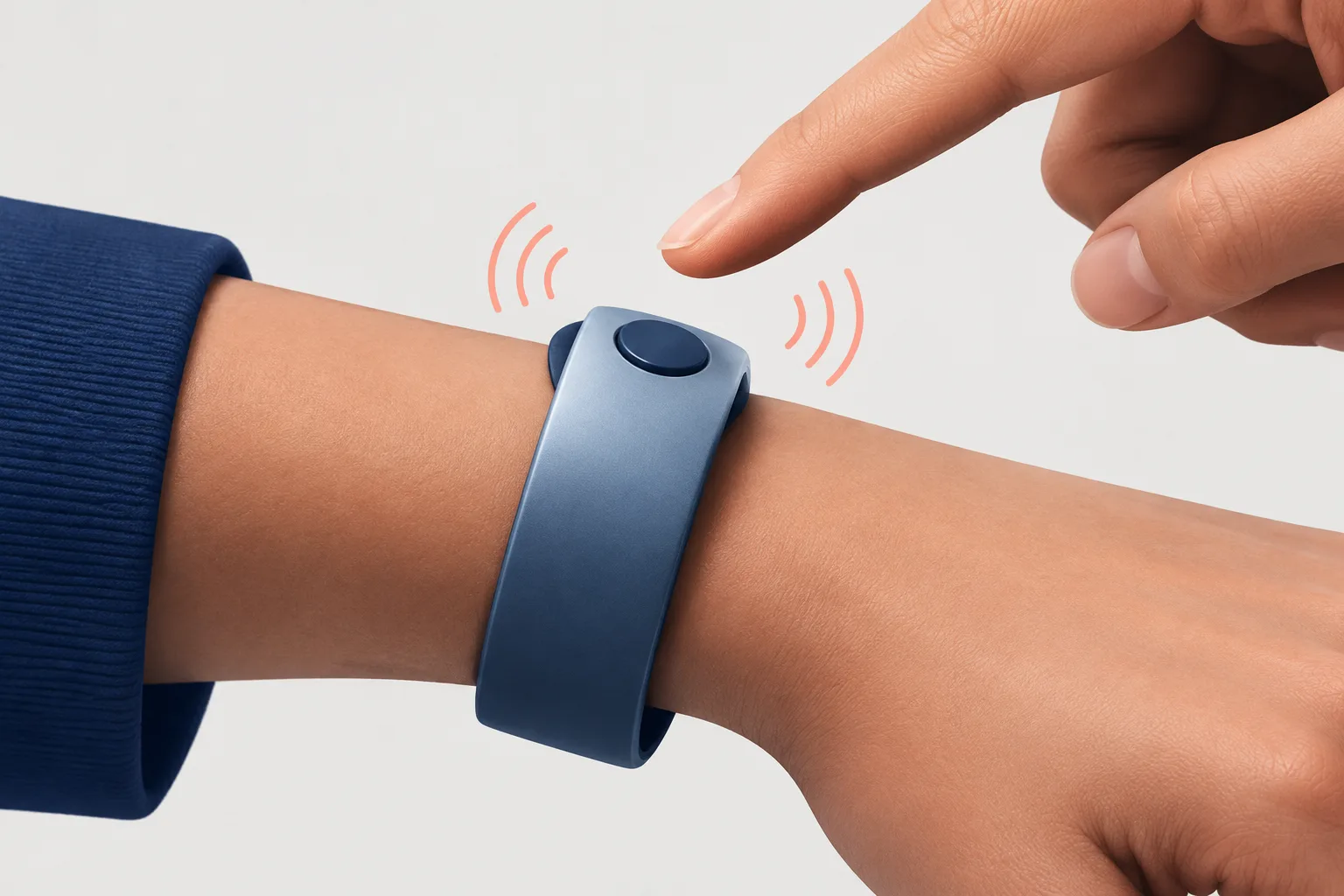
Persona’s band is designed to avoid continuous ambient recording. Yadegari told TechCrunch that users will activate the assistant by pressing a button or by configuring a wrist-flick gesture. That makes the device’s listening state more deliberate than wearables that are designed to capture sound throughout the day.
The privacy design still depends on remote infrastructure. Persona does not run its model or keep user data on the wearable itself; information is sent to the company’s cloud, where the model operates. The company says data will be encrypted while moving between systems and while stored, and that users will be able to delete it.
Persona also says conversations will remain private and will not be sold to advertisers or data brokers. The startup is building defenses against phishing and prompt-injection attacks, TechCrunch reported. Yadegari further said the assistant will not see a user’s credit-card details, and purchases will require approval before external payment providers such as Stripe Link complete them. These are company claims described in the report, not independent security test results.

The business model nevertheless includes advertising. Yadegari said Persona plans to surface sponsored products during shopping research while keeping the assistant unaware of which results are paid placements. The stated aim is for recommendations to reflect user preferences even when some matching products are sponsored. How clearly those placements will be labeled or how the separation will perform in practice was not detailed in the report.
Before the wristband ships, Persona is operating as a free beta through iMessage. Yadegari told TechCrunch that the beta has attracted a few thousand users and that wristband preorders have already produced five figures in revenue. An application is also under development.
The company says the assistant can order food and rides, take notes, arrange travel, answer questions and work with email. Yadegari’s larger thesis is that many separate phone utilities will consolidate into a single AI-driven service that can eventually anticipate needs. For now, Persona’s consequential test is narrower: whether a young startup can combine a cloud agent, an intentional listening control and sponsored commerce without weakening the trust its product requires.
Comments
Loading comments…