OpenAI must give Apple expedited access to selected hiring records in the trade-secrets lawsuit Apple filed against the AI company in July. TechCrunch reported on October 13 that U.S. District Judge Edward Davila authorized discovery covering materials tied to interviews with former Apple employees, putting part of OpenAI’s recruiting process inside a legal dispute over confidential technology.
The order reaches interviews conducted for roles in OpenAI’s consumer hardware and robotics groups. According to TechCrunch, the applicants at issue previously worked for Apple, and the interviews took place as OpenAI develops a consumer hardware device. The report describes that device as rumored and potentially positioned as an alternative to smartphones, but neither the ruling nor the article establishes its final design, release date, or commercial role.
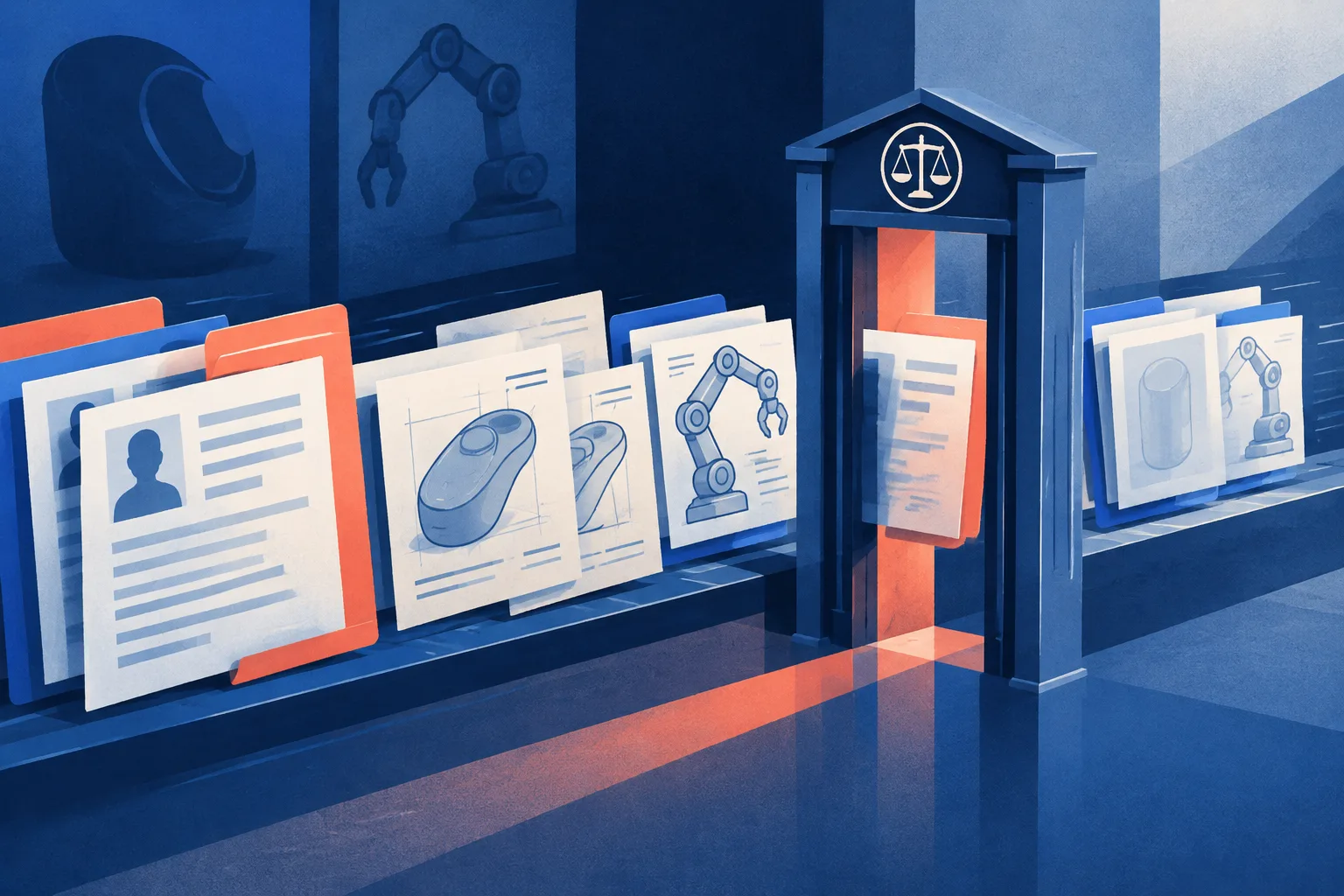
Apple may inspect several categories of interview material. TechCrunch says the covered records could include checklists, guides, instructions, manuals, scripts, technical presentations, and documents showing whether interview discussions referred to Apple technology or components. The scope makes the interview process itself a source of evidence, rather than limiting discovery to whatever the former employees later created at OpenAI.
The timetable is unusually direct. OpenAI has five days to produce materials it has already collected and 14 days to provide other responsive records, the report says. Davila also allowed Apple to obtain private messages exchanged through LINE between people named in the case, including OpenAI employees Chang Liu and Alyssa Peng.
The judge approved depositions of Liu and Peng, as well as OpenAI chief hardware officer Tang Yew Tan. TechCrunch reports that all three previously worked for Apple. Those rulings give Apple access to both documents and testimony, but they do not establish that any of the individuals took or used confidential information.
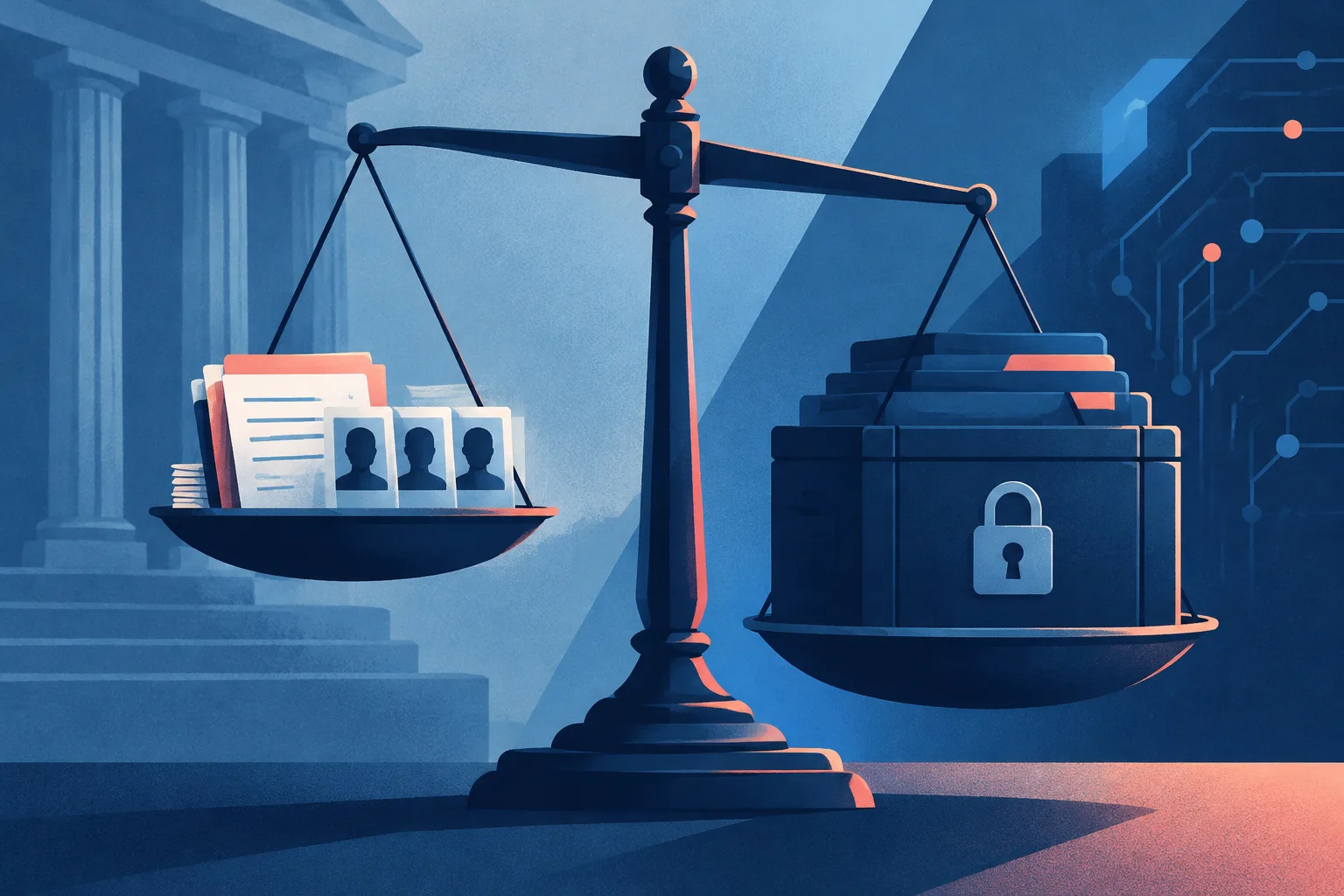
Davila did not approve Apple’s entire expedited-discovery request. The judge declined to accelerate access to OpenAI research and development concerning areas such as metal finishes and power management. He also rejected broader demands for OpenAI hardware research and for information about work former Apple employees produced after joining OpenAI. TechCrunch says the judge left Apple an opportunity to narrow those requests and return to the court.
Apple’s underlying complaint alleges a pattern of theft by former employees and says some used Apple laptops to download confidential files concerning unannounced technology, product features, technical specifications, engineering presentations, and proprietary project data. Apple also alleges that former employees at OpenAI advised other prospective recruits about what information to bring to interviews. These remain Apple’s allegations; the discovery order reported by TechCrunch decides what evidence Apple may obtain quickly, not whether OpenAI or any former employee misappropriated trade secrets.
The ruling therefore sharpens the immediate contest without resolving the lawsuit. Apple secured a fast path to a defined set of recruiting records, messages, and depositions, while OpenAI avoided expedited disclosure of broader hardware-development material for now. What those records show—and whether Apple can connect interview practices to its allegations—will depend on evidence that has not yet been made public.
Comments
Loading comments…