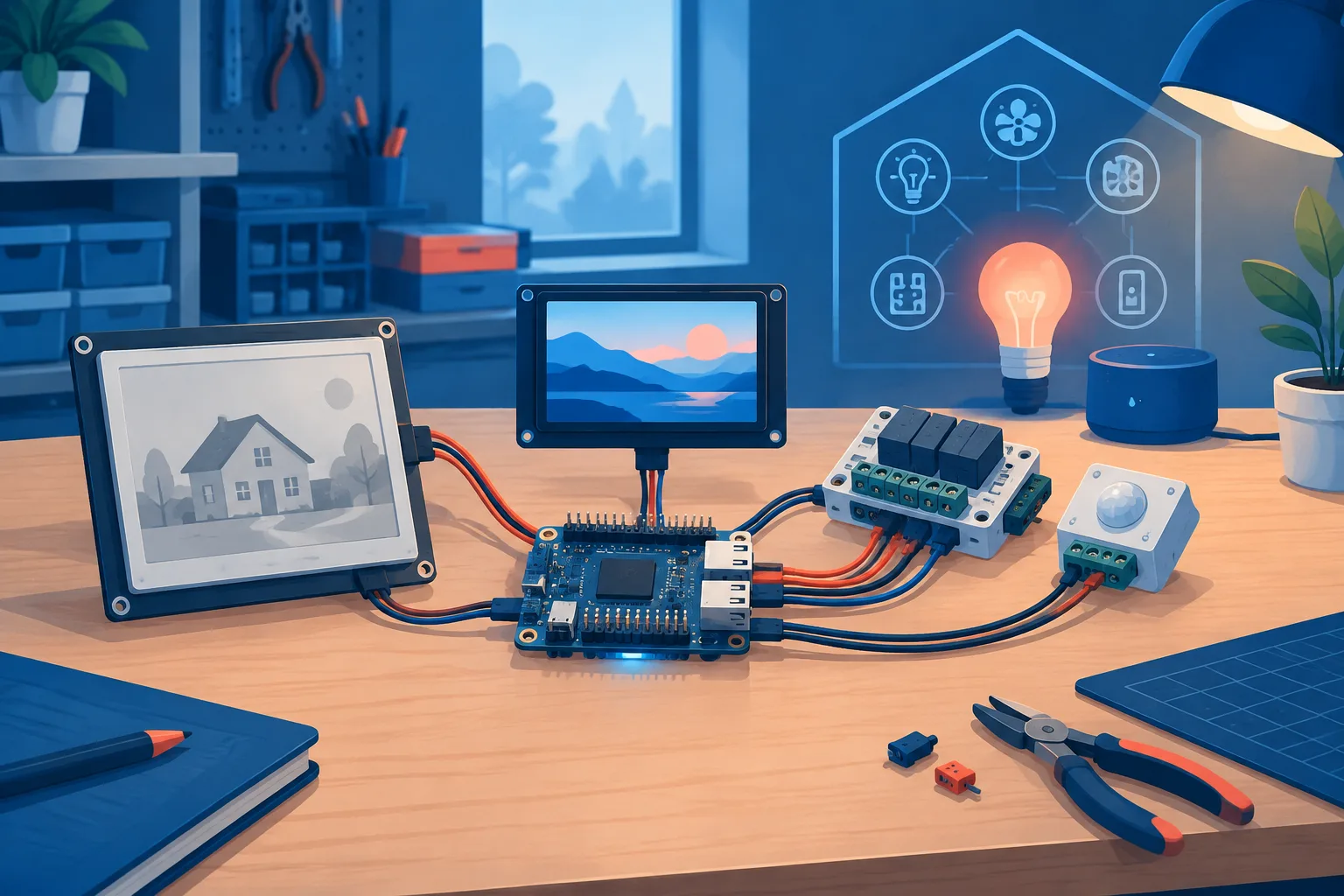
Meta has released open-source code that lets developers and hobbyists build hardware around its Muse AI agent. The Verge reported on October 2 that the program extends Muse beyond software and company-designed products, giving people a route to assemble their own displays and control devices with commonly available computing boards.
The company suggested several possible forms for these projects. A builder could place Muse on a color E Ink screen for reminders, connect it to an HDMI stick so the agent appears on a larger display, or install it on a small touchscreen to create something resembling a homemade version of Meta’s Muse Charm. These are examples rather than finished consumer products described by the report.

Meta says builders can program an off-the-shelf ESP32 board or configure a Raspberry Pi with its software development kits. The resulting system can connect Muse to displays, physical buttons, sensors, actuators, and other components on a workbench. The company also warns participants to proceed at their own risk, signaling that these projects are intended for hands-on experimentation rather than supported plug-and-play use.
Alongside the open-source release, Meta has produced a device called Muse Home Link. According to The Verge, Home Link works with skills created by the community and can let the agent interact with equipment in a user’s environment. The available actions depend on the specific hardware and software configuration surrounding the device.
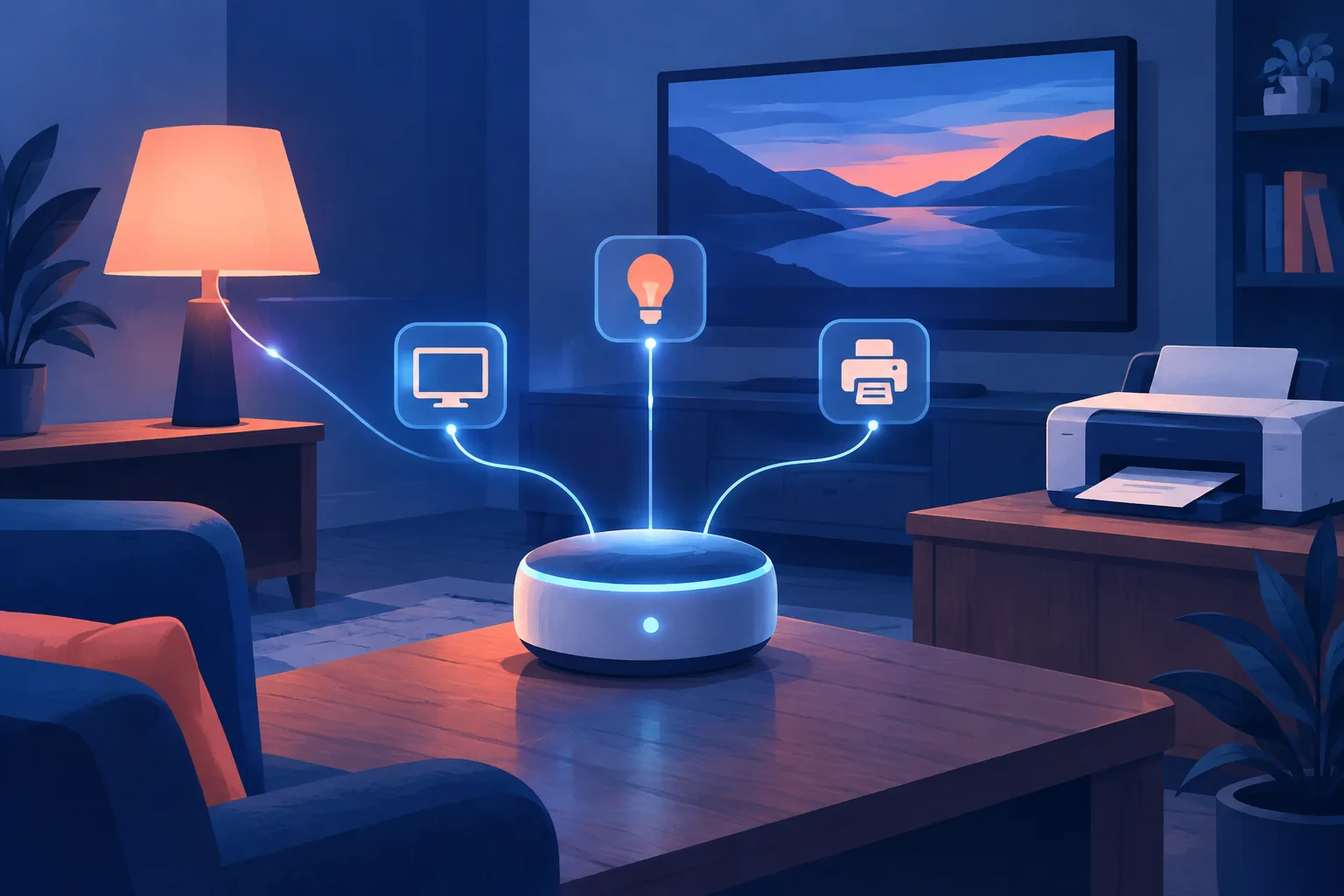
Meta’s examples include switching on a light, controlling a television, and sending a document to a printer. The Verge did not report a complete list of compatible equipment, a technical specification sheet, or details about how permissions and local-network access are managed, leaving the practical limits of those integrations unclear from the announcement.
Nat Friedman of Meta Superintelligence Labs said the company manufactured 5,000 Home Link units. Interested users can join a waitlist, and The Verge reported that shipping is expected sometime in October. The report describes Meta as giving the devices away, but it does not specify how recipients will be selected or whether a broader commercial release will follow. Together, the open-source tools and limited hardware run give Meta two ways to test how people want to place Muse into physical spaces.
Comments
Loading comments…