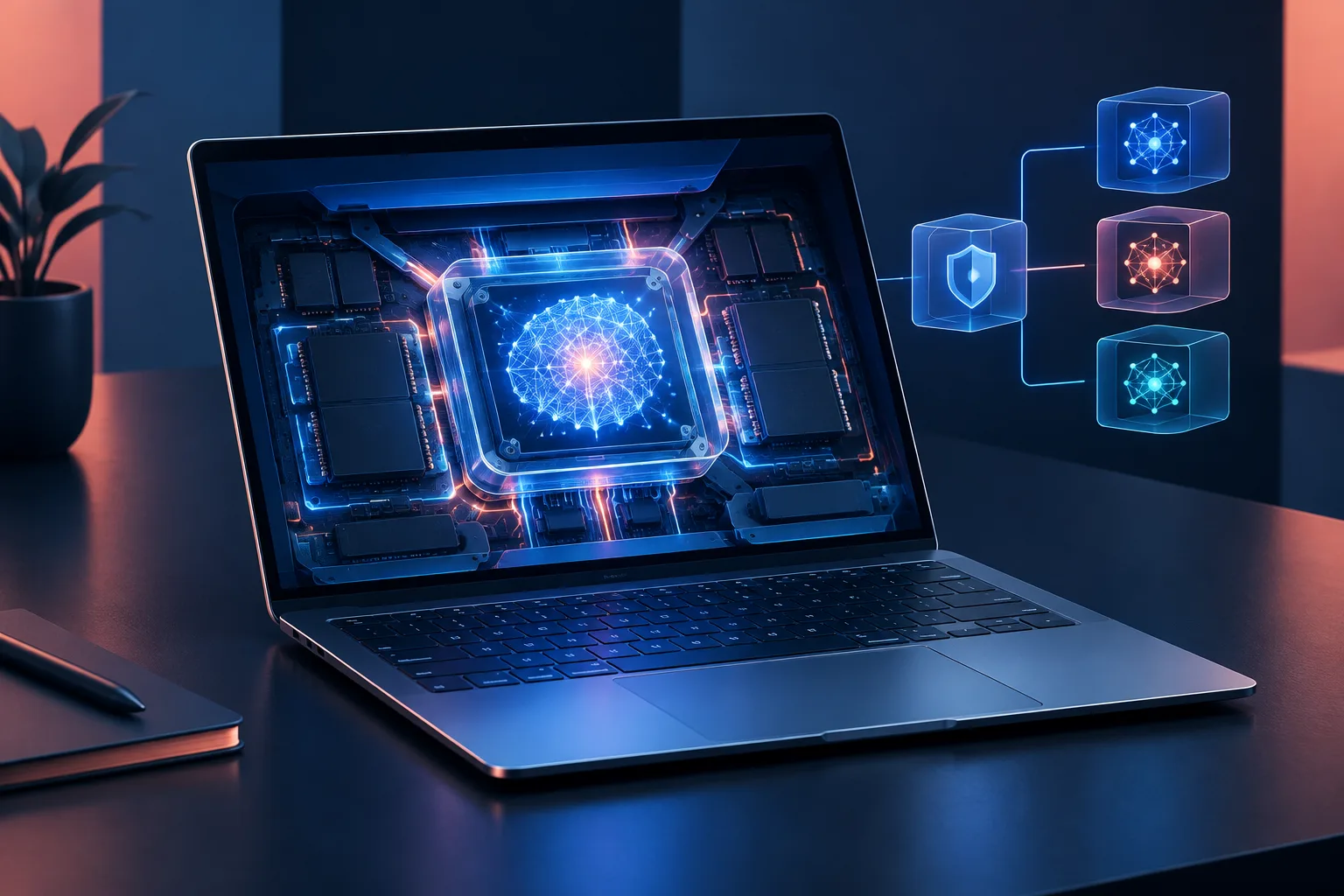
Microsoft has detailed a new generation of Surface computers built around Nvidia’s RTX Spark chips, turning the company’s AI-PC strategy toward locally run models and software agents. TechCrunch reported the launch from a Microsoft event in San Francisco on October 7, where the company disclosed pricing and specifications that had been missing when Nvidia first announced its PC-making partnerships in June.
The central product is the Surface Laptop Ultra. Microsoft is offering two base configurations: one starting at $2,600 and another, with a more powerful chip, starting at $3,700. Buyers can add memory and storage until the price reaches $5,900. Microsoft said the highest-end configuration was already out of stock when TechCrunch published its report.
Microsoft also introduced the Surface RTX Spark Dev Box, a workstation that starts at $6,000. It comes with Microsoft development tools including Visual Studio Code, the GitHub Copilot command-line interface, Windows Subsystem for Linux and PowerShell 7. The bundle makes the intended audience clear: developers building and testing AI systems rather than mainstream laptop shoppers.
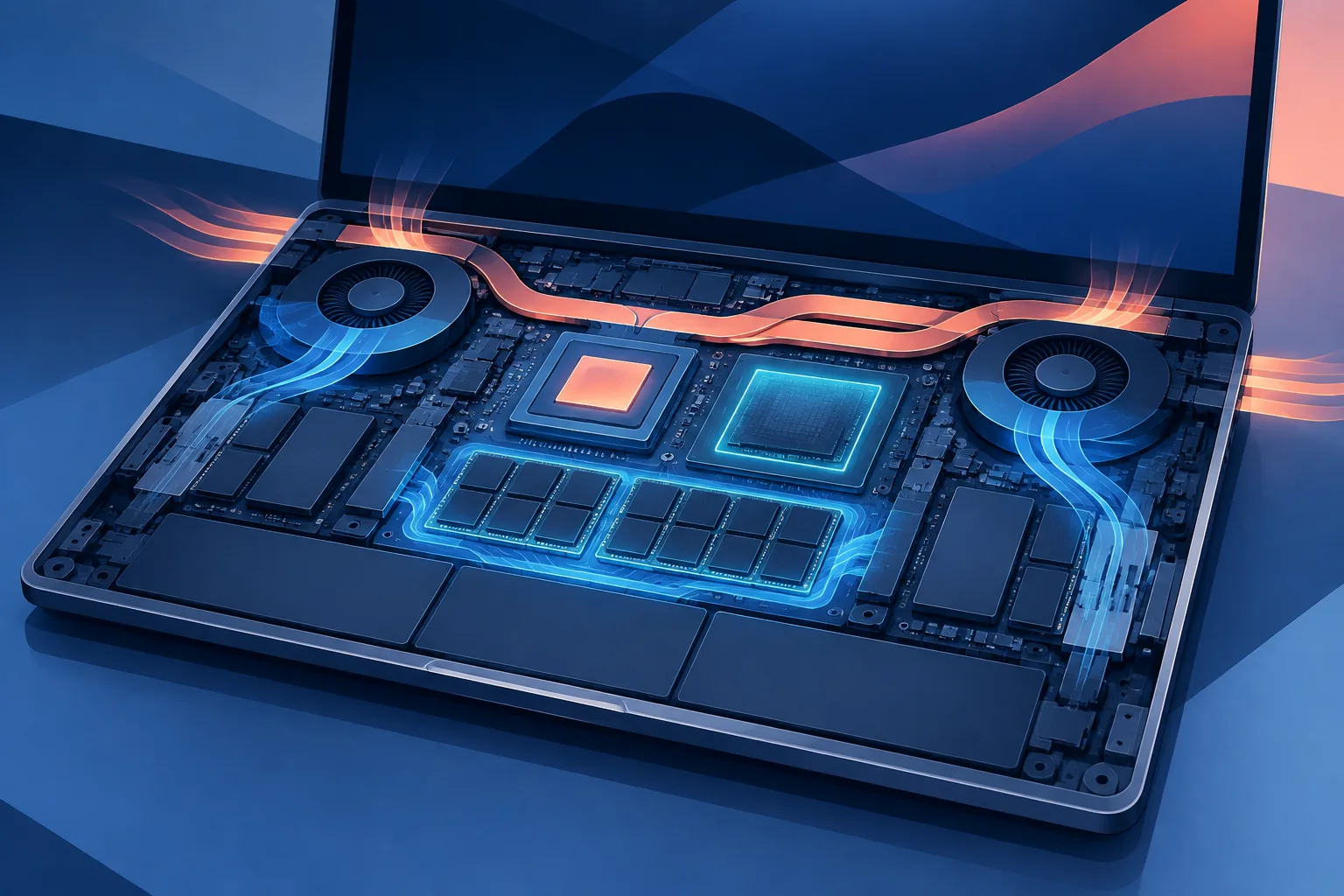
The company’s pitch is that the new machines have the processing and thermal capacity to run AI models locally. TechCrunch said Microsoft emphasized the combination of CPU, GPU, unified memory and enhanced cooling as the hardware foundation for on-device model and agent workloads. Microsoft also presented local operation as free to run, distinguishing the machines from AI services that depend entirely on remote computing.
The hardware arrives with a revised version of Windows 11 that includes a feature called Execution Containers. Microsoft says the feature makes it easier to place AI agents inside sandboxes, limiting their operating environment while they perform tasks. Chief executive Satya Nadella said Execution Containers will be made available to all Windows 11 users, not only buyers of the new Surface devices.
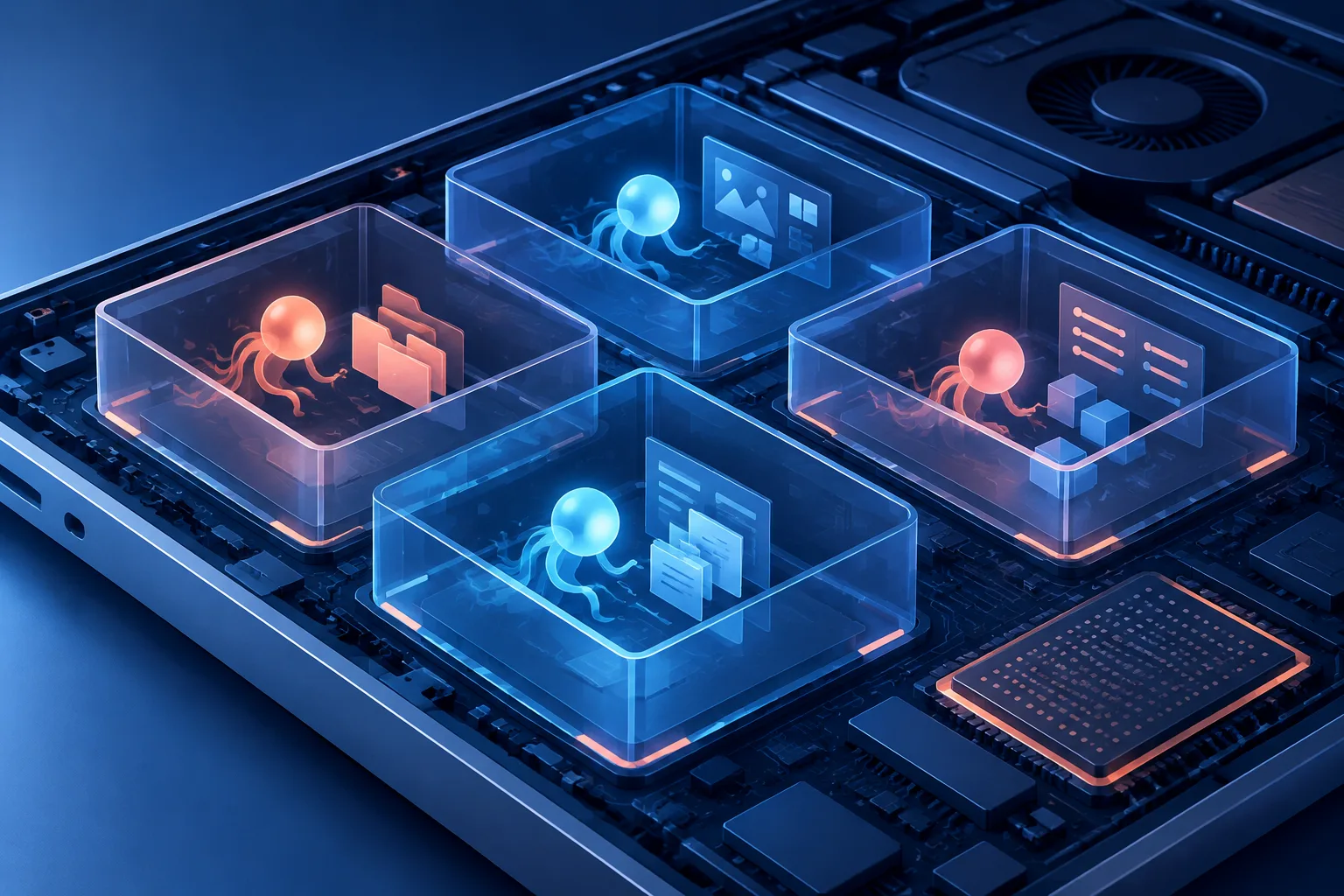
Nadella framed the operating system as an orchestration layer for agent software. He argued that a model alone is insufficient and that useful systems also need external memory, context and a defined space in which to act. Microsoft intends Windows to provide that supporting layer for the company’s own applications as well as agents built by other developers, according to his remarks reported by TechCrunch.
Microsoft is courting developers directly with a trade-in offer worth as much as $1,000 for a MacBook Pro. TechCrunch noted that Apple’s laptops have become common among developers and AI-agent enthusiasts, particularly in Silicon Valley. Microsoft also says the Surface systems’ graphics capability can support content creation, video processing and gaming, although the pricing and bundled tools keep the launch centered on professional users.
The release is part of a broader Nvidia-backed Windows hardware push. Dell separately announced specifications for its XPS 16 Creator Edition using RTX Spark, with a $3,800 price and preorders for delivery later in October. Together, the products test whether developers will pay workstation-level prices to keep more AI work on their own machines. The report establishes the hardware and software strategy, but not yet how well local agents will perform in everyday use.
Comments
Loading comments…