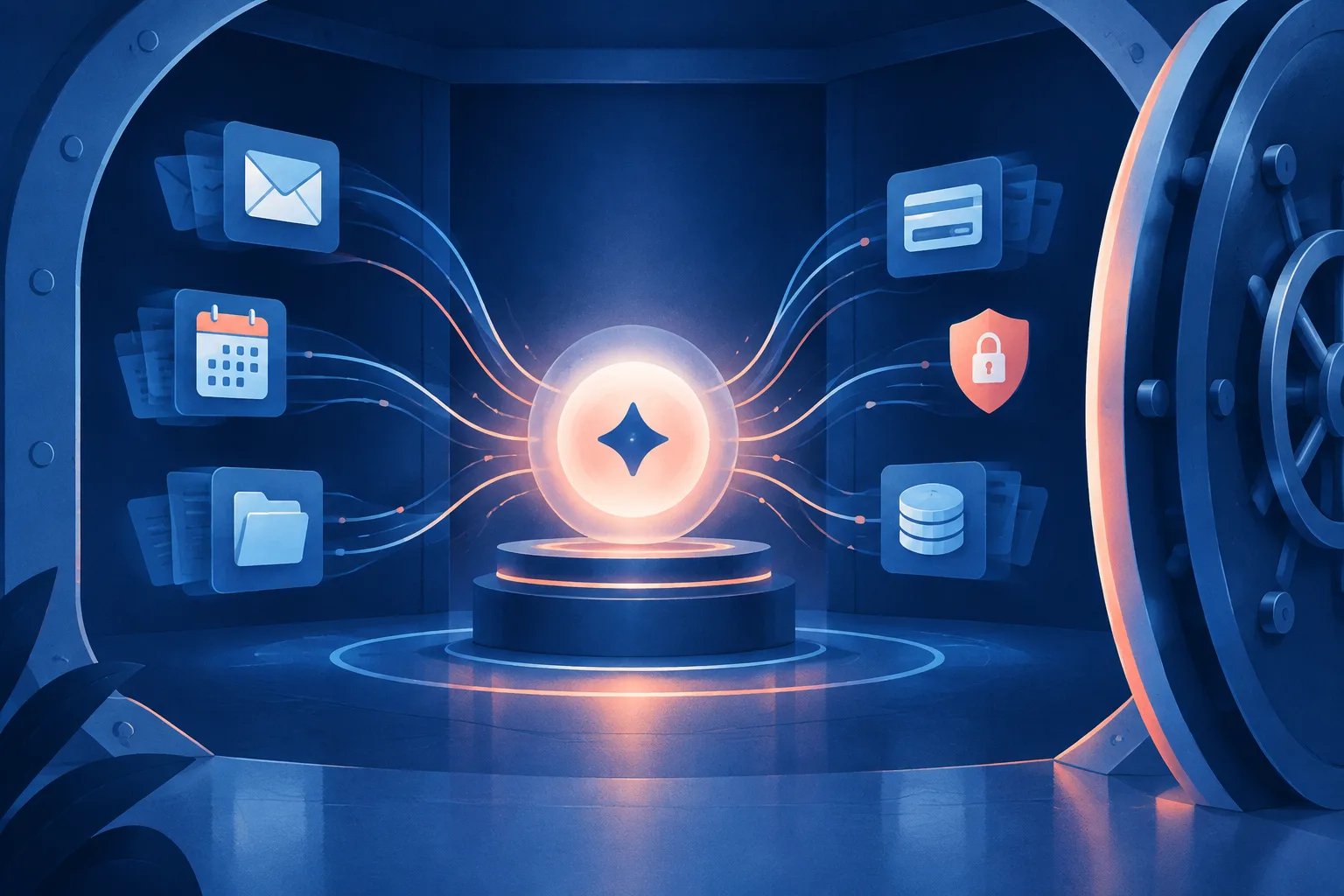
Hark is entering the crowded race to build an AI personal assistant with a pitch that combines unusually broad computer access and an explicit promise of privacy. TechCrunch reports that the startup has released Hark Pro widely, offering a free tier alongside a subscription for heavier use. The product is meant to do more than answer questions: Hark says it can operate a user’s computer, complete tasks across services and surface work before the user asks for it.
The company was founded less than a year ago by serial founder Brett Adcock. Its stated mission is to build the interface for AI rather than artificial general intelligence itself. At the center of that effort is a model trained specifically for computer use, which Hark presents as the foundation for an operating system for AI computers instead of another assistant confined to a single app or chat window.
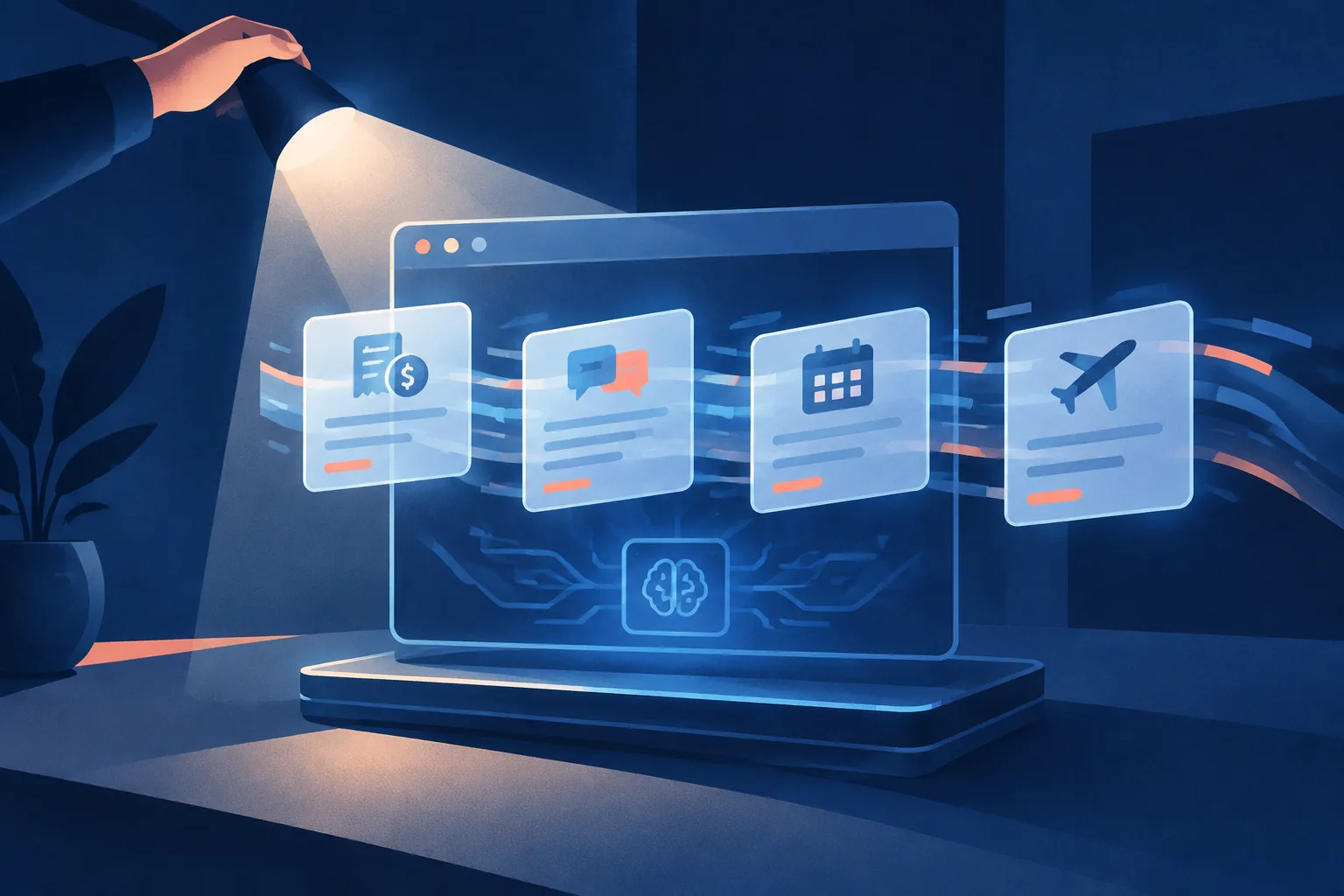
That ambition is visible in Hark Pro’s design. TechCrunch describes a full-screen home page built around a central chat box, a feed of proactive prompts and small dashboard-like panels. The background changes with factors such as weather and time of day. Users can configure access to email, calendars, a hard drive and credit cards, allowing the assistant to answer questions as well as take actions across a person’s digital life.
In a demonstration, Hark design leader and former Apple staffer Abidur Chowdhury showed the system surfacing expenses that needed approval, emails awaiting replies, an upcoming meeting and a flight-booking task. The company also said the assistant recognized that a colleague needed to renew a car registration and completed the process through California’s motor-vehicle website. Those examples are company demonstrations and anecdotes, not independent evidence of how reliably the system performs across users and websites.
Hark tries to make that autonomy legible by showing its web navigation in a small window while it works. The design choice addresses a basic problem for agents that click, type and submit information on a user’s behalf: people need some way to understand what the system is doing before they trust it with consequential actions. A visible activity window may help, though TechCrunch’s report does not establish how much control users retain when a task goes wrong or encounters an ambiguous decision.
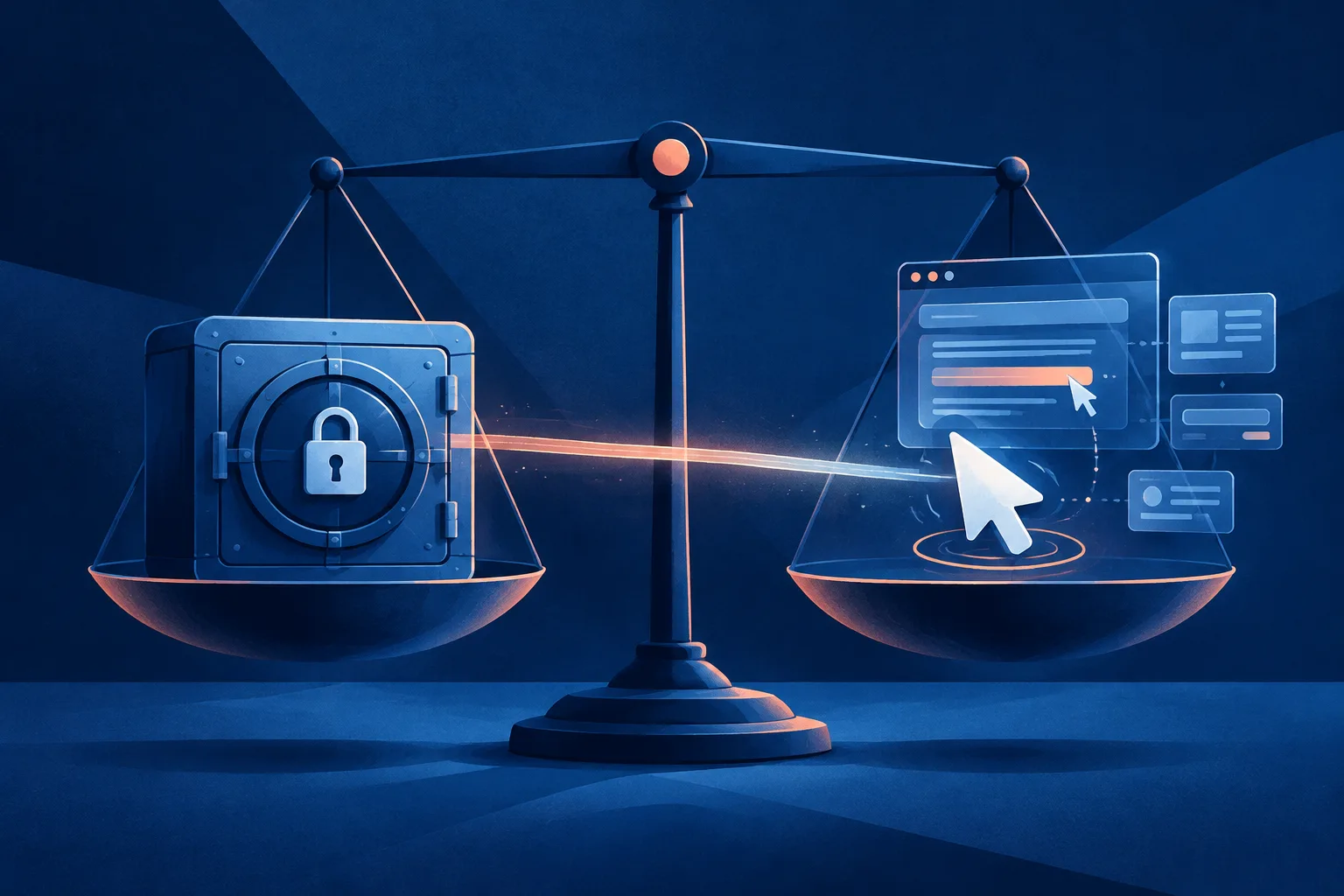
Privacy is the other half of Hark’s argument. Chowdhury contrasted the company with large platforms whose businesses depend on advertising or extensive data collection, and said the product’s understanding of a user is tied to completing tasks. Yet Hark’s own feature set requires access to some of the most sensitive parts of a digital life. The promise is therefore not that the assistant knows little, but that it will use what it knows narrowly and responsibly. TechCrunch did not detail independent audits, technical safeguards or data-retention policies that would let users evaluate that promise.
The specialized model also creates a technical question. A system trained for computer use could be faster or cheaper at navigating interfaces than a broad frontier model. It could also give up some of the general knowledge and flexible reasoning those larger models provide. Chowdhury acknowledged that Hark may sometimes be slower than rival assistants such as Muse, while arguing that it delivers better end-to-end completion and requires less takeover by the user. That comparative claim remains to be tested outside the company’s own examples.
Hark says an AI-native device is planned for 2027, but has not revealed its form. Chowdhury rejected the idea that wearable cameras are the inevitable hardware path, pointing to the discomfort created by devices that continuously observe their surroundings. For now, Hark Pro is a test of a more immediate proposition: whether people will grant an assistant enough access to replace much of the familiar computer interface when the product’s privacy assurances, task reliability and failure handling still need to earn trust in everyday use.
Comments
Loading comments…