
Google is adding a real-time visual assistance feature to Gemini Live. The Verge reported on October 1 that Guided Vision is launching on compatible Android devices and uses a phone’s camera to generate spoken descriptions of whatever the user points it toward.
The feature can help read small text, describe nearby surroundings, locate or identify objects, and explain details on a particular item. A user shares the camera through Gemini Live, turning the phone into an interactive audio guide rather than taking a single image and waiting for a static description.

Google designed Guided Vision for people who are blind or have low vision, as well as anyone who wants help in a particular situation. The Verge said it is available through the Gemini app and Google TalkBack. Users can also configure an accessibility shortcut in Android settings on devices running Android 9 or newer.
The interaction continues after the first description. Users can ask follow-up questions about the camera view, such as requesting an expiration date from an item the system helped locate. If the relevant object is outside the frame, Google says Gemini can provide audio cues intended to help the user adjust the camera until it is positioned correctly.
The Verge compared the feature with Apple’s VoiceOver Live Recognition tools on the iPhone and Vision Pro. Guided Vision’s distinguishing workflow inside Gemini Live is conversational: the visual description can become the starting point for additional questions about an object or scene rather than a one-time announcement.
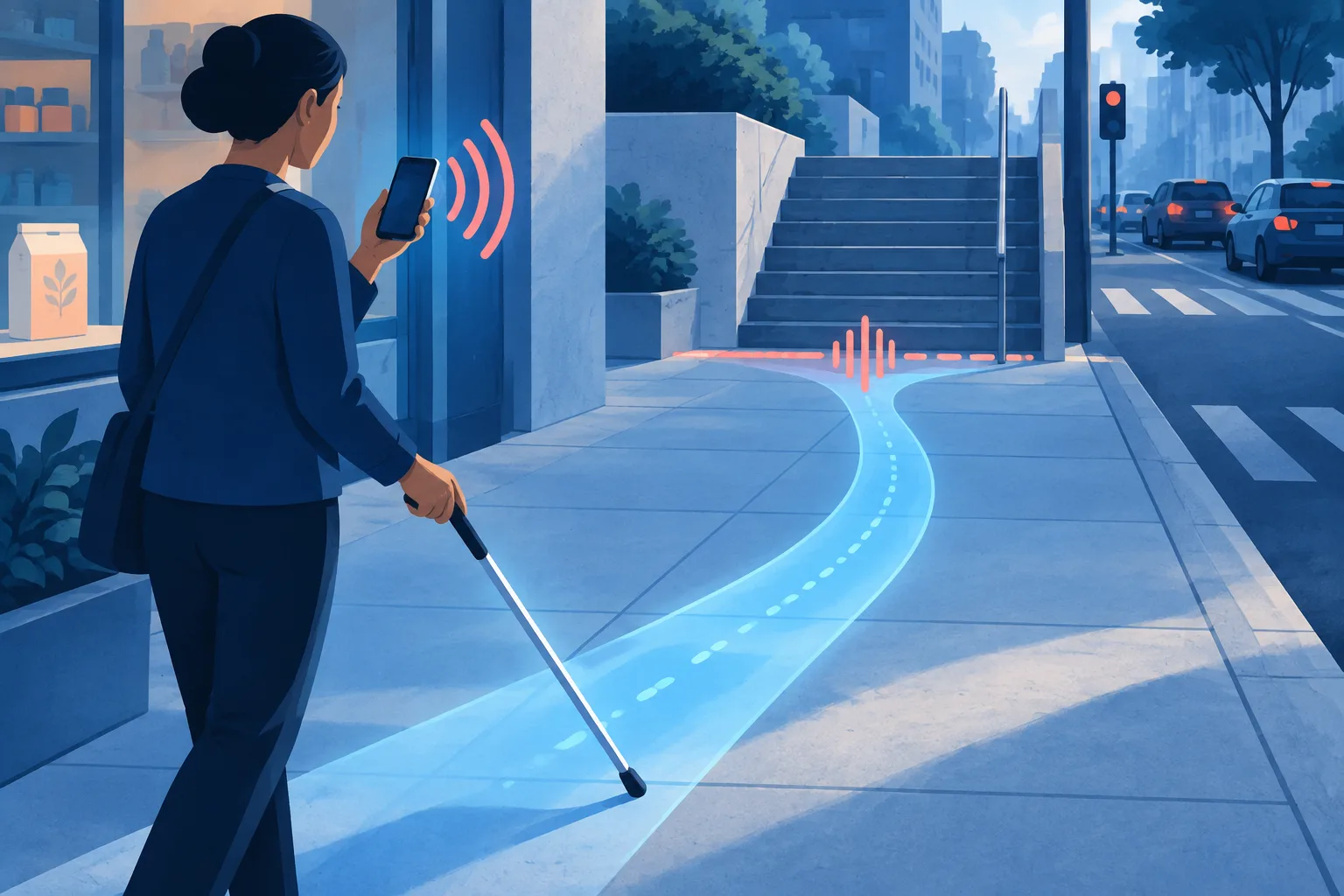
Google also draws a firm line around what the feature should not do. The company warns users not to depend on Guided Vision for navigation, safe-travel guidance, or obstacle detection, and not to treat it as a substitute for a cane or another mobility aid. The launch therefore expands AI-assisted visual access while explicitly acknowledging that a camera-based model is not a safety-critical navigation system.
Comments
Loading comments…