
A Gartner forecast is putting a number on the financial strain beneath the artificial-intelligence infrastructure boom. The Register reported on October 14 that Gartner expects AI providers to spend nearly $1 trillion on infrastructure in 2026, followed by another $6 trillion between 2027 and 2030. The research firm does not expect revenue tied to that capacity to justify all of the planned investment during the same period.
Gartner modeled the returns that AI data-center operators would need to cover capital spending and financing costs. Using a 12 percent return on invested capital as its assumed threshold, the firm calculated that operators would need to generate $8.5 trillion in total revenue. Its forecast for enterprise and consumer AI revenue attributable to those data centers reaches no more than $3.6 trillion.
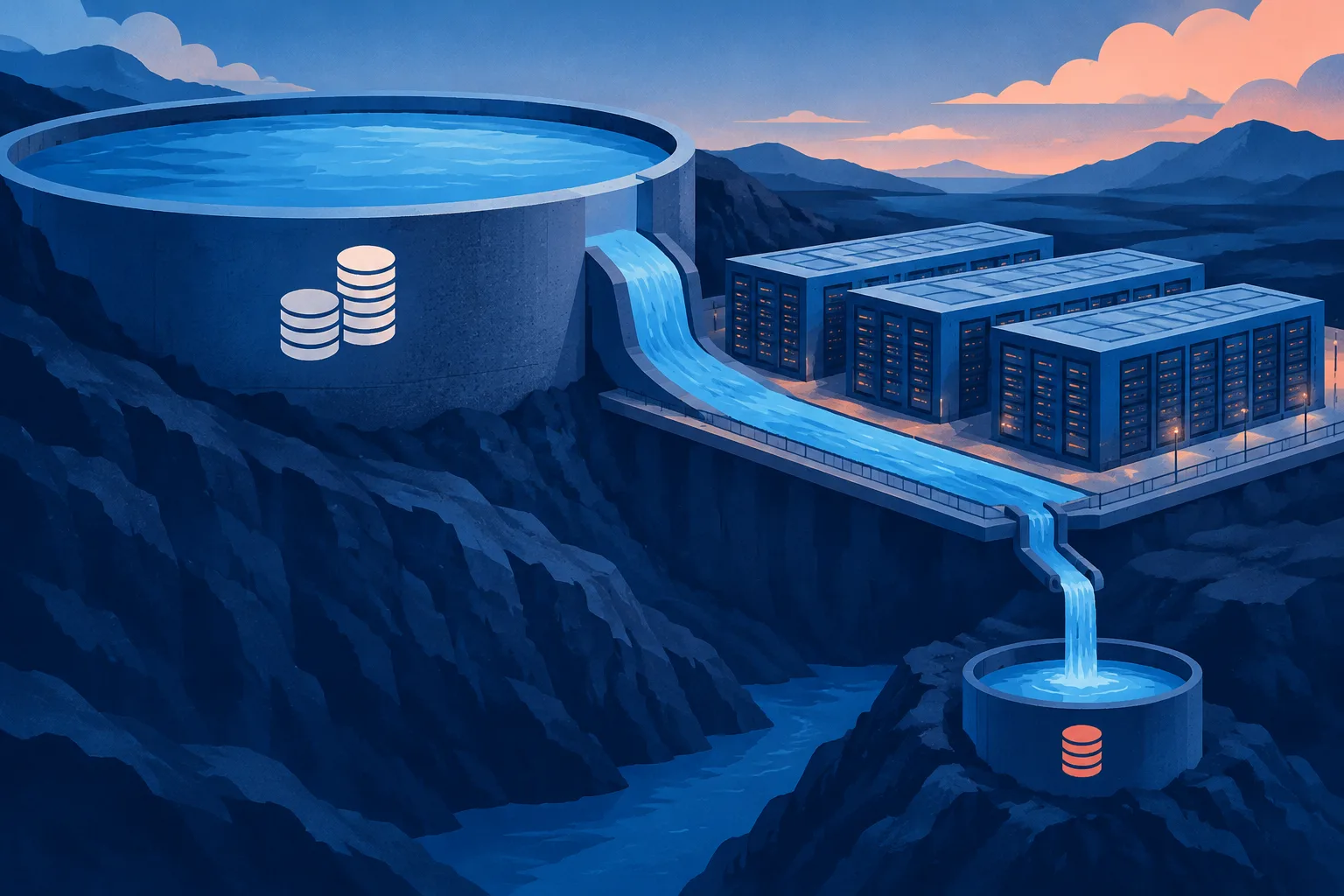
The gap is a forecast, not a realized loss, and it depends on assumptions about spending, financing, utilization, pricing and the pace of AI adoption. Gartner nevertheless concludes that the sector will not generate enough sales to profitably support all planned AI capital expenditure before 2032 at the earliest. If returns fall short, operators may have to reduce the recorded value of assets they no longer expect to recover.
Hardware turnover adds another layer of risk. The Register noted that newer graphics processors can displace older systems, shortening the economically useful life of expensive data-center equipment. Capacity built for premium workloads may therefore lose value before its original financing has been repaid if customers shift to faster or cheaper alternatives.
Gartner expects the pressure to produce a major shakeout among neoclouds, the specialist providers that rent graphics-processing capacity for AI workloads. Its forecast says 80 percent will no longer remain independent companies beyond 2030. That does not necessarily mean every affected provider will disappear: some may be acquired, consolidate with rivals or exit standalone infrastructure services.
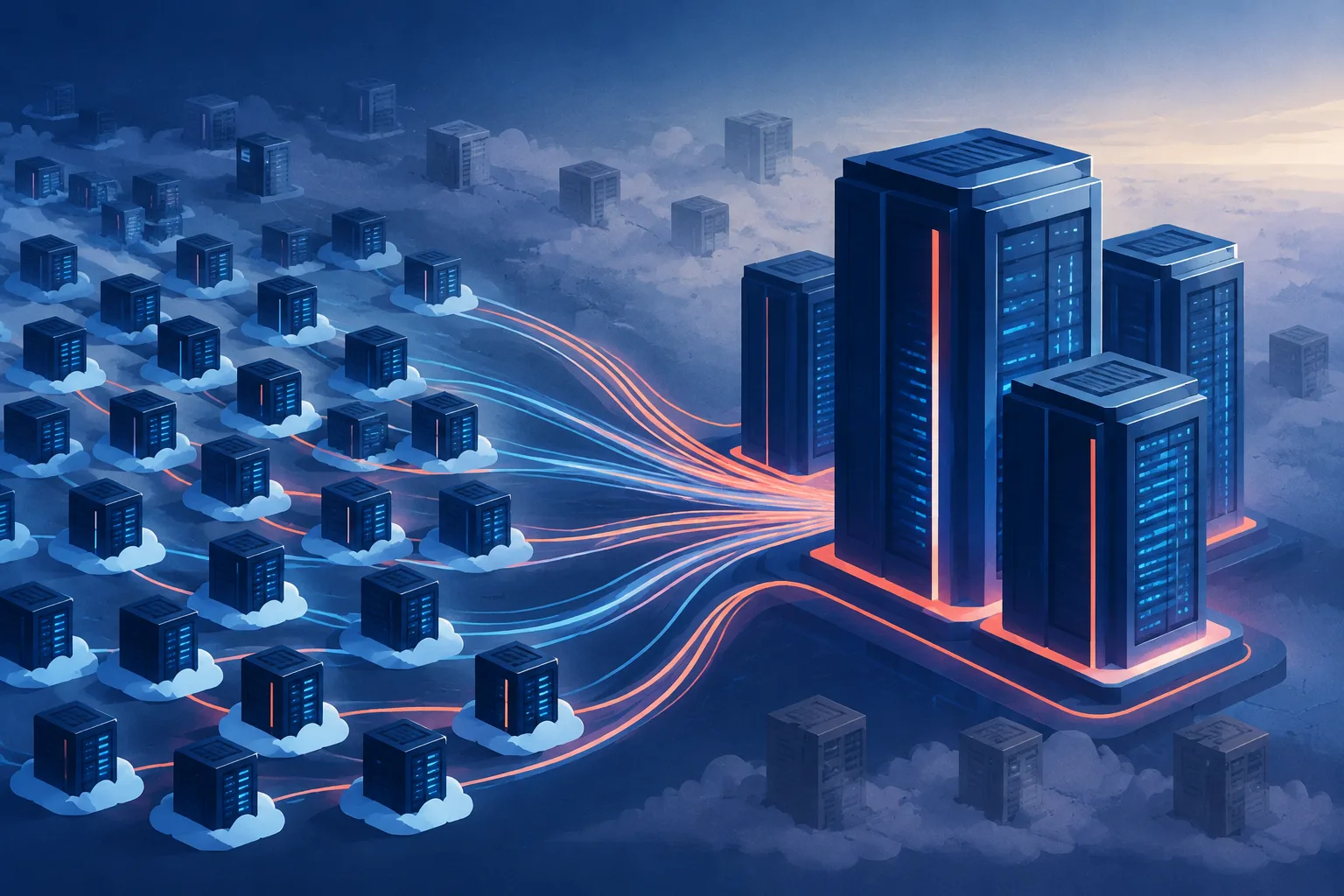
The largest cloud platforms are expected to be more resilient because their businesses extend beyond AI computing. Specialized neoclouds have fewer ways to absorb weak utilization or falling prices. The Register also pointed to an earlier McKinsey warning that these providers need to move into higher-value AI services and diversify rather than compete only as interchangeable sources of GPU capacity.
Other financial signals support the concern without proving Gartner's outcome. The Register reported that some lenders have become more cautious, SoftBank recently faced higher borrowing costs while seeking more OpenAI funding, and Jefferies warned that cheaper open-source and Chinese models could pressure the profitability of developers including OpenAI and Anthropic. Lower model prices could stimulate demand, but they can also make the revenue required to support infrastructure harder to capture.
Gartner's projection joins a broader debate over whether AI demand can grow quickly enough to justify the buildout. Bain & Company has separately estimated that the industry would need $6 trillion in annual revenue by 2031 to sustain the infrastructure expected for anticipated demand, according to The Register. Neither forecast establishes that an industry-wide collapse is inevitable. Both make the same financial test unavoidable: data-center utilization and AI sales must catch up with capital spending before financing costs and aging hardware turn ambitious capacity into write-downs.
Comments
Loading comments…