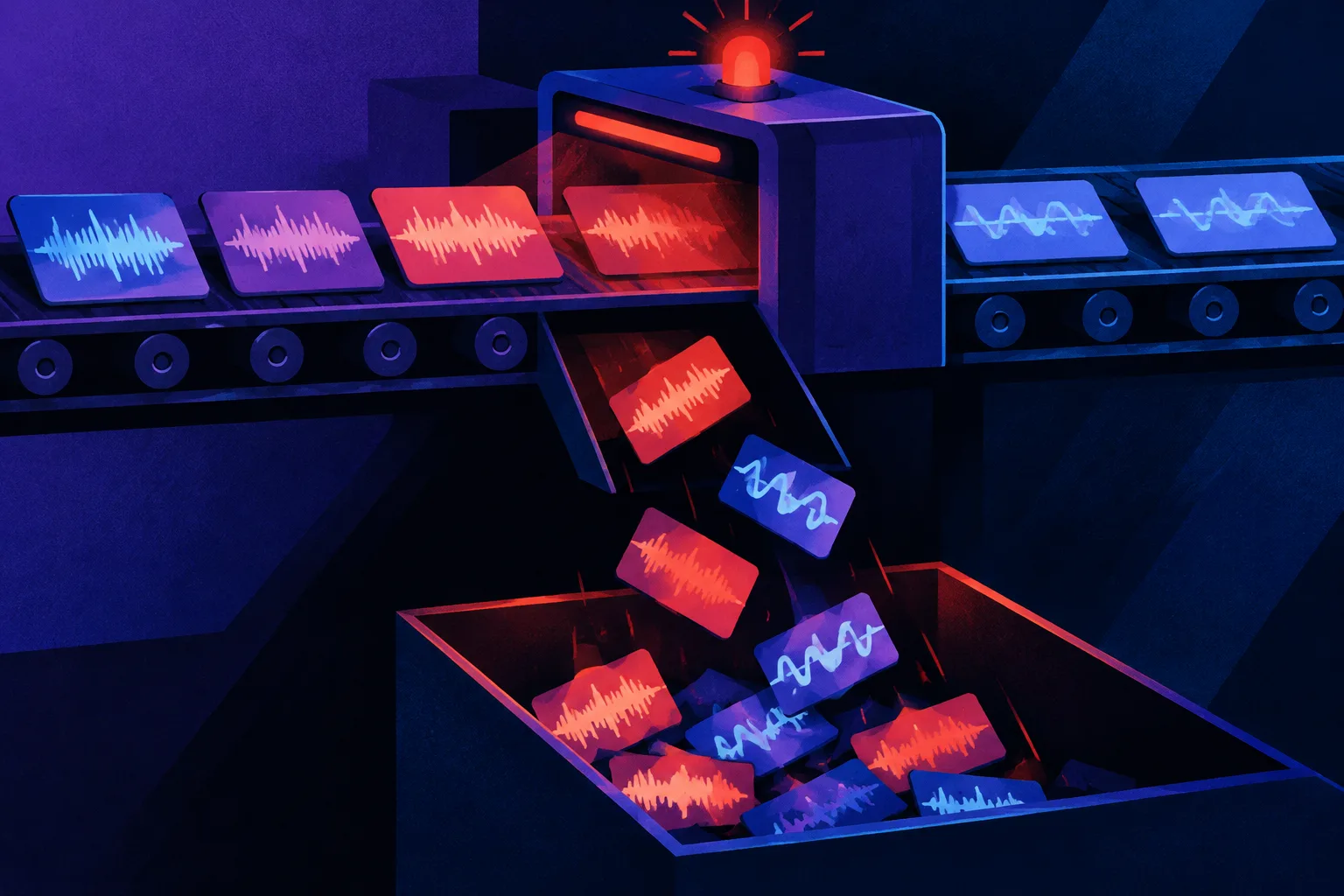
DistroKid has confirmed that it removed a small number of recordings in response to claims made by Universal Music Group, creating a new flash point in the music industry’s effort to control alleged AI-generated infringement. The Verge reports that musicians have complained publicly about songs disappearing from streaming services without advance notice, and some say the affected tracks were created without generative AI.
The removals follow a lawsuit UMG filed against DistroKid in September. According to The Verge, the label accused the distributor of operating what it characterized as a pipeline for low-quality AI music and alleged copyright infringement. DistroKid disputes the allegations, but its response has already reached artists whose work was distributed through the platform. The exact criteria used to select recordings for removal have not been disclosed in the report.
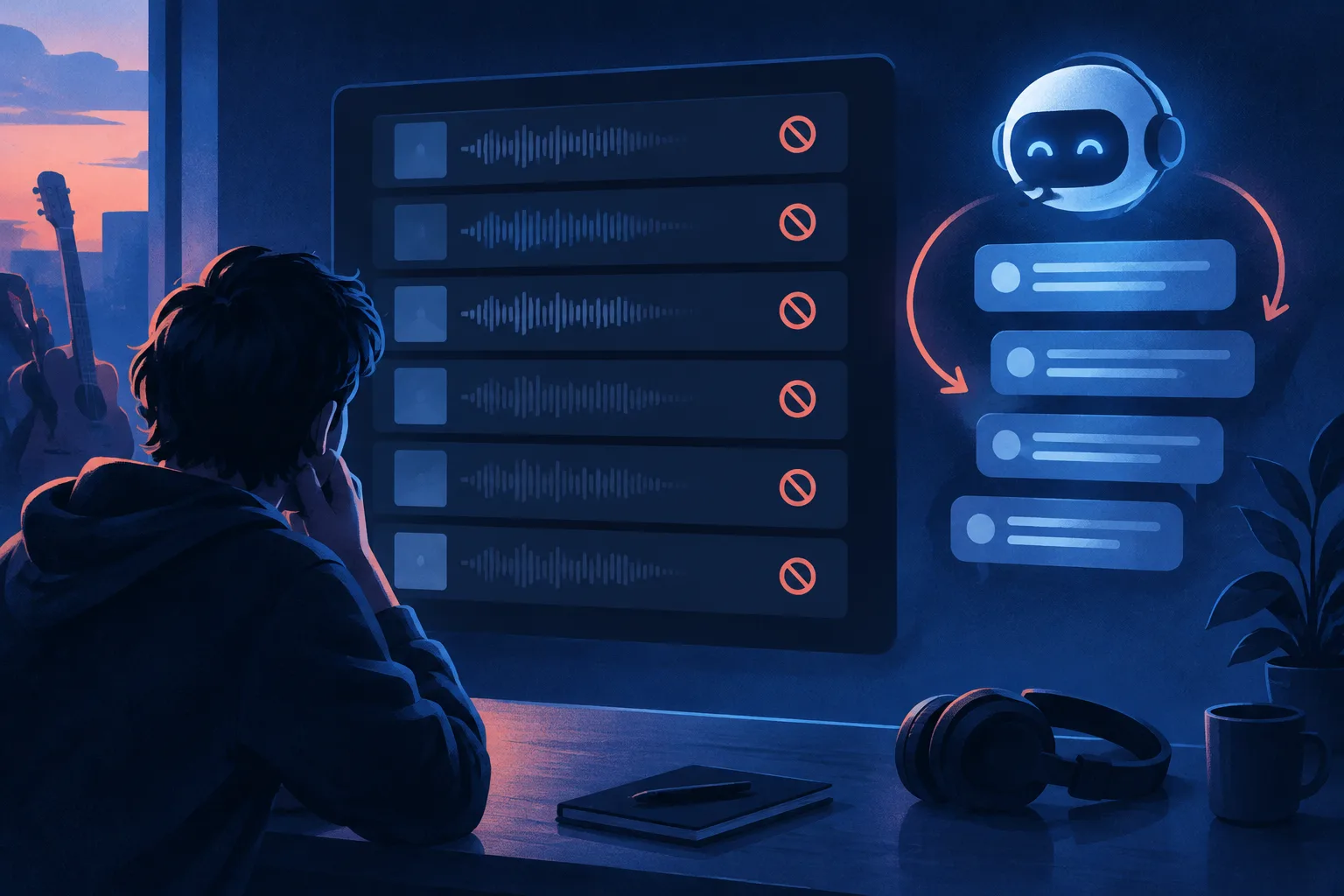
Musician McGwire told followers that six of his songs had been removed from streaming platforms. He said DistroKid did not contact him before or after the takedowns, forcing him to seek an explanation. The Verge reports that reaching a person required him to work through a long exchange with an automated support system before a live representative became available.
McGwire said one removed recording was a cover of Stevie Wonder’s “Isn’t She Lovely” for which he claimed to hold the necessary license. Another used a beat he said he had purchased through a marketplace where other musicians could license the same material. He also disputed an allegation involving an uncleared sample, pointing out that the supposedly sampled song was released two years after his own track. Those assertions are the artist’s account and were not independently verified in The Verge’s report.
Other musicians described similar problems. Nerdcore rapper Insane Ian said an original song was removed without warning and that DistroKid would not explain why. Rapper King Chase told The Verge that an entire album belonging to an artist he worked with disappeared without communication. He said the album had been available for three to four years and had not previously received copyright strikes.
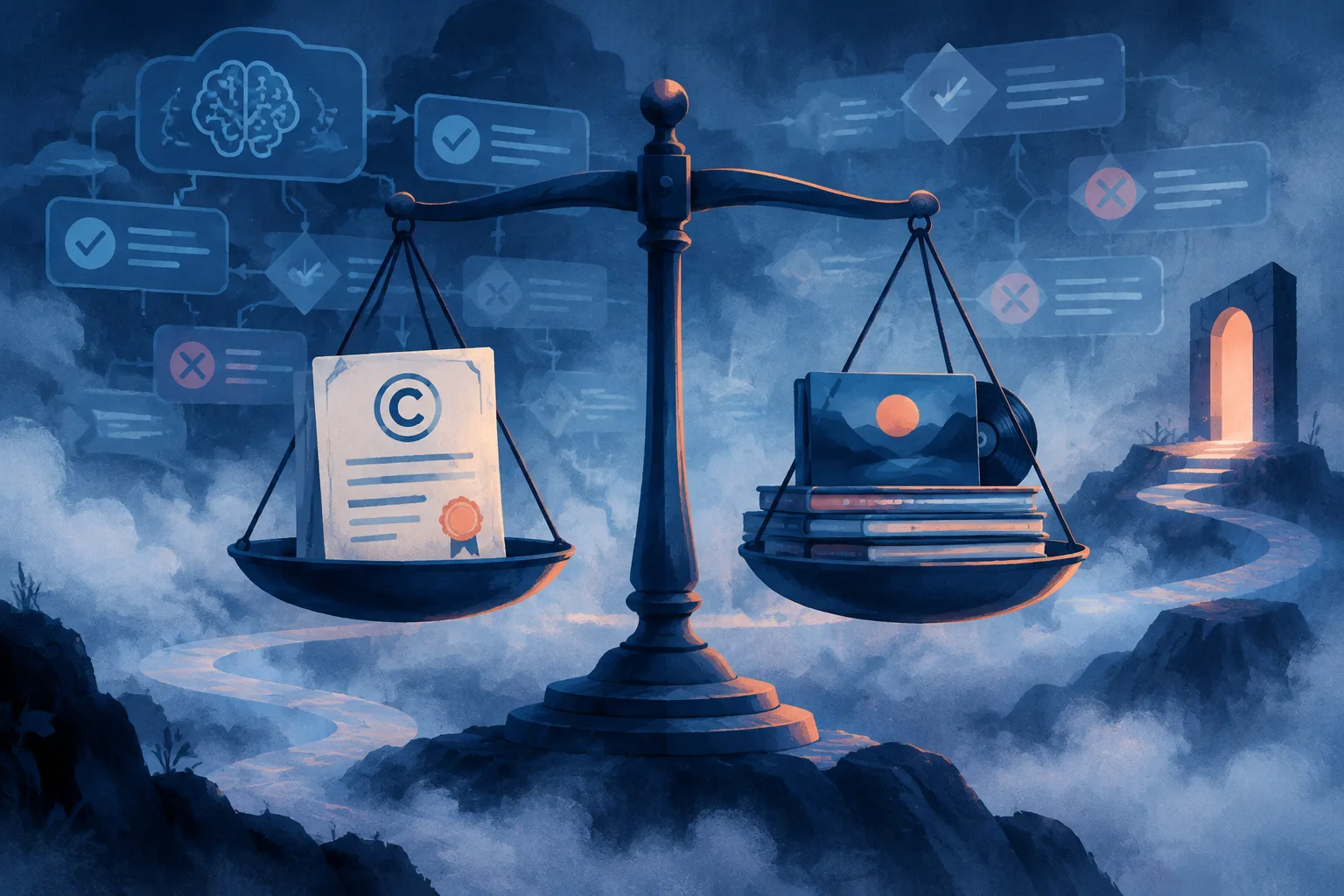
The common complaint is not simply that DistroKid is responding to legal risk. It is that artists say the company is acting without transparent evidence, timely notice or an accessible process for correcting mistakes. Automated distribution made it possible for independent musicians to reach major streaming services quickly; the current dispute shows how the same scale can make removals difficult to understand or contest when enforcement expands.
Amanda Ferri, DistroKid’s vice president of artist services, told The Verge that only a very small number of recordings had been removed because of UMG’s claims. She said the company strongly disputes the lawsuit’s underlying allegations, regrets the disruption and is working to reduce the impact while protecting artists’ ability to release music. The statement did not explain the removal criteria or describe a formal appeals process.
The episode highlights a growing challenge for music platforms: measures intended to limit AI-driven copyright abuse can produce collateral damage when provenance and licensing are hard to verify at scale. UMG’s allegations remain contested, and the musicians’ individual explanations have not been adjudicated. What is already clear from The Verge’s reporting is that enforcement without clear notice and recourse can place legitimate independent artists in the same risk category as the material platforms are trying to stop.
Comments
Loading comments…