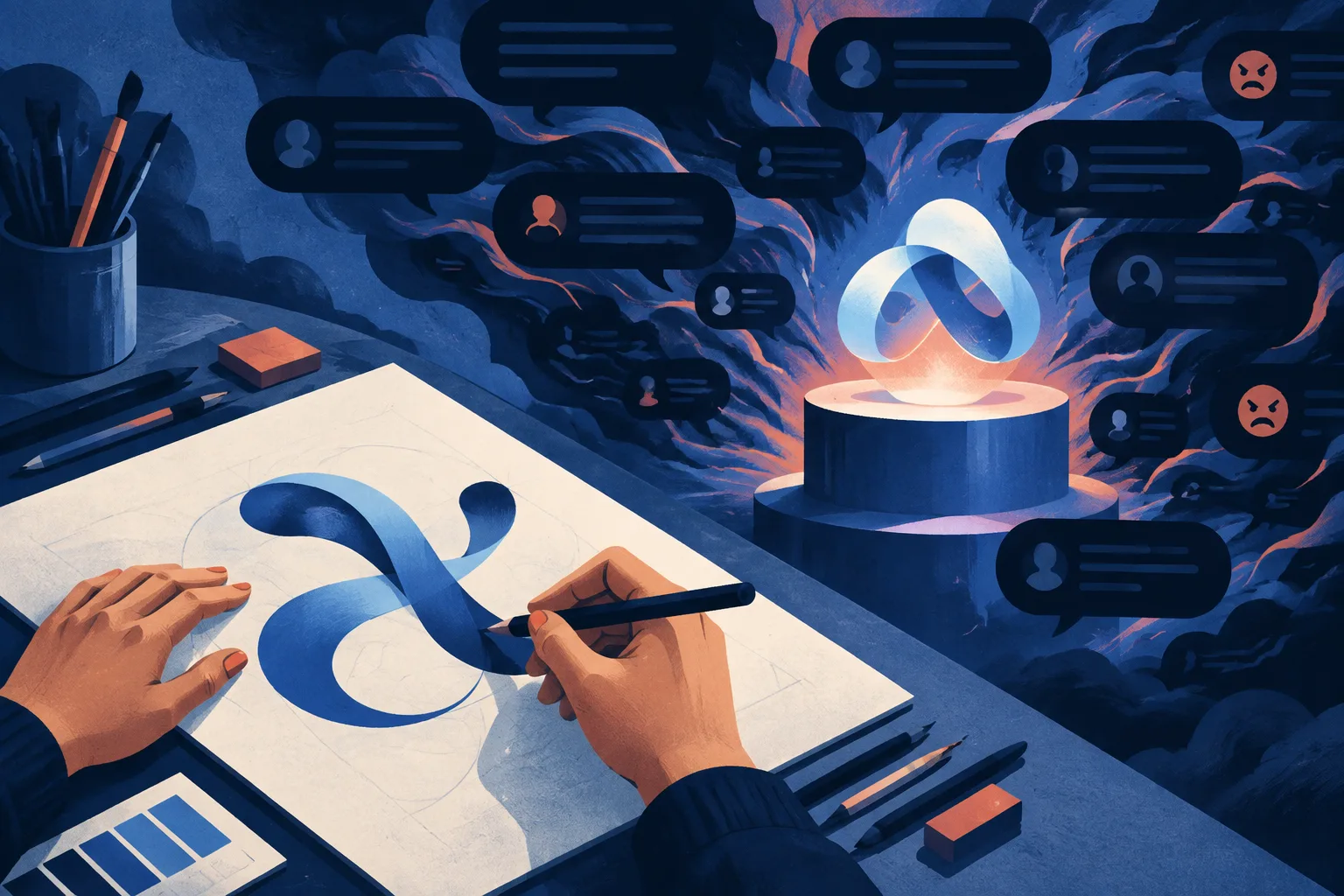
A freelance lettering assignment for Meta's Muse assistant has turned into a public argument about whether artists should work for companies building generative AI. WIRED reported on October 8 that Bay Area lettering artist Jessica Hische designed the product's M icon and logotype, then faced intense criticism after sharing the work in her newsletter. The reaction went beyond criticism of Meta or the design: some users posted images of her home and speculated about her finances.
Hische told WIRED that she expected objections because both Meta and AI are divisive, but not the scale of the response. She said client work supports two Oakland retail businesses whose margins are thin, and that the Meta project helped her cover payroll and other operating costs. She disclosed charging about $12,500 for the two-day icon sprint, which she described as substantial for two days of work but not life-changing.
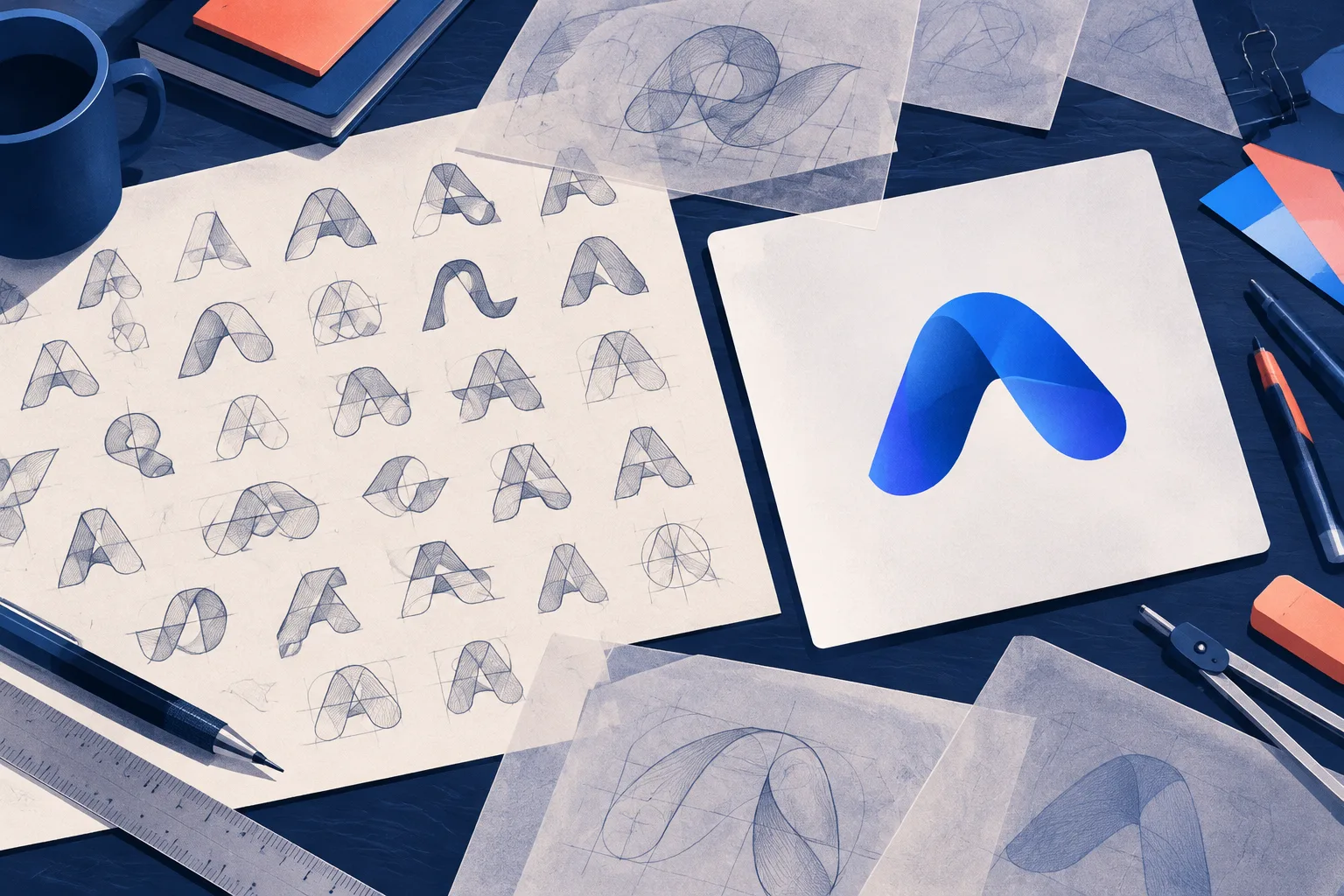
The commission itself was traditional design work, not AI-generated art. According to Hische, Meta's internal team had already explored an M built as a uniform single stroke and hired her to refine it. She produced 32 versions during the sprint and then spent another two weeks on the logotype. The brief was to make Muse feel creative, playful and related to Meta's wider visual identity rather than rigid or cold.
That distinction became central to Hische's defense. She argued that a large technology company hiring an independent artist was preferable to replacing the work with generative output. Some critics did not accept that separation, treating any contribution to an AI product as support for a technology they believe threatens artists. WIRED's account shows the dispute moving quickly from a question about professional ethics to a personalized online campaign.
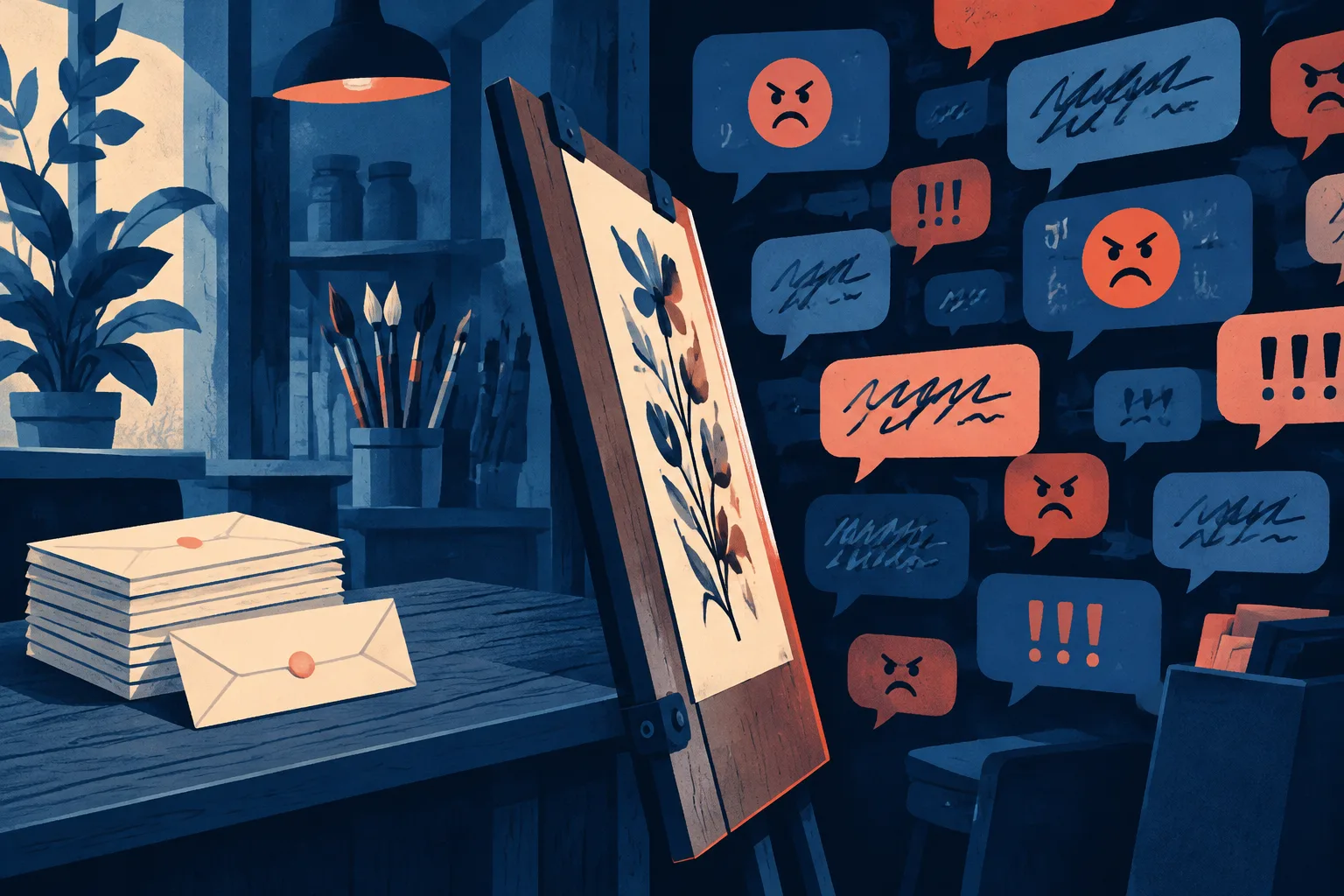
Hische initially tried to respond conversationally, explaining that she runs small businesses and employs four people, including herself. She said one comment about avoiding $50,000 in seasonal inventory debt was stripped of context and reframed as personal holiday spending. As the criticism widened, she told WIRED that she spent two days crying and felt that her earlier work and free resources for artists had been dismissed.
Her position on AI remains conflicted rather than uncritical. Hische said she does not use generative AI for art, though she uses AI for administrative tasks, coding and web work. She also acknowledged artists' fears about commercial displacement and argued that AI becomes problematic when it substitutes for people or performs the core creative labor. In the same interview, she said her own books had likely been scraped and that she expected to benefit from an Anthropic copyright settlement.
The episode illustrates a widening fault line in creative work. A human artist was paid to shape an AI product's identity, yet the association with that product was enough for some peers to view the commission as a betrayal. The source does not establish how representative the harshest commenters are of designers generally, but it documents how economic pressure, opposition to training practices and anxiety about lost creative work can converge on an individual contractor.
Comments
Loading comments…