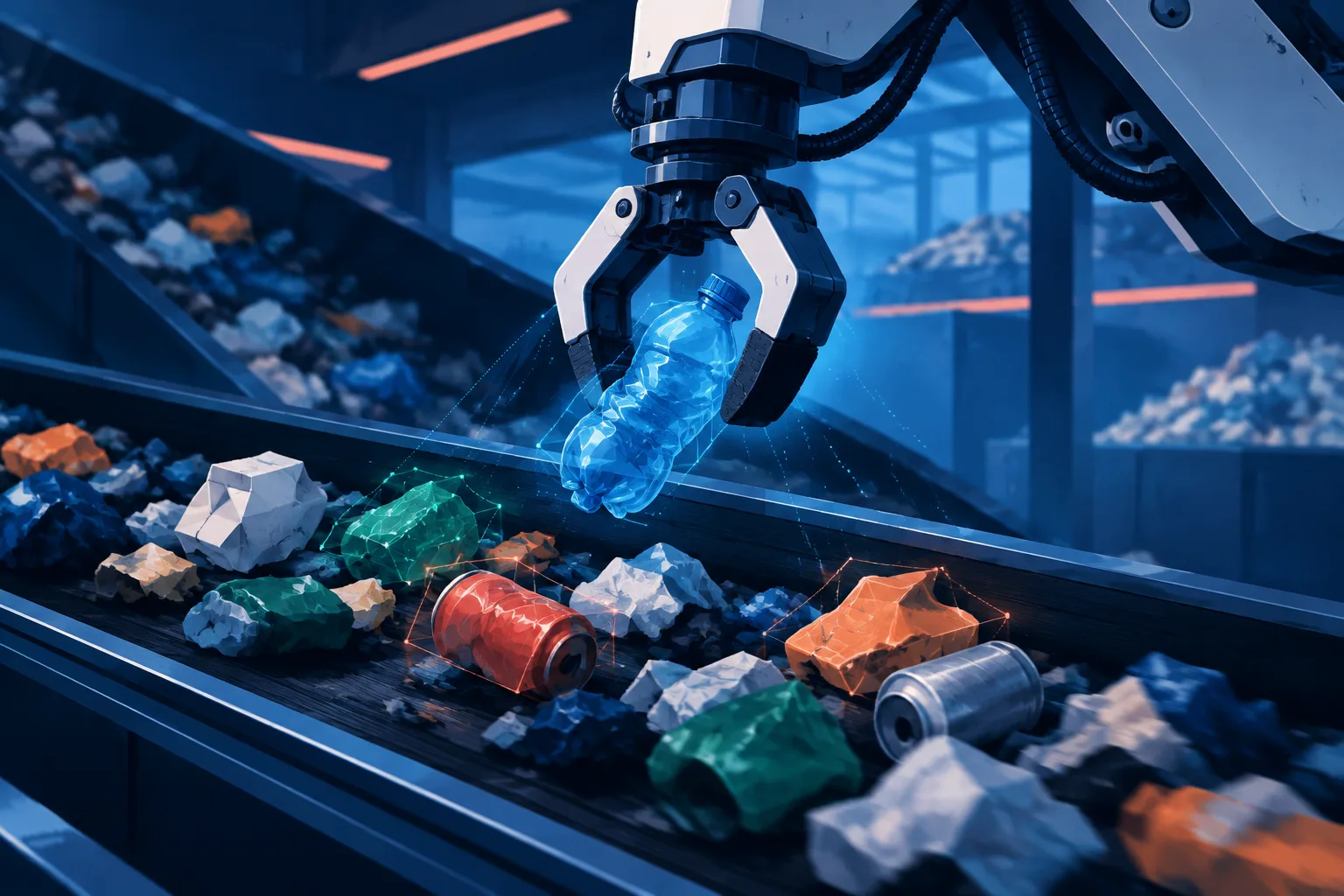
Danu Robotics is bringing a new AI-assisted recycling robot to market after six years of development, betting that better sorting can turn more of the waste stream into saleable material. TechCrunch reported on October 9 that the Edinburgh, Scotland-based company has raised $5 million in late-seed funding as it commercializes H.E.R.O., a robotic system designed to identify and pick recyclable items from mixed waste.
Founder Amy Ma began pursuing the idea after seeing recycling bins at the London bank where she worked as a software developer emptied into general trash, according to TechCrunch. Her investigation led her to the labor-intensive economics of recycling, where people often sort waste by hand to recover materials. Danu’s answer is a machine intended to perform that work more quickly and cheaply while using AI to improve its software over time.
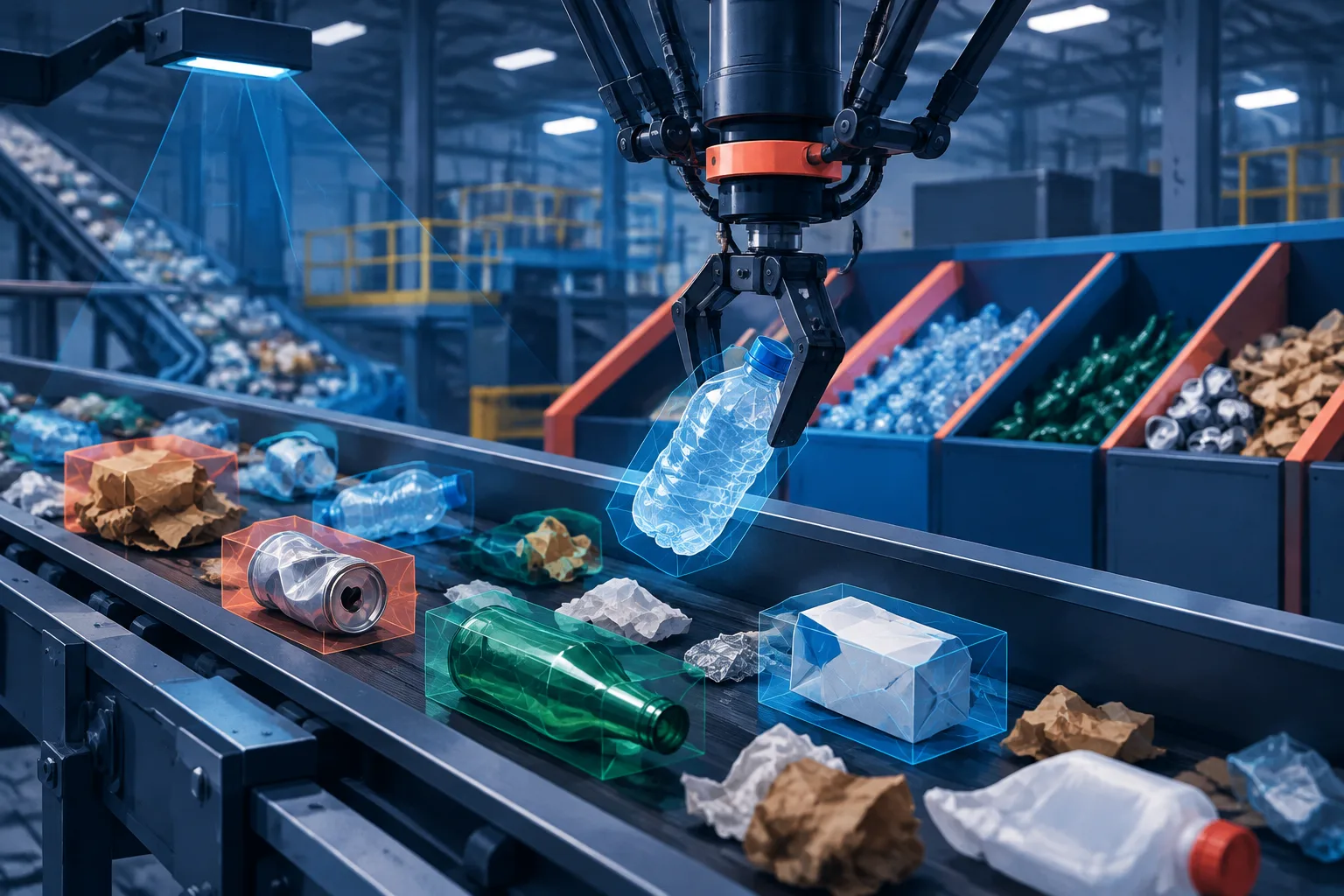
H.E.R.O. enters a market that already includes robotic sorting systems from companies such as Glacier and Recycleye. TechCrunch reported that Danu is differentiating its machine in part through a pincer claw rather than the suction mechanisms used by some competitors. The company’s larger wager is that continuously improving software can make the hardware more effective as it encounters new materials and operating conditions.
The commercial case rests on the unusual economics of recycling facilities. Sorting centers can earn revenue from the materials they successfully recover, so a machine that improves recovery may produce a measurable return rather than merely reduce headcount. Ma estimated to TechCrunch that a working site could generate $485,000 in additional revenue with H.E.R.O., against a $160,000 initial investment and $24,000 in annual maintenance. Those figures are the founder’s estimates and will need to be tested across real customer deployments.
Danu says it has early evidence of demand. The company has letters of interest from two large customers, $500,000 in signed contracts and more than 200 prospective customers in its sales pipeline, TechCrunch reported. The publication placed the addressable recycling-sorting market across Europe and North America at $20 billion. The new funding gives Danu capital to pursue that pipeline, but interest and signed contracts do not yet establish how reliably the system will perform at scale.
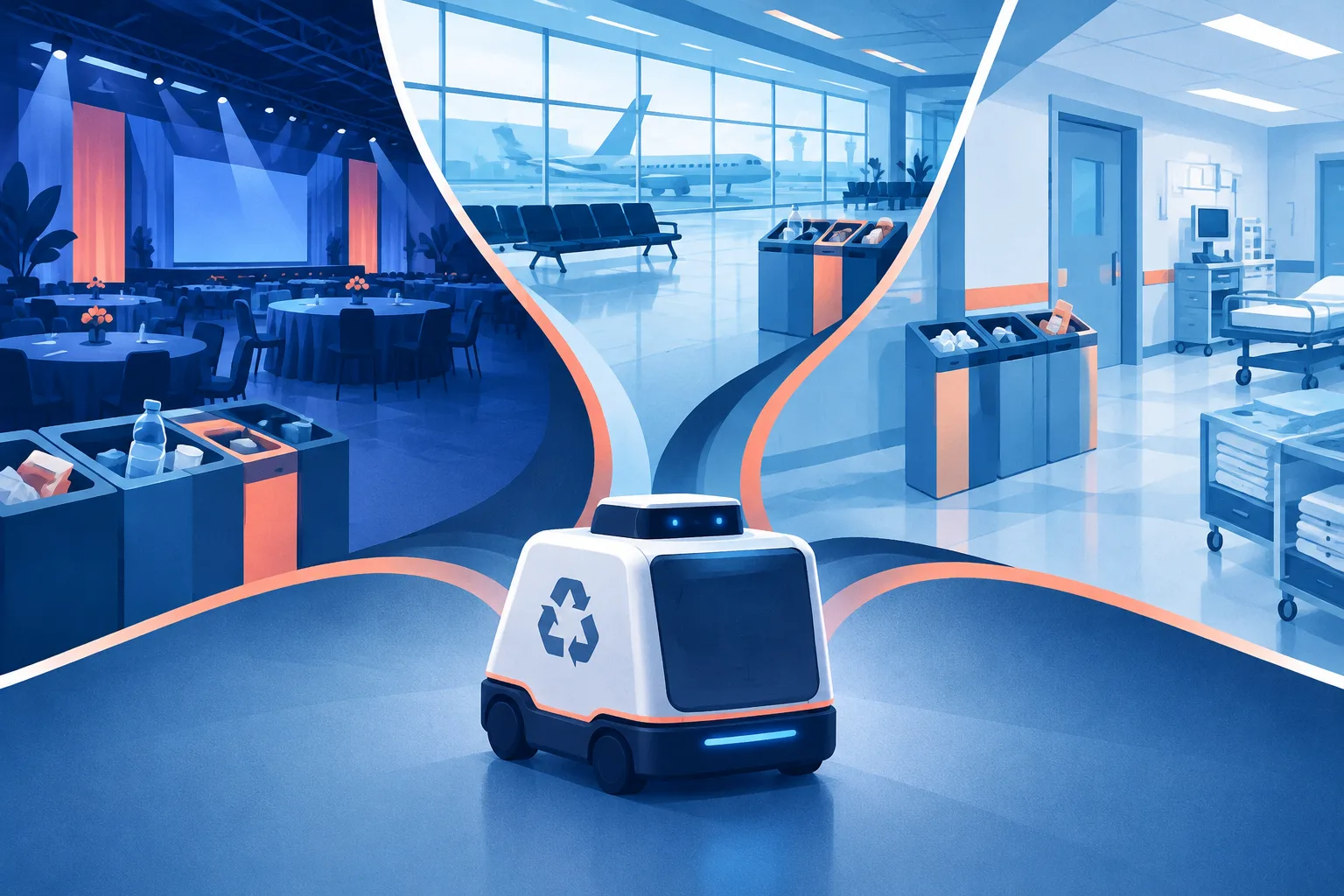
The robot is already shipping, and the next engineering goal is to make it sturdier, smaller and more versatile. Ma told TechCrunch that a sufficiently compact system could move beyond dedicated waste facilities and operate at locations such as events, shopping centers, hospitals and airports. That would shift sorting closer to the source of the waste, rather than relying exclusively on large downstream facilities.
That expansion path also raises the technical bar. A robot operating on a controlled sorting line can be designed around known flows and infrastructure; a portable unit would have to remain useful across more varied settings. TechCrunch did not provide independent performance tests or deployment results, so Danu’s claims about efficiency, cost and adaptability remain company projections as commercialization begins.
Danu’s progress illustrates a practical frontier for industrial AI: value depends less on a conversational interface than on whether perception, software and hardware can work together reliably in a harsh physical environment. If H.E.R.O. delivers the economics its founder projects, its impact will be visible in recovered materials and facility revenue. The company’s contracts, deployments and operating data will determine whether that promise survives contact with the waste stream.
Comments
Loading comments…