Cerebras co-founder and chief executive Andrew Feldman expects personal AI assistants to become household appliances, according to an October 13 report by TechCrunch. His comments describe a possible direction for consumer computing rather than an announced Cerebras product: the report does not identify a release date, price, specifications or a finished device.
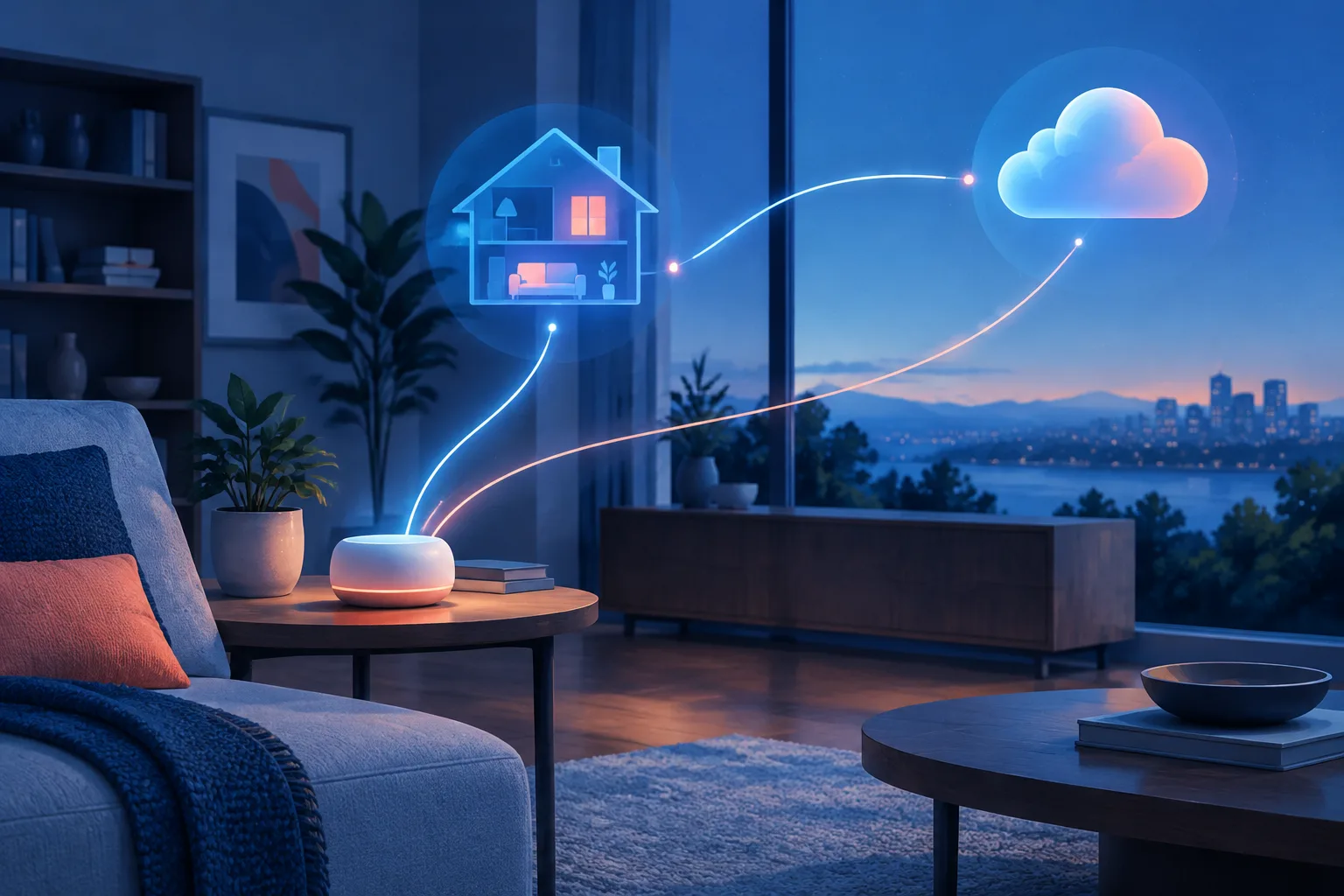
Feldman’s envisioned assistant would divide its work between hardware in the home and services in the cloud, much as smartphones already combine on-device computing with remote infrastructure. He argued that such an arrangement could give each person an assistant that learns about them over time while retaining some processing locally.
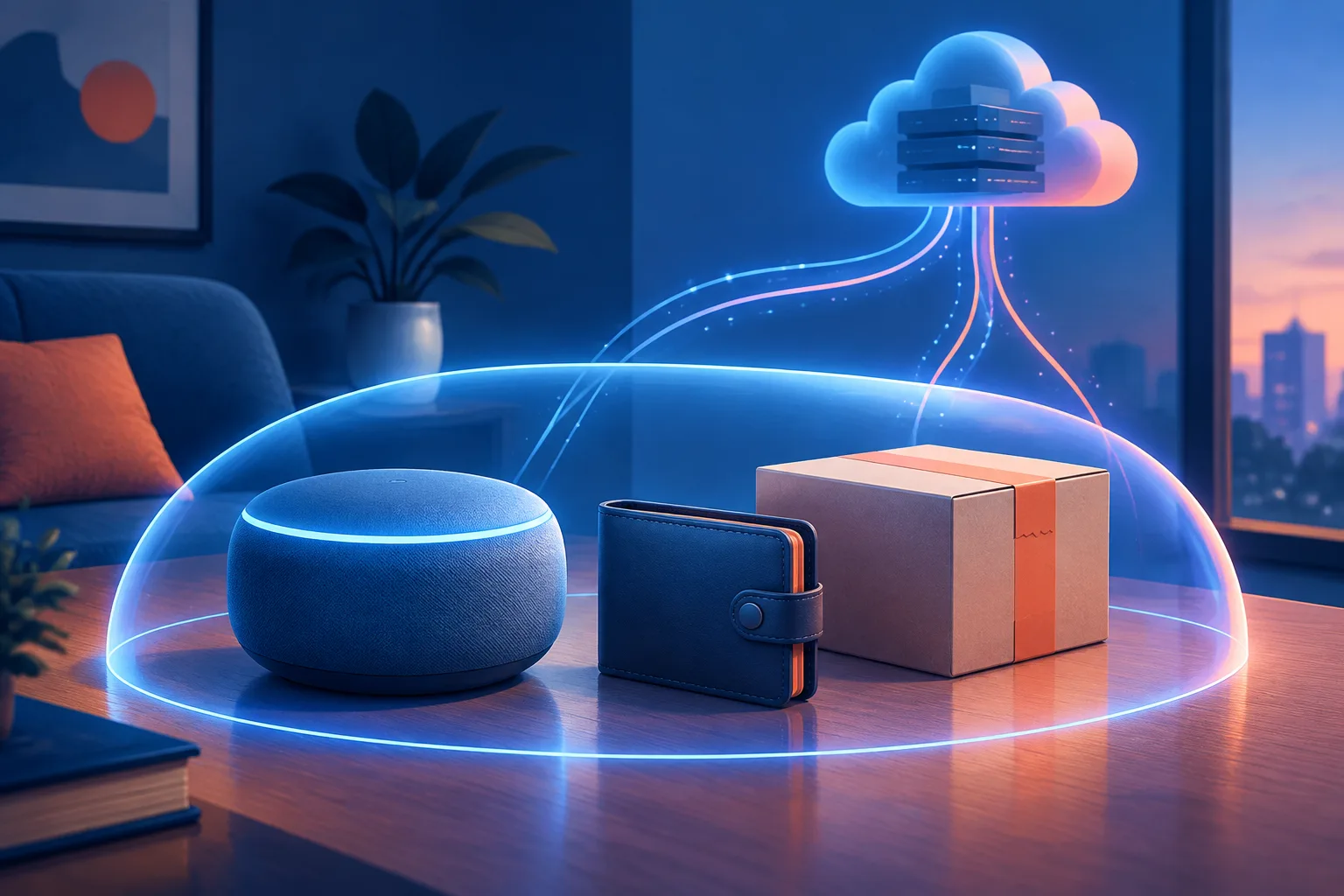
The ambition extends beyond answering questions. Feldman said a personal assistant could operate within a user’s security perimeter, gain access to payment information and make purchases on the user’s behalf. That degree of authority would turn the assistant from a conversational tool into an actor trusted with consequential financial tasks.
Feldman told TechCrunch that he already relies on a collection of agents for narrower jobs. He said they review his calendar and gather information about people before scheduled calls. Those examples are workplace automations, not evidence that the broader home appliance he predicts is available today.
TechCrunch noted that the vision aligns with Cerebras’ interests as a chipmaker. More capable personal agents—whether they run at home, in data centers or across both—would create additional demand for computing infrastructure. Feldman, however, positioned his own company as a platform builder rather than the likely designer of the consumer experience.

He said he is excited by the applications that new AI capabilities could enable but expects other founders to turn those capabilities into products. That division of labor would leave companies such as Cerebras supplying underlying systems while consumer-focused businesses decide how an assistant should look, behave and earn trust.
The prediction also leaves central questions unanswered. An assistant that knows a user’s routines and can spend money would need safeguards for privacy, authentication, errors and unauthorized actions. TechCrunch’s report does not describe how those problems would be solved, so any assessment of the proposed security model remains speculative.
For now, Feldman’s remarks are best read as a forecast about the shape of personal AI: partly local, partly cloud-based and increasingly able to act. Whether that becomes a distinct appliance, a feature of existing devices or something else will depend on products and protections that have not yet been presented.
Comments
Loading comments…