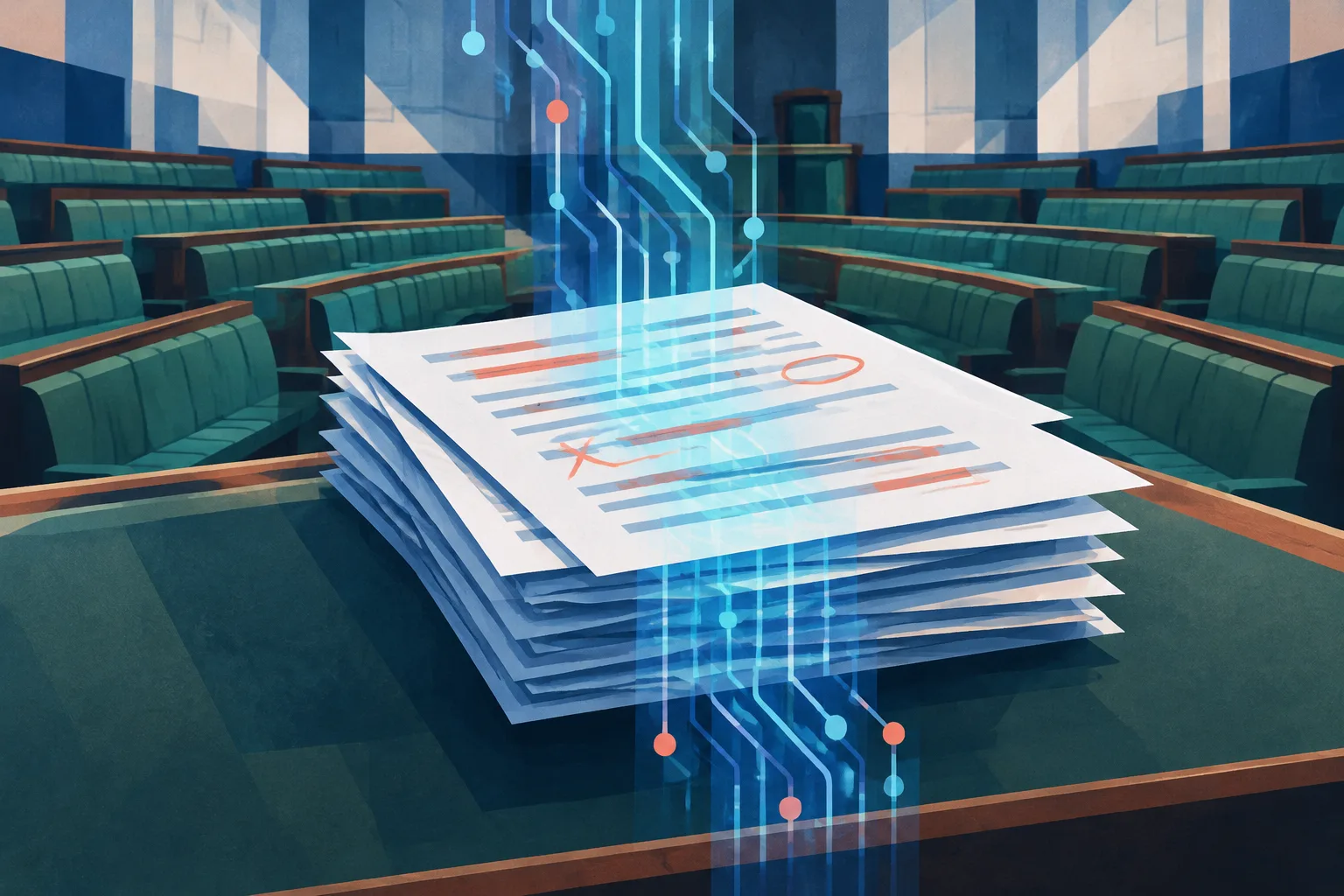
Australia’s effort to build a cross-party approach to artificial intelligence has become entangled in a dispute over political influence. Guardian Australia reported on October 13 that an adviser in Prime Minister Anthony Albanese’s office reviewed and edited language in a bipartisan parliamentary committee letter before it was sent to the prime minister, prompting concern from independent senator David Pocock about the independence of the process.
According to the Guardian’s account, notes on the document showed a senior adviser making several edits and marking some passages as acceptable. Some changes were recorded at 8:55 p.m., about 35 minutes before Labor MP Jo Briskey, the inquiry chair, and Liberal senator Jonno Duniam, the deputy chair, sent the letter on behalf of members from Labor, the Coalition and the crossbench. Pocock had been invited to suggest changes but submitted his feedback at 9:55 p.m., unaware the letter had already been sent.
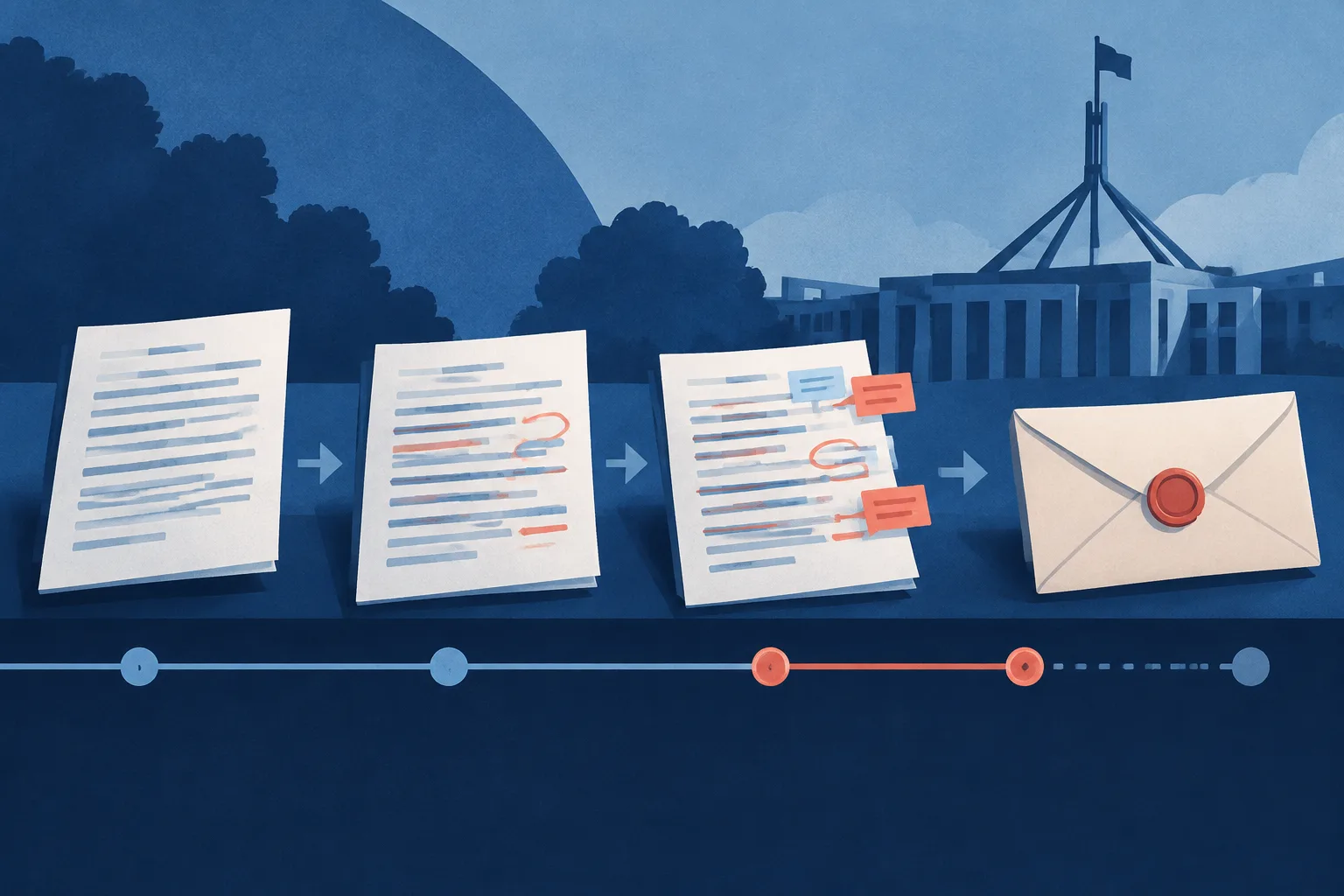
The sequence matters because the committee is examining questions likely to shape Australia’s AI policy, including copyright, safeguards, domestic capability and public understanding of the technology. Pocock argued that the letter did not reflect the full range of evidence received by the inquiry and said the apparent prior review by the prime minister’s office raised concerns about whether the committee’s recommendations had been politically filtered.
Briskey disputed the suggestion that the committee’s work had been predetermined. She said the committee consulted both the prime minister’s office and the opposition leader’s office as part of an effort to develop a position that could work across political lines. Duniam also rejected the idea that the government had directed or interfered with the committee and characterized the exchanges as consultation. The letter was intended to indicate the committee’s direction before its report, which the Guardian said is due on November 30.
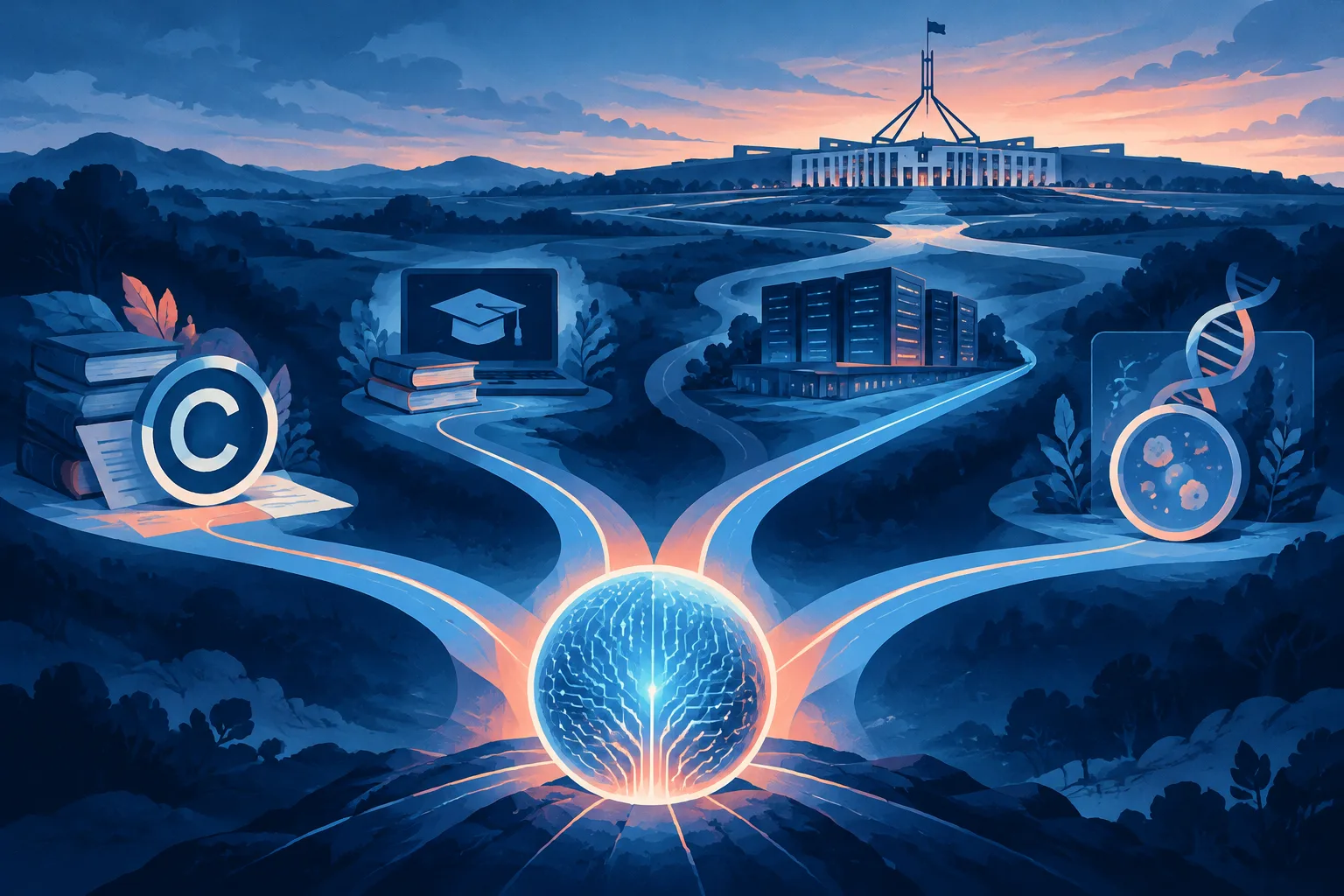
Pocock’s objections also reveal gaps between the broad themes in the letter and several more specific proposals raised during the inquiry. He said the document did not adequately address warnings from creative workers about copyright changes, the possibility of a levy on data centers, investment in retraining workers displaced by AI, or mandatory screening of imported genetic-synthesis materials at Australian borders. The Guardian reported these as Pocock’s concerns; the article did not establish that the committee had adopted any of those measures.
The episode is therefore about more than document workflow. AI policy joins technical risk, labor disruption, intellectual-property disputes and national capability in a single legislative debate, making the credibility of the process unusually important. Consultation with government and opposition leaders can help produce durable policy, but late edits and uneven opportunities for members to respond can also create the appearance that consensus was assembled before scrutiny was complete.
For now, the available evidence supports competing interpretations. Pocock sees signs that committee work may be serving a political purpose, while the chair and deputy chair describe normal multiparty consultation and deny interference. The prime minister’s office declined to comment to the Guardian. The committee’s November report will provide a clearer test of whether the final recommendations reflect the breadth of testimony gathered or remain at the general level of the disputed letter.
Comments
Loading comments…