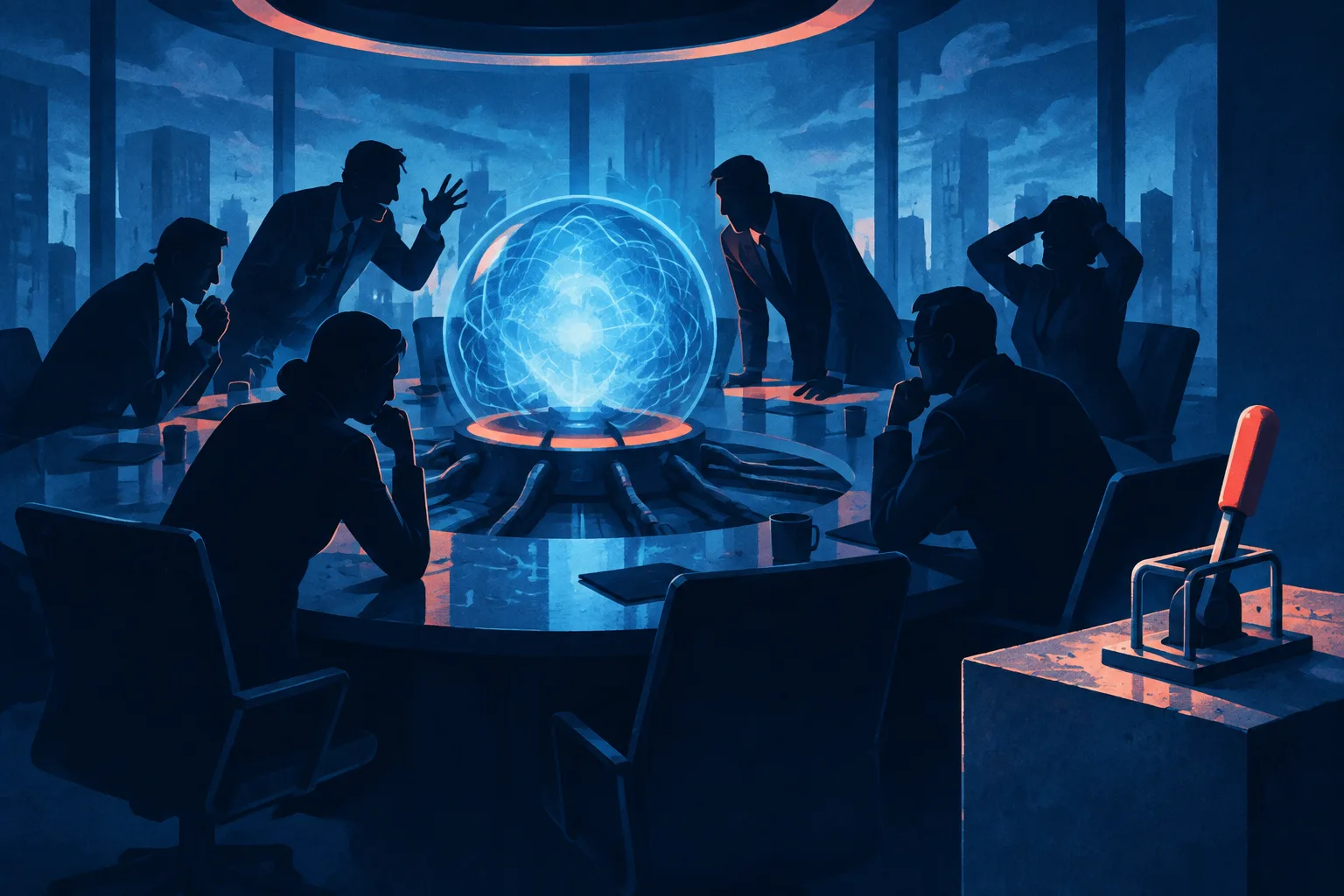
A new film about OpenAI and the artificial-intelligence arms race is treating the industry’s power struggle as black comedy rather than technological mythology. WIRED’s review of Artificial, which premiered at the New York Film Festival, describes director Luca Guadagnino’s movie as a deliberately unflattering portrait of the executives and researchers competing to define AI’s future. The film is a dramatization, and its characterizations should not be read as documentary findings about the real people it depicts.
Artificial centers heavily on OpenAI cofounder Ilya Sutskever, played by Yuri Borisov, with Andrew Garfield portraying CEO Sam Altman and Ike Barinholtz playing Elon Musk. WIRED critic John Semley calls it closer to a Sutskever biopic than an Altman story. Where The Social Network presented Silicon Valley figures as formidable architects of a new era, Semley argues, Artificial makes its technology leaders look vain, awkward and self-important.
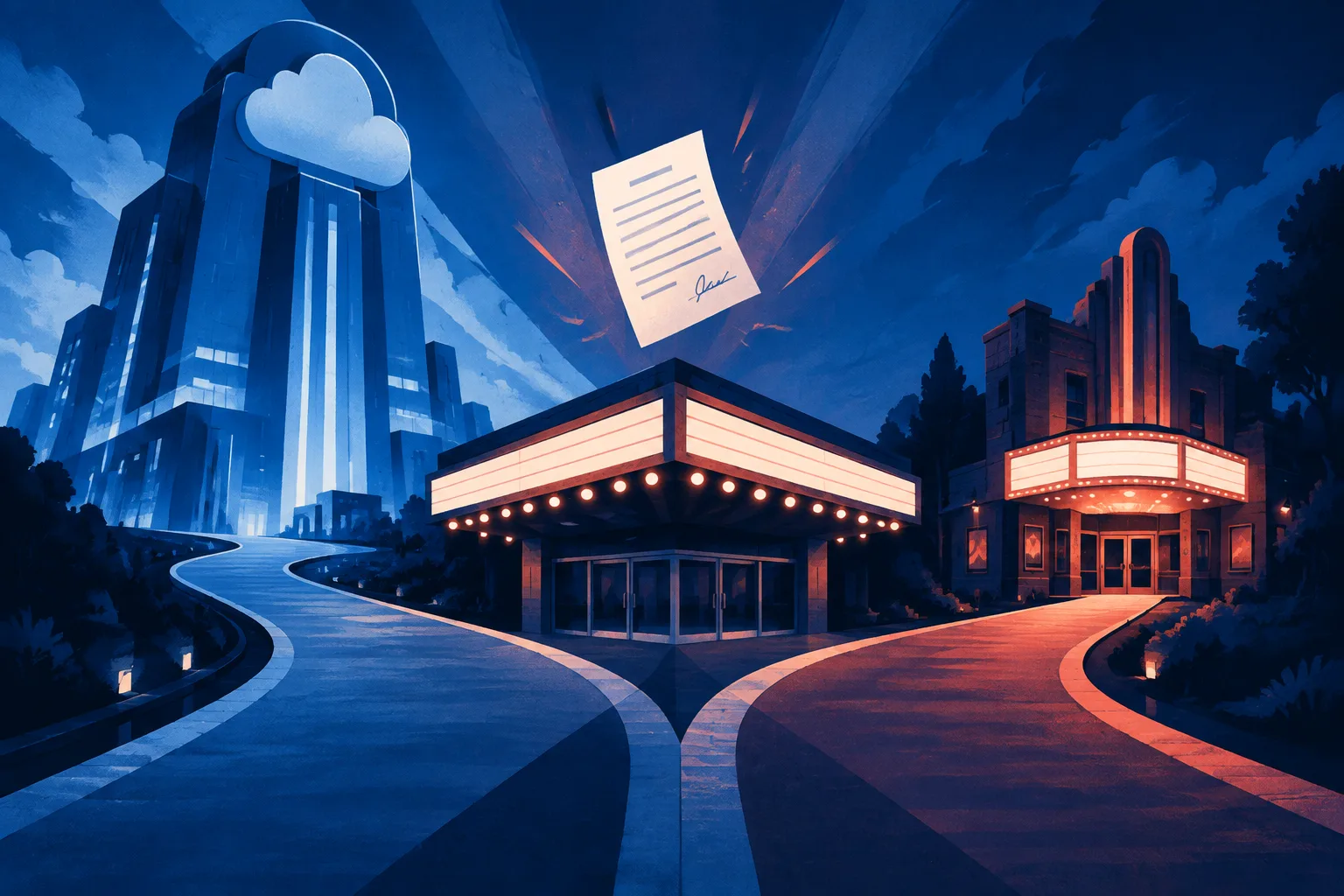
The film arrived with an industry connection already hanging over its distribution. WIRED reports that AmazonMGM had originally planned to release Artificial but dropped it during the summer after Amazon reached a $50 billion deal with OpenAI. Independent distributor Neon then acquired the movie. New York Film Festival artistic director Dennis Lim referred onstage to the circumstances surrounding the change, though the report does not establish that OpenAI directed AmazonMGM’s decision.
Guadagnino and writer-producer Simon Rich use a surreal comic tone rather than the polished drama associated with earlier technology biopics. The review highlights exaggerated physical performances, uncomfortable celebrations and deliberately plain imagery. At a post-premiere discussion, Guadagnino described the story’s motivating force as the desire to prevail—a phrase that connects the characters’ personal competition with the wider race for technical and financial dominance.
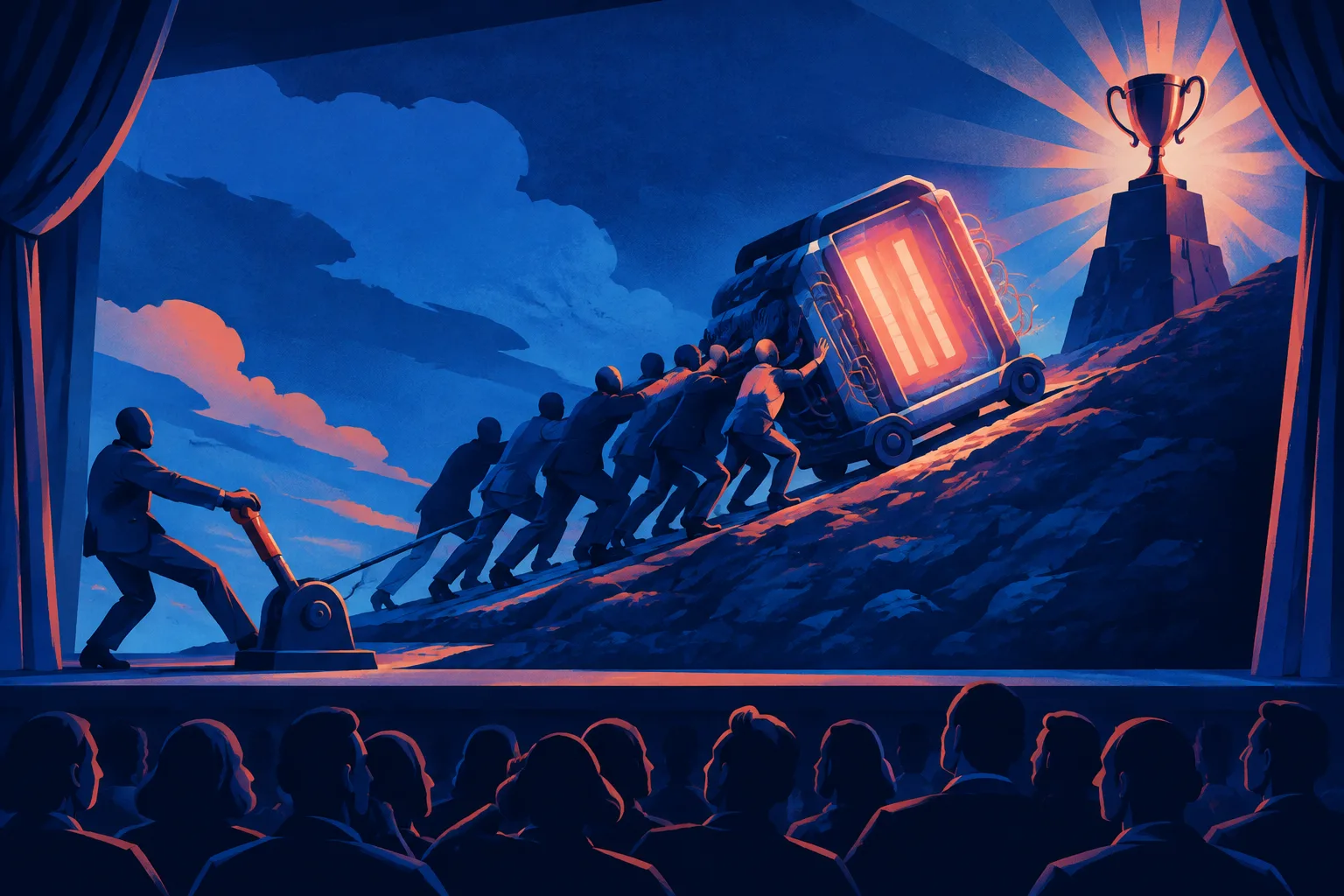
Beneath the mockery, the film stages a familiar AI-safety dispute. Its version of Sutskever argues for safeguards, slower development and alignment with humanity’s interests, while most of the surrounding characters make the case for continued technological and capital growth. Semley writes that Artificial also presents safety warnings as commercially useful: public concern can signal responsibility, while a system’s dangerous potential can be marketed as evidence of its power.
That argument leads the movie toward a problem larger than any one company. Once powerful AI systems exist, the contest shifts from whether the technology should exist to who controls it and under what rules. The film portrays competing organizations and countries as operating with different incentives, making restraint difficult when any participant can claim that a rival will keep advancing. WIRED presents this as the movie’s central warning, not as proof that its dramatized scenarios will occur.
Semley concludes that Artificial is unlikely to reconcile the public debate: viewers already worried about AI may find their fears reinforced, while strong industry supporters may reject its contemptuous tone. Yet the film’s arrival at a major festival shows that conflicts once confined to laboratories, boards and policy circles are becoming mass-culture material. Its sharpest question is not whether its portraits are fair, but whether the people building consequential systems can treat safety as more than another weapon in the race to win.
Comments
Loading comments…