
Anthropic is offering open-source software projects a new way to search for security flaws at no charge. According to The Verge’s October 8 report, the company’s OSS Scanner will let participating projects opt in to recurring vulnerability checks performed by Anthropic’s most capable AI models.
The service is designed to conduct what Anthropic describes as thorough, periodic scans. The company says those scans will use its strongest systems, including Claude Mythos, with the goal of giving open-source developers earlier notice of potential weaknesses in their code.
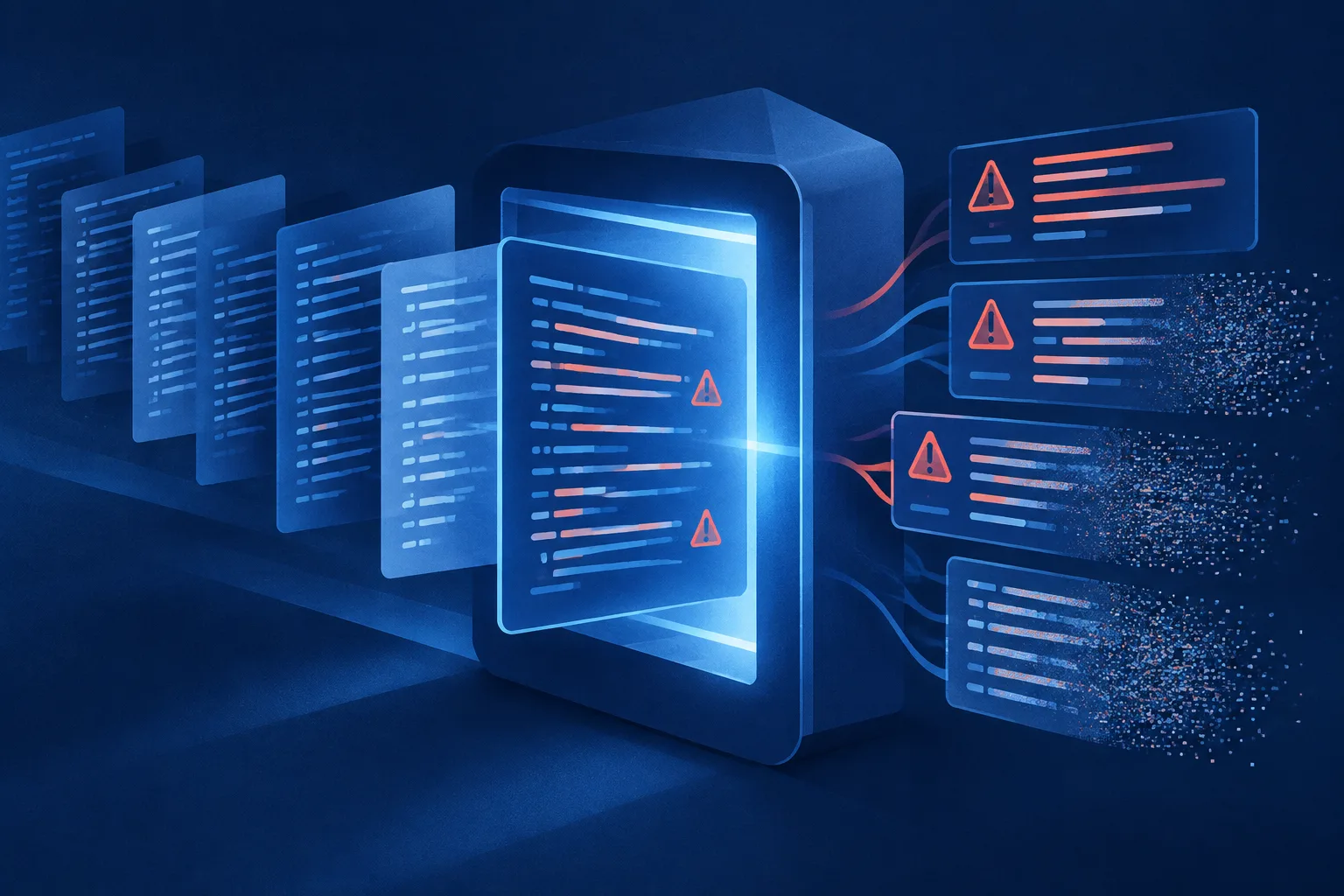
The speed comes with an explicit limitation: the findings will be generated entirely by AI, without human review or triage before they reach a project. Anthropic acknowledges that some reports may therefore be wrong or invalid. That warning is central to the offer, because a vulnerability alert can consume scarce maintainer time even when it does not identify a real defect.
Anthropic’s stated trade-off is frequency. Removing a human review stage should allow OSS Scanner to check projects and issue reports faster and more often. In practice, however, the announcement suggests that project maintainers will remain responsible for deciding which findings deserve investigation and which should be dismissed.
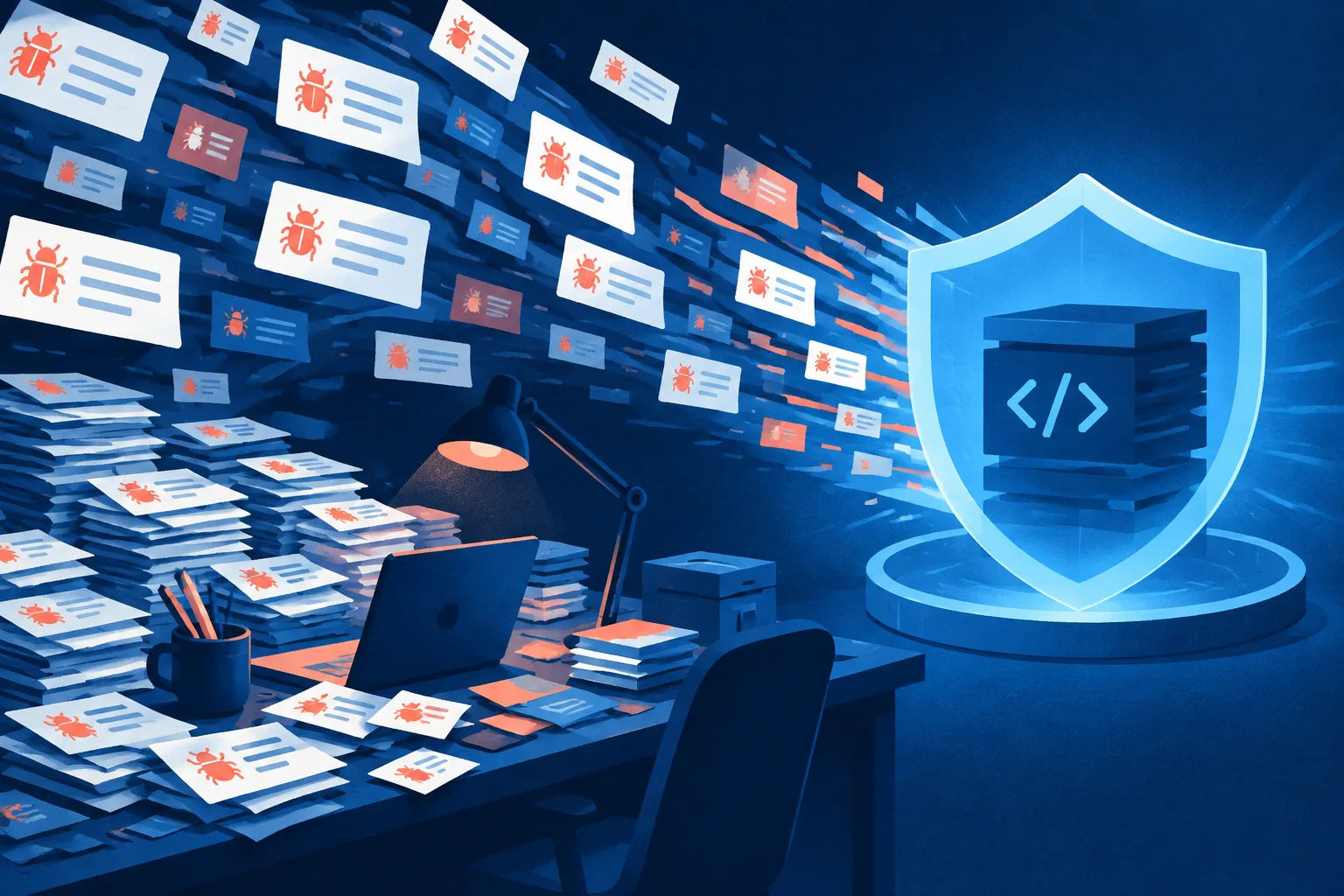
The launch arrives after AI systems have already demonstrated that they can uncover consequential software defects. The Verge pointed to the “Copy Fail” vulnerability reported in May, which affected nearly every Linux distribution, as one example of AI-assisted bug hunting producing an important result.
But open-source communities are also confronting the other side of automated security research: a growing flow of machine-generated bug reports. The Verge noted that some projects and developers, including Linus Torvalds and Google, have struggled with the volume of AI-produced submissions. More scanning can improve coverage while simultaneously increasing the burden of verification.
OSS Scanner therefore tests whether a frontier model provider can deliver useful defensive capacity without simply transferring the cost of validation to volunteer maintainers. Its value will depend not only on how many issues it flags, but on how consistently those flags prove actionable. Until projects report their experience, the balance between faster discovery and added noise remains uncertain.
Comments
Loading comments…