
Artificial intelligence is becoming a workplace supervisor as well as a workplace tool. In a TechScape report published by the Guardian on October 13, US technology editor Blake Montgomery described employees in several countries being subjected to increasingly detailed monitoring, with small changes in behavior feeding into performance assessments. The examples suggest that the next major conflict over workplace AI may concern not whether employees use the technology, but how employers use it to watch and judge them.
The report’s clearest case comes from Co-op Legal Services in Britain. According to the Guardian, the company uses automated listening technology to record, analyze and score phone conversations between advisers and customers seeking help with probate, wills and estates. An unnamed worker described the system as oppressive and said it created the feeling of being constantly watched. That setting raises the stakes: the monitored conversations can involve customers who are grieving, while employees are simultaneously being evaluated on how they handle them.
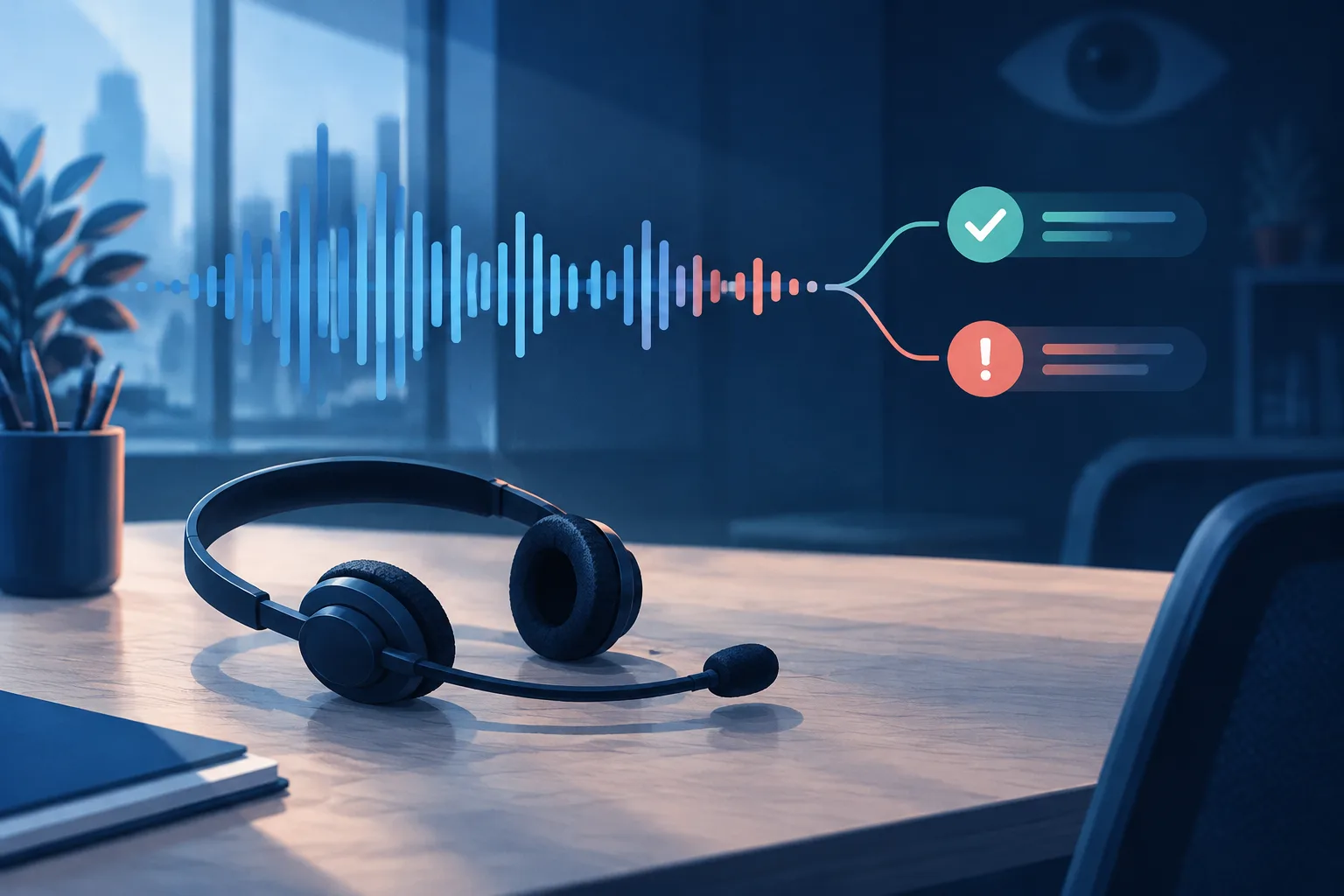
Co-op disputed that characterization. The company said it did not recognize the criticism and maintained that its probate advisers were highly engaged. Its position illustrates a central tension in automated management. Employers may view comprehensive analysis as a way to review service quality and coach staff more consistently, while workers can experience the same system as continuous scrutiny whose scores may shape how managers see their performance.
The resistance is beginning to move from workplace complaints into law. The Guardian reported that California Governor Gavin Newsom signed measures the previous week restricting certain forms of workplace surveillance. The targeted practices include movement heat maps that can reveal how long employees spend in bathrooms and systems that attempt to monitor emotional states. The policy response is notable because regulation of rapidly deployed technology often trails adoption; in this case, worker resentment is already producing boundaries around particular uses.
Other examples show how widely those systems can reach. Amazon warehouse workers have previously complained about being timed during bathroom breaks, the Guardian noted. Nurses at Kaiser Permanente in California have said automated systems assessed the tone of their voices during patient interactions. Taken together, those cases show that algorithmic oversight can follow workers through physical spaces, customer calls and emotionally demanding conversations rather than remaining confined to conventional productivity metrics.
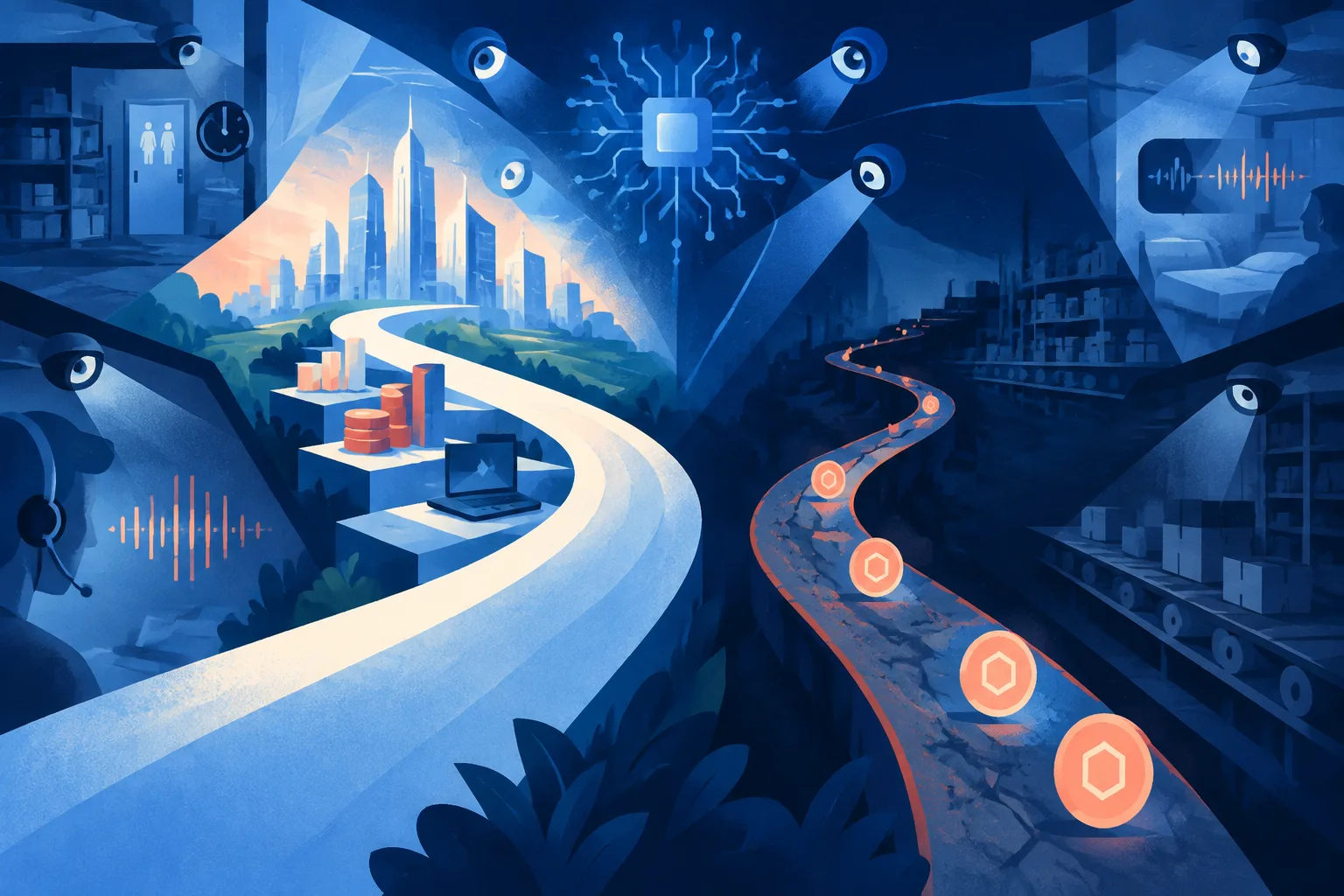
The Guardian also connected workplace monitoring to a broader question about who benefits from the AI economy. Research cited from LinkedIn found a $45,000 gap between the median pay of men and women in AI-related occupations, partly reflecting the different jobs they tend to hold. One female startup co-founder told the publication that she and her male co-founder were more likely to secure investment when he delivered the pitch. These examples do not establish a single cause, but they show how an industry promising new mobility can reproduce existing differences in access, pay and influence.
At the other end of the supply chain, refugees in Kenya described completing tasks for foreign technology companies under opaque conditions. The Guardian reported that compensation could depend on a reward system that judged the quality of their work, leaving some workers unsure whether they would be paid. Several considered the arrangement unfair but said they had few alternatives, while also fearing that AI could eventually perform the repetitive tasks on which their income depended.
The pattern running through these accounts is a shift in decision-making power. AI systems can score a call, classify a worker’s behavior or determine whether completed work qualifies for payment, yet the people being measured may have limited visibility into the rules or limited ability to contest an outcome. California’s restrictions offer an early sign that policymakers are willing to draw lines around some forms of automated monitoring. Whether those limits spread will help determine if workplace AI remains primarily a management instrument or becomes a technology employees have a meaningful say in governing.
Comments
Loading comments…