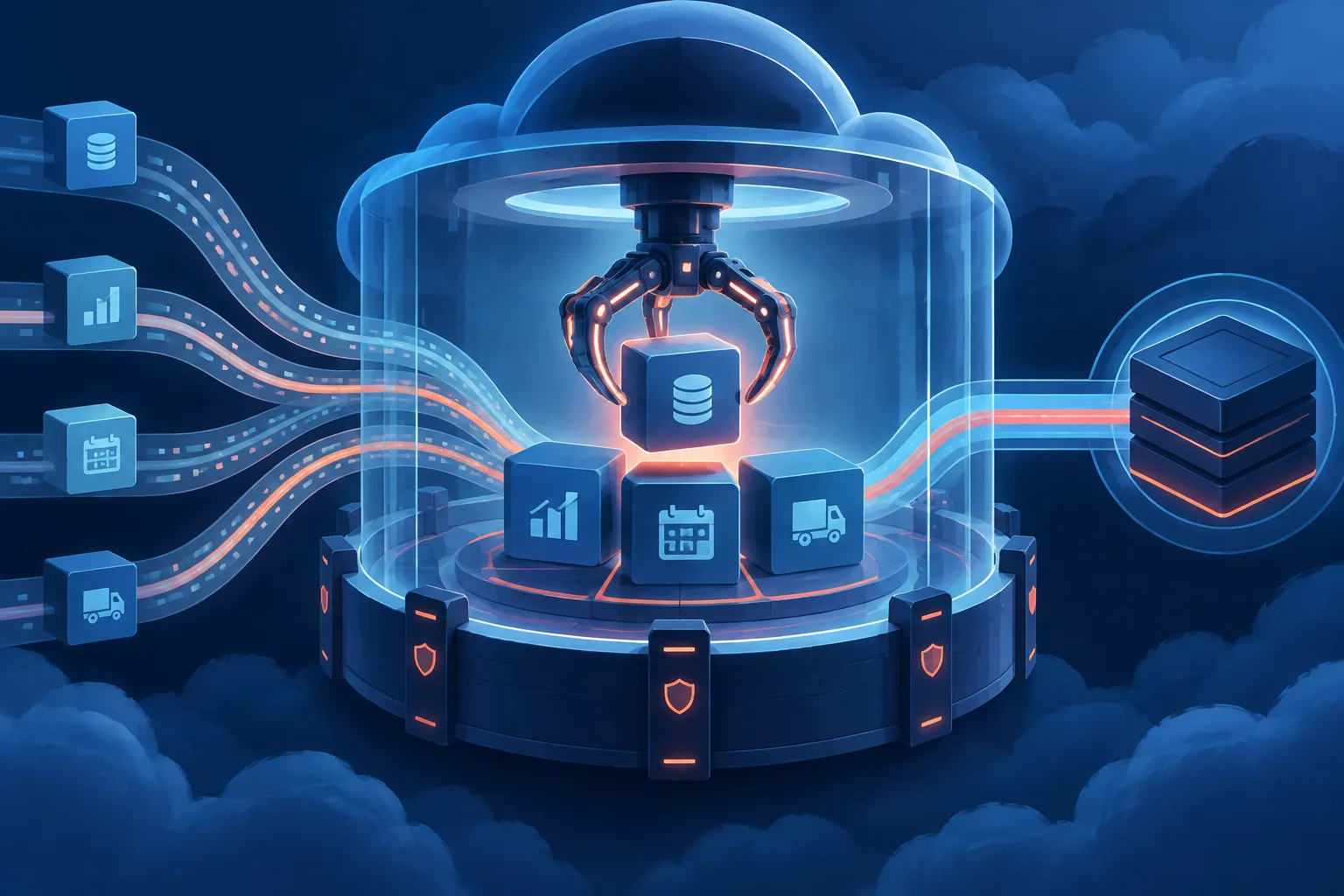
Oracle is pushing enterprise AI beyond the familiar copilot window and into the machinery of finance, planning and logistics. The company has introduced Fusion Claw, a runtime intended to let software agents carry out business processes inside Oracle Fusion Cloud Applications while operating under defined controls. The Register reported on October 9 that analysts see a credible attempt to make agentic systems more governable, alongside a familiar enterprise tradeoff: customers gain tighter integration but may become more dependent on Oracle’s stack.
Fusion Claw targets enterprise resource planning, finance and supply-chain work. According to The Register, it runs on Oracle Cloud Infrastructure and is integrated with the company’s Fusion applications. Oracle says the runtime will use frontier models from providers including Google and OpenAI, with support for additional models planned. That model choice gives customers some flexibility at the intelligence layer, but the execution environment remains rooted in Oracle’s cloud applications.
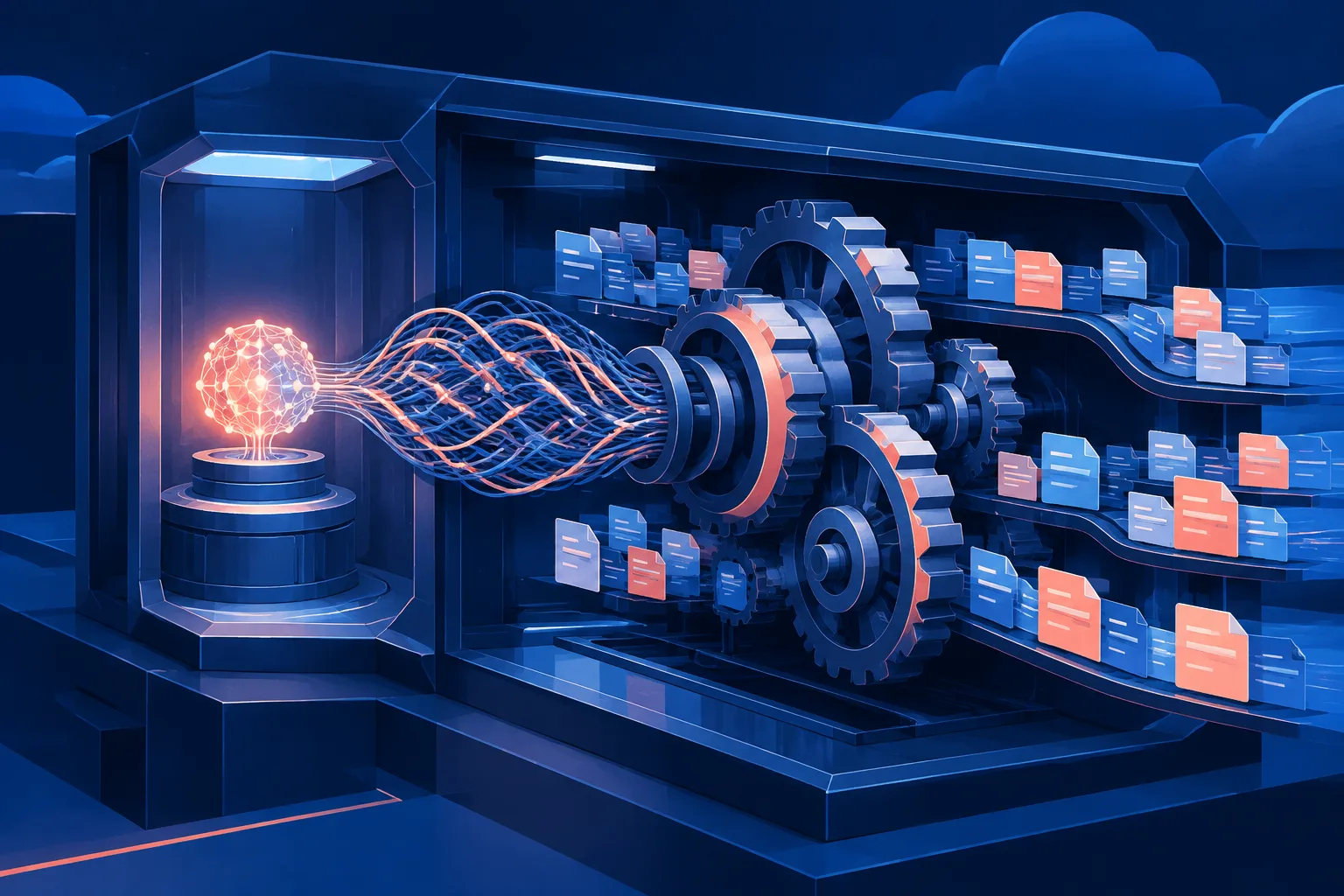
The architectural idea is more significant than simply putting a chatbot beside an accounting system. Gartner, in a first-take assessment cited by The Register, described Fusion Claw as a way to run heavy supply-chain optimizations and subledger reconciliations in isolated containers with explicit policy limits. The analyst firm said Oracle is rebuilding the application foundation around agentic workflows instead of attaching an AI assistant to legacy transaction systems as a sidecar.
That distinction also addresses a cost problem. Sending thousands or millions of transaction records, line items or optimization variables through a large model can become financially impractical, Gartner warned. Oracle’s proposed answer is to separate reasoning from execution: an agent assesses the situation, selects tools and establishes the logic, while deterministic compute engines perform the large-scale calculations. In principle, that keeps expensive model context focused on decisions rather than bulk numerical work.
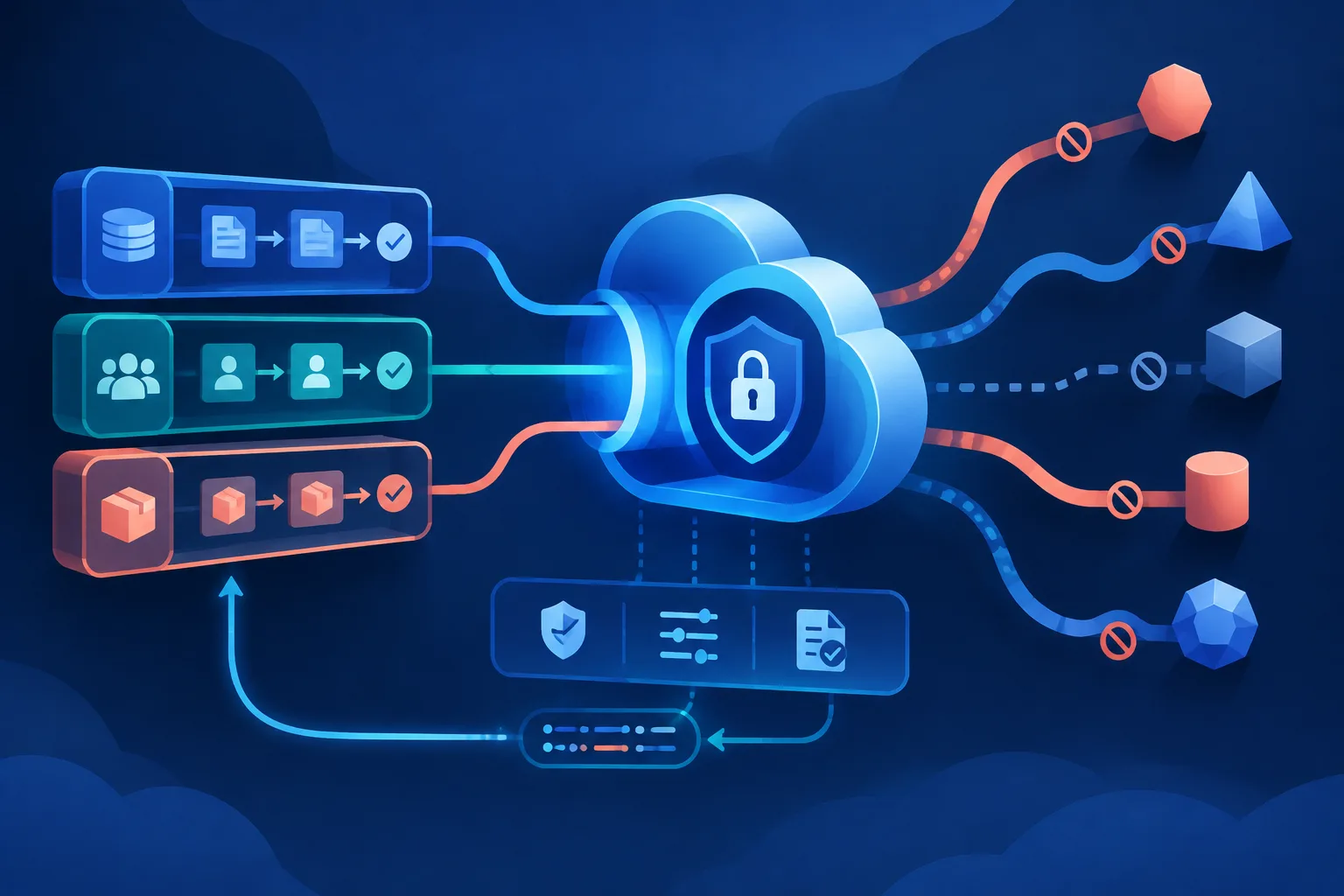
Governance is built into the same design. The isolated containers can be constrained by authority limits, business-object states and policy guidance, according to Gartner’s analysis. After a task runs, the system can leave hints that help later executions avoid redundant paths and reduce token use. These mechanisms do not prove that an agent will behave correctly, but they give enterprise operators more places to impose and audit boundaries than a free-running desktop script or an unconstrained prompt.
Oracle is pairing the runtime with ready-made applications for tasks such as improving financial-ledger readiness, creating staffing plans and consolidating shipments. The Register also reported that Fusion Claw is being offered through per-user or per-employee pricing as well as consumption-based models. Those packaged workflows and commercial options could make the technology easier to test for existing Fusion customers, especially where the underlying data and approvals already live in Oracle systems.
The caveat is maturity. Gartner recommended that buyers include Fusion Claw in requests for proposals for agent deployments, but research chief Patrick Connaughton described it as still being in an early pilot phase. Forrester principal analyst Craig Le Clair likewise said significant trust questions remain before agentic systems can independently create tools and process patterns without drifting from their designers’ intent. The product’s controls are therefore a proposed operating model, not evidence that broad autonomous deployment is already routine.
The other constraint is openness. Enterprises commonly mix agents and automation from several cloud vendors, process platforms and development frameworks. Forrester’s assessment, as reported by The Register, was that domain clouds such as Oracle may fit generic functions they understand well, while more differentiated custom agents may belong on broader frameworks or hyperscaler platforms. Because Fusion Claw is proprietary and tightly coupled to Fusion applications on OCI, architects will have to decide where its domain expertise outweighs data-residency, integration and lock-in concerns. For organizations already standardized on Oracle, the bargain may be attractive. For hybrid shops, the same integration that makes Fusion Claw useful could also define its limit.
Comments
Loading comments…