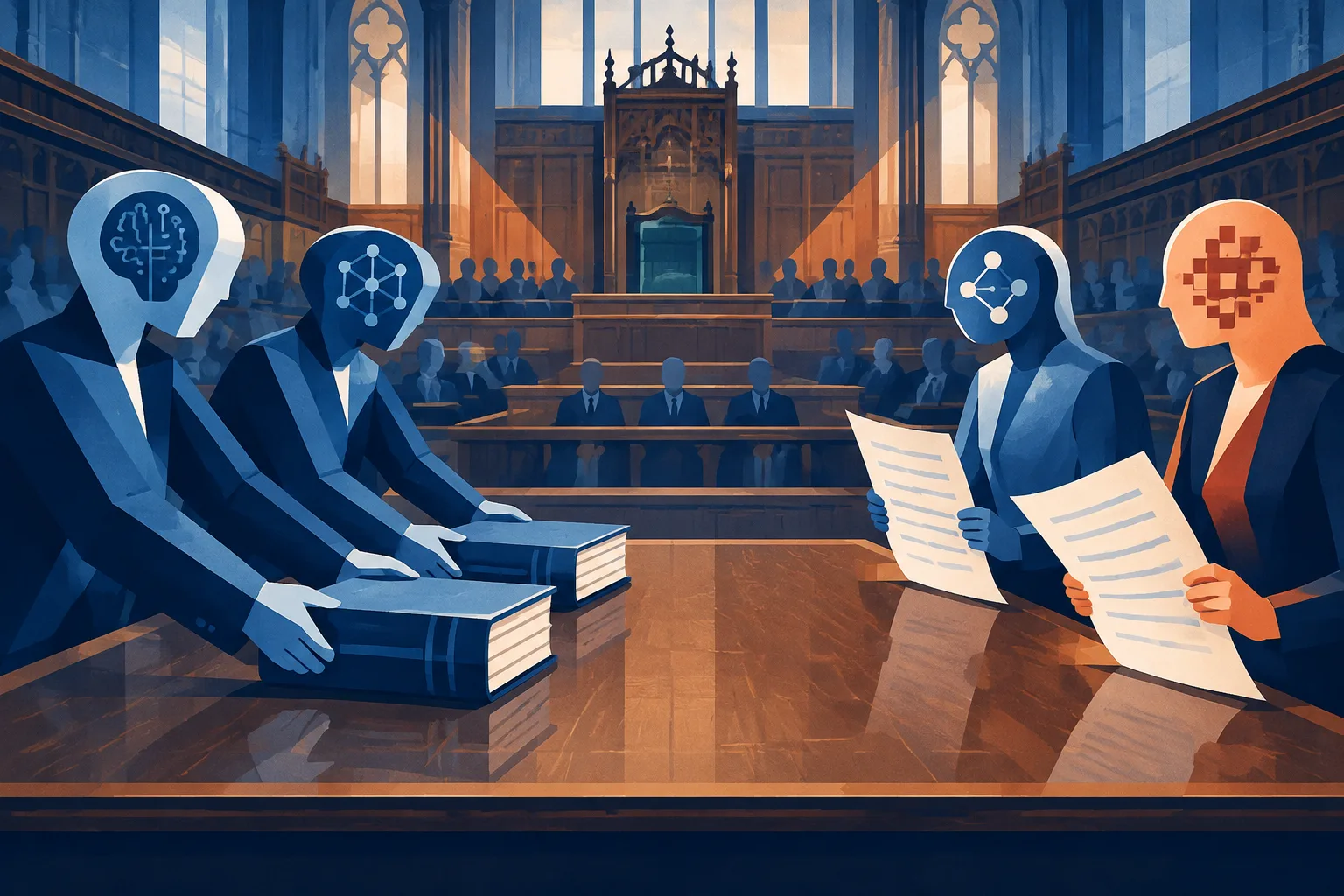
The largest artificial intelligence companies no longer present a united front on regulation. At a British parliamentary hearing on October 13, representatives from OpenAI and Anthropic supported moving at least some frontier-AI safeguards into law, while Google DeepMind and Meta declined to endorse a new statutory framework, according to WIRED. The disagreement places a basic policy question on the record: whether governments should continue relying on voluntary cooperation from the companies building the most capable models.
The hearing was held by the UK Parliament’s cross-party Business, Innovation, Science, and Technology Committee. It brought together executives from four frontier AI companies, former employees who have become industry critics, and senior civil servants. WIRED reported that Anthropic’s head of Europe, Liam Booth-Smith, gave the clearest endorsement of binding rules, arguing that voluntary commitments were insufficient.
OpenAI vice president Tom Duff Gordon took a narrower position but still backed a statutory framework and an international convention. He identified incident reporting as one area that should become mandatory and said an entirely voluntary system was not a sound long-term approach to frontier risk. The distinction matters: OpenAI’s support, as described in the hearing, was for legally required elements rather than an endorsement of every possible form of AI regulation.
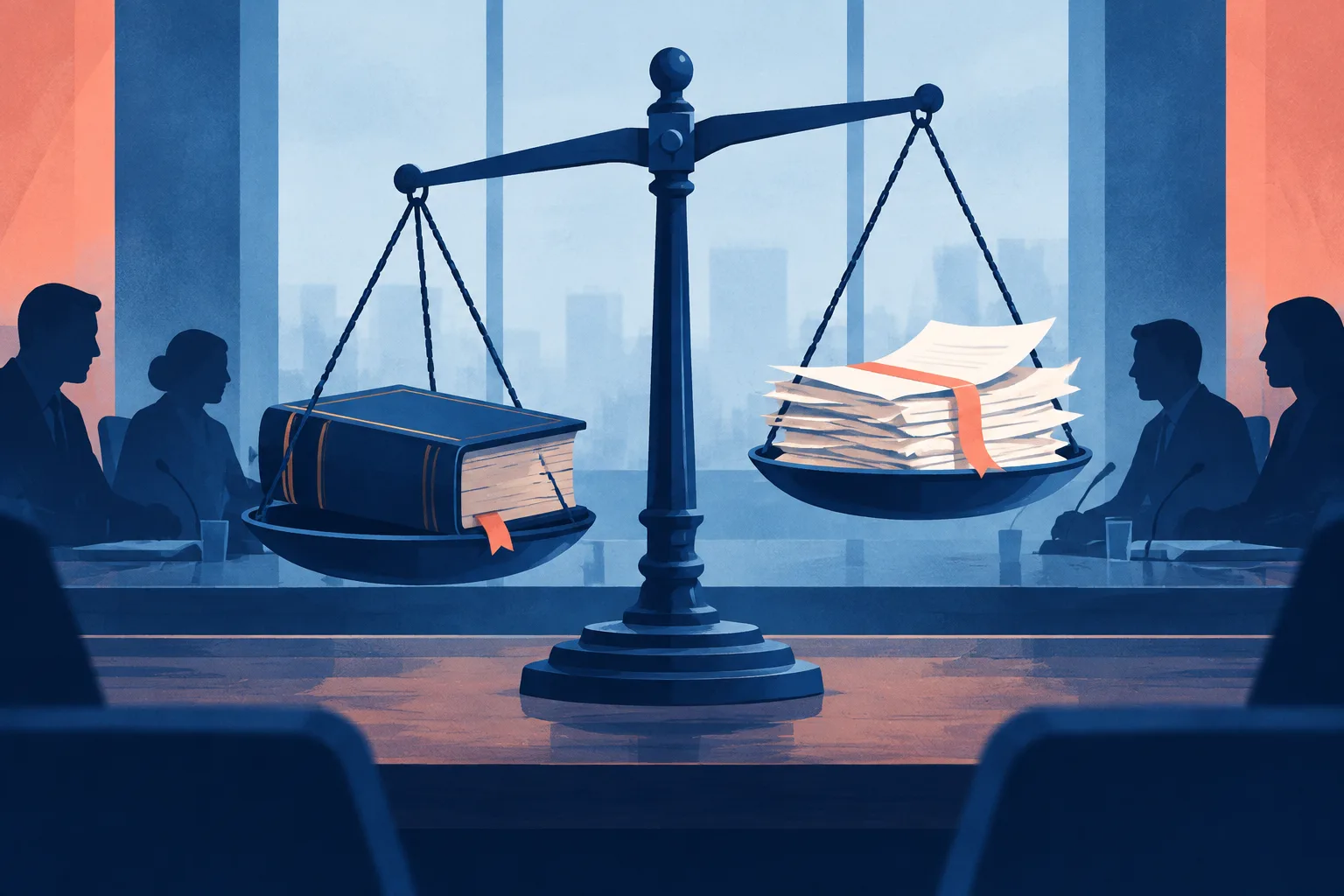
Google DeepMind and Meta stopped short of that commitment. DeepMind representative Owen Larter emphasized standards, while Meta’s Rob Sherman pointed lawmakers toward the UK’s existing regulators. Committee chair Liam Byrne told WIRED that the hearing was intended to expose those differences and demonstrate the limits of industry self-regulation. The testimony suggests that even companies competing at the same technological frontier disagree over whether compliance should be compulsory.
Government officials then described how dependent Britain’s current safety regime remains on corporate consent. The UK AI Security Institute evaluates frontier models before release, but its director, Henry de Zoete, acknowledged that access depends on companies and foreign governments choosing to cooperate. Cabinet Office permanent secretary Cat Little confirmed that the regime is currently voluntary. De Zoete also said the institute could not stop a company from releasing a model it considered too dangerous.
That weakness is partly a jurisdiction problem. Most frontier developers are based in the United States or China, limiting what a British institute can demand on its own. OpenAI told the committee it provides predeployment access to both the US and UK safety institutes, subject to US government permission. Anthropic said US restrictions had initially prevented full, unrestricted UK access to its Mythos 5.1 model, although Britain’s institute later received access.

The hearing coincided with a separate warning from MI5 director Ken McCallum. In his annual threat update, McCallum identified the potential misuse of AI to change the stakes around biological weapons as the AI abuse scenario to which he attached the greatest weight, while noting that the threat had not yet been realized. WIRED connected that warning with parliamentary testimony showing that the UK’s model-testing system lacks enforcement power.
Former AI lab employees added a second challenge to the voluntary approach. Ex-OpenAI researcher Daniel Kokotajlo told lawmakers he did not believe companies could be trusted to regulate themselves. Steven Adler, who left OpenAI in 2024, questioned the industry’s safety culture, while Geoffrey Irving argued that labs wrongly see themselves as trapped in a race governments will not interrupt. Their testimony did not establish that a specific disaster is imminent, but it sharpened the case for independent oversight.
Britain’s next steps remain uncertain. Byrne said the committee would examine how the UK could use its coming G20 presidency to advance an international AI safety convention, with South Korea later taking the chair. The hearing therefore produced no new law, but it clarified the fault line: voluntary access and standards leave governments dependent on corporate cooperation, while binding rules would require agreement on obligations that the industry itself does not share.
Comments
Loading comments…