
OpenAI will begin adding an invisible watermark to text produced by ChatGPT and Codex for eligible users in the European Union, TechCrunch reported on October 5. The company says the rollout will occur over the coming weeks across all plans as it works to comply with transparency requirements under the EU AI Act.
The watermark is not a visible label or symbol. OpenAI’s system, called textGrain, subtly shapes the model’s word choices so that generated passages contain a statistical pattern that a detector can identify. Because the pattern is embedded in the wording, it can remain with a passage when the text is copied and pasted.
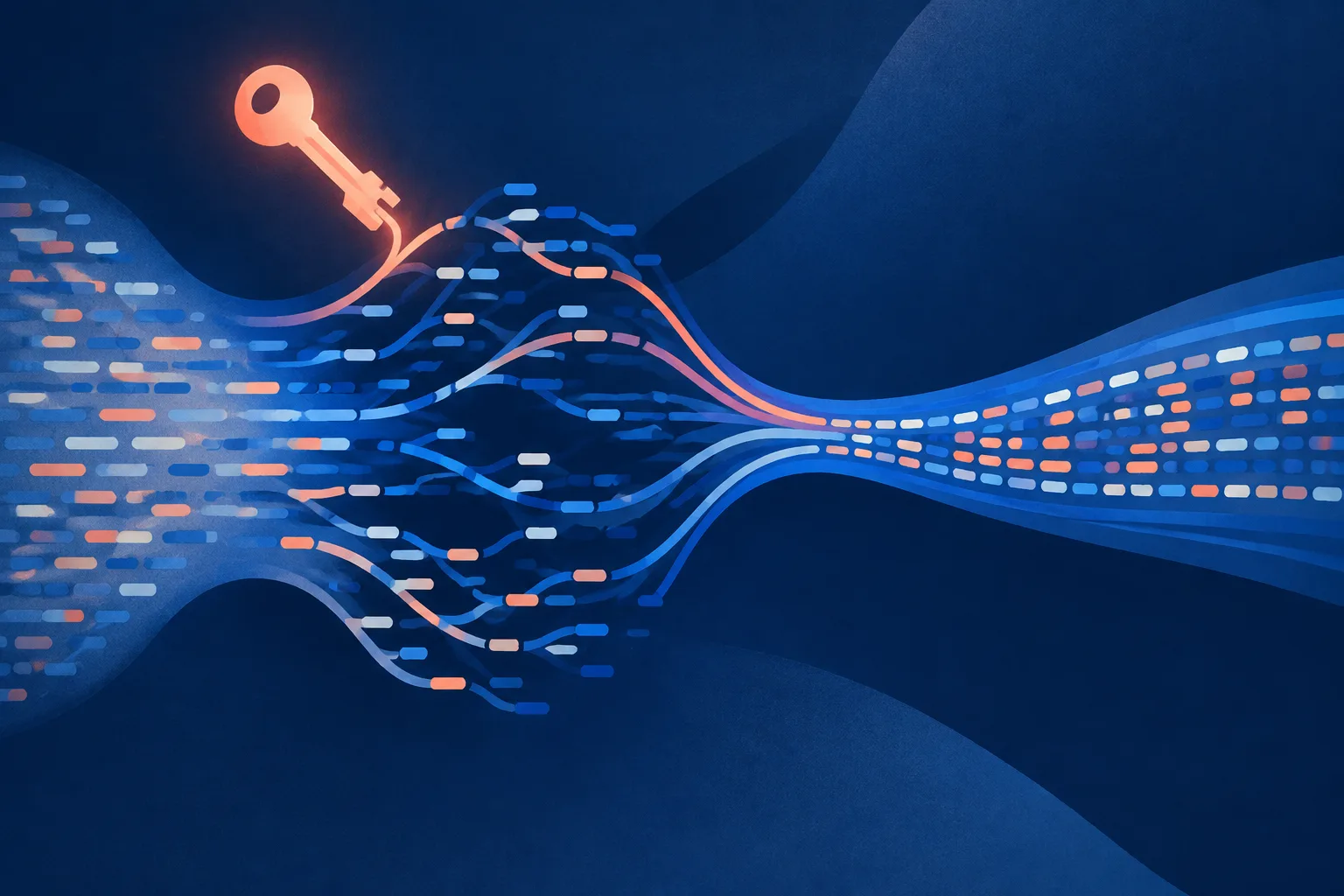
OpenAI says the mark does not identify the user and that enabling it caused no meaningful change in model performance during its testing. Developers using the OpenAI API can enable watermarking for selected models worldwide starting now, according to TechCrunch, but the option is off by default. OpenAI is not making it a global default at launch.
The company published a technical report on textGrain with researchers from the University of Pennsylvania and Yale. TechCrunch described the method as using a secret key to influence the selection of successive words. Accumulated across a passage, those small choices create a pattern that can be checked using the text and the key.
Detection is not durable under every kind of editing. In one OpenAI test cited by TechCrunch, replacing 10 percent of a passage’s words with synonyms reduced detection from about 92 percent to 66 percent. OpenAI also said short passages, mathematical answers, and translated text are more difficult to identify reliably.
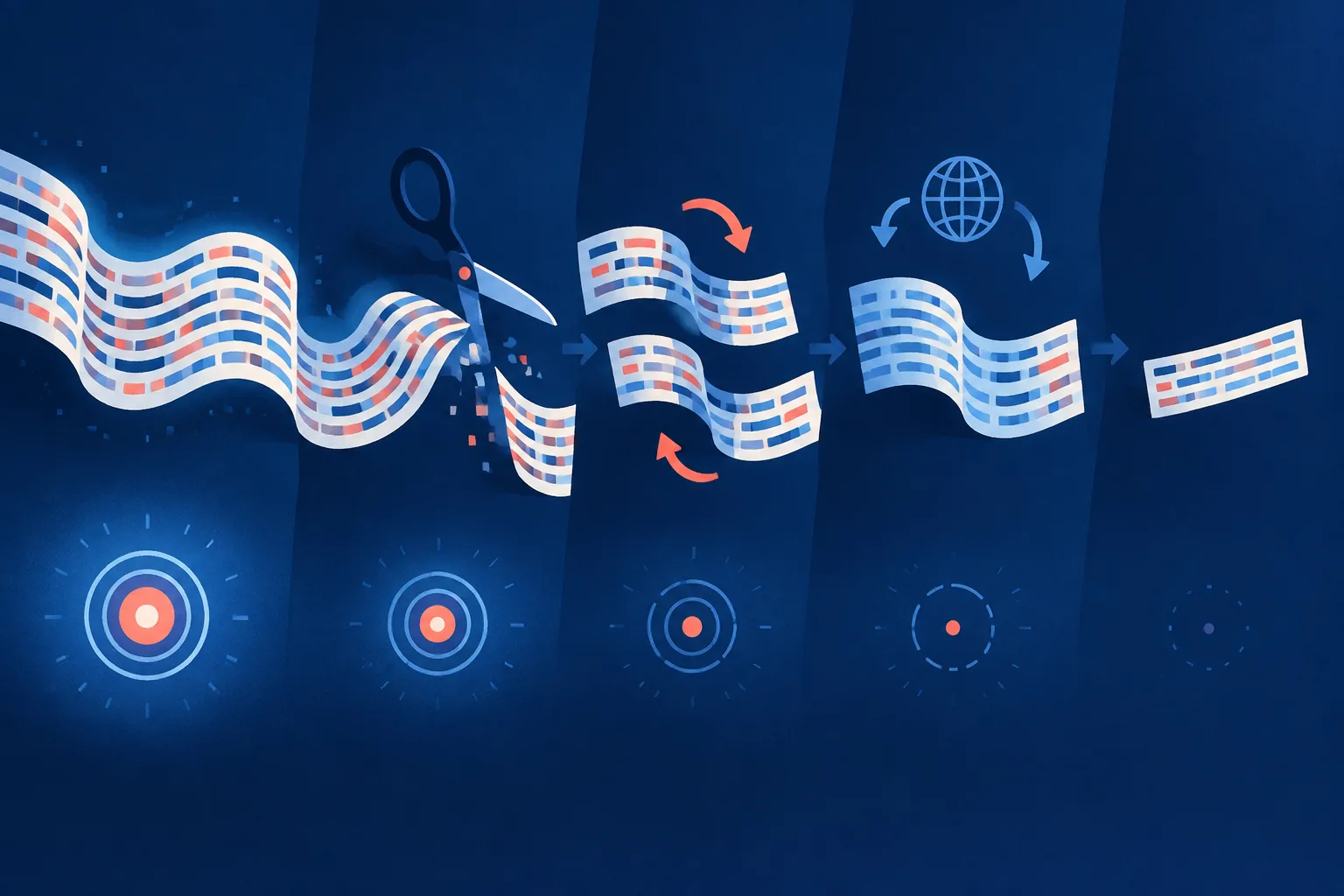
Those limitations are why the company plans to give its detector initially only to approved researchers and expert organizations. OpenAI cautioned that the absence of its watermark does not establish that a human wrote the text: a passage could be too short, heavily edited, translated, or generated by another company’s model.
A positive detection also has limits. OpenAI said a watermark may indicate that one of its systems generated or processed part of a passage, but it cannot reveal how much human judgment, editing, or creativity contributed to the final version. The tool is therefore a provenance signal rather than a complete account of authorship.
TechCrunch noted that Anthropic announced worldwide watermarking for Claude-generated text two months earlier, while OpenAI had previously developed a text watermark but held back from releasing it. Anthropic, Google, Meta, Microsoft, and OpenAI are among the companies that committed to the European Union’s code of practice for transparency around AI-generated content.
Comments
Loading comments…