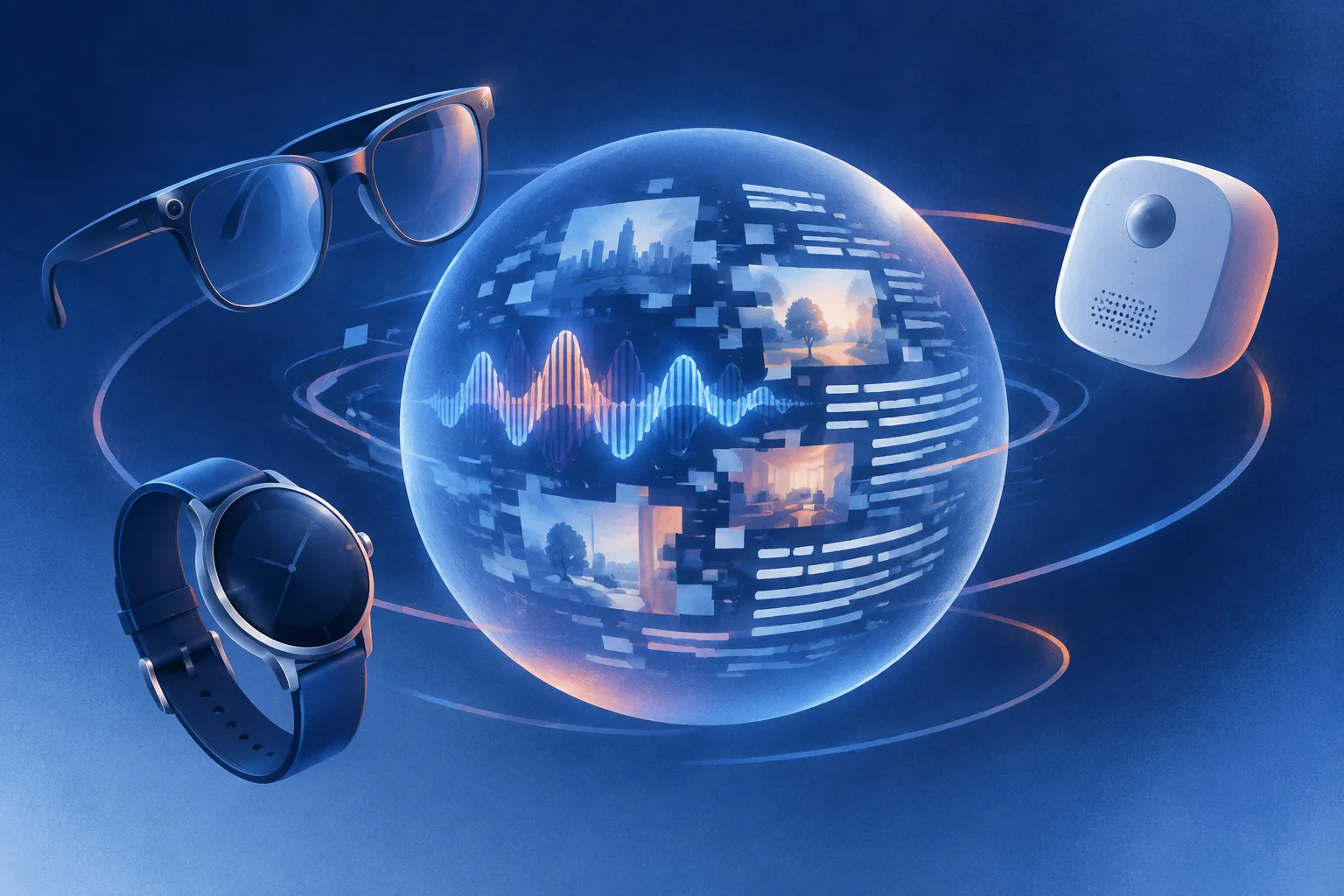
A new generation of AI hardware is challenging the familiar idea that a camera or microphone is either recording or it is not. In a column for The Verge, Victoria Song argues that devices capable of continuously processing their surroundings can preserve meaning without keeping the original audio or video. That distinction may satisfy a technical definition of recording, but it leaves unresolved what bystanders should expect when a gadget can still describe, transcribe, or summarize them.
The immediate example is a smart-home camera Apple is reportedly developing. Bloomberg’s Mark Gurman has said the device would use visual information to produce text descriptions of activity in a home without saving video footage. The same underlying approach could reportedly appear in future AirPods equipped with cameras. Apple has not commented on those rumored products, so their features and release plans remain uncertain.
Apple’s current Audio Intelligence features on the Apple Watch make the debate more concrete. The Verge highlights Live Rewind, which produces a transcript of the previous 15 seconds, and Siri Recap, which creates high-level summaries of conversations across a user’s day. Apple says the features do not save audio: raw data is processed inside a secure hardware compartment and deleted, while cloud work uses the company’s Private Cloud Compute system.

Deleting the source material does not necessarily erase the privacy question. A transcript or summary can remain reviewable even after the underlying sound disappears. It may capture the substance of a conversation, make that information searchable, or allow it to be shared. Song therefore asks whether preservation of meaning—not only preservation of the original waveform or image—should count when society defines a recording.
Google is considering a similar distinction for future wearables. Sandeep Waraich, the company’s senior director of wearables, told The Verge that smart glasses might analyze a user’s environment without saving footage, treating the camera as an image sensor rather than a conventional recorder. Such a design could reduce the risks created by permanent video files, but people nearby would still be observed and interpreted by software.
The problem becomes harder when devices do not clearly announce what they are doing. Meta’s smart glasses use a pulsing white light while capturing video, but The Verge notes that white is not the color many people associate with recording and that the light can be difficult to notice. Other products may use different signals or none at all. Rings, pendants, glasses, and ordinary accessories can increasingly resemble one another even when their sensing capabilities differ.
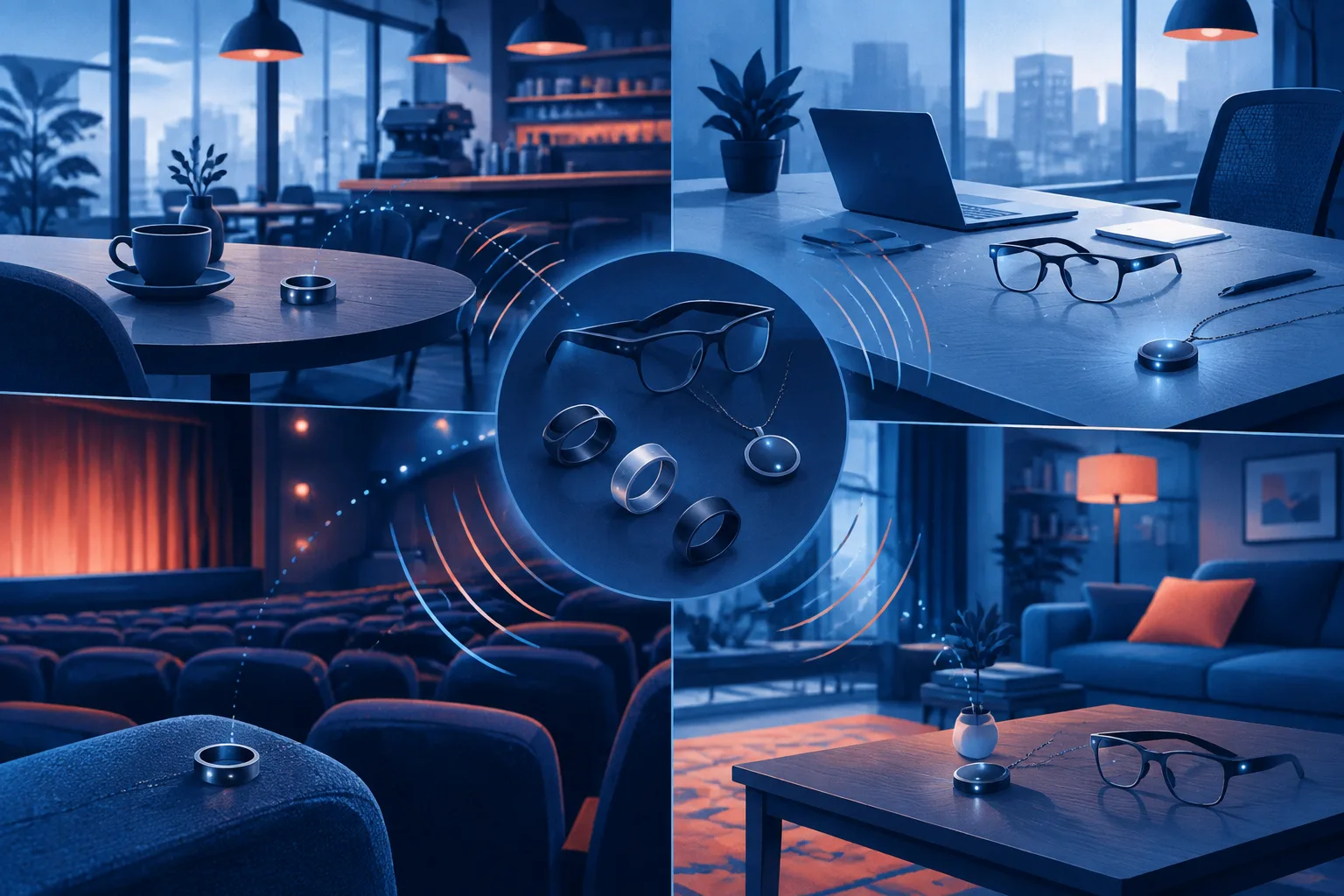
Context also matters. Expectations in a home, office, restaurant, theater, stadium, or restroom are not interchangeable. A device owner may choose how personal data is processed, yet wearable AI inevitably encounters other people who did not select the product or its settings. Those bystanders may have no practical way to know whether a microphone is inactive, temporarily buffering sound, producing a transcript, or generating a lasting summary.
The Verge’s argument is ultimately about memory rather than hardware. To deliver the deeply personalized assistance technology companies promise, an AI system must notice patterns in a user’s day and retain enough information to act on them. Removing raw audio and video can be a meaningful privacy safeguard, but it does not settle who owns the derived information, how long it persists, whether it can be demanded through legal process, or how consent should work for everyone captured along the way.
As AI moves into watches, glasses, headphones, home cameras, televisions, and other everyday objects, a narrow definition of recording may become less useful. The industry can describe sensing, inference, transcription, and storage as separate technical stages. For the public, however, the central question is simpler: did the device remember something about me that can later be used? The answer will shape both product design and the social rules that determine where these gadgets are welcome.
Comments
Loading comments…