
Nikon has disqualified the original first-place winner of its Small World in Motion competition after determining that the entry violated its rules on generative artificial intelligence. The Verge reported on October 9 that the winning video was removed from Nikon’s website and the contest rankings were updated. The decision turns a microscopy award into a concrete test of where image enhancement ends and prohibited AI alteration begins.
The disqualified entry came from Dr. Ning Xu and was presented as showing cilia moving in the airway of a child with primary ciliary dyskinesia, according to The Verge’s account of BBC reporting. Cilia are the tiny hair-like structures described in the report. Nikon began reviewing the video after online observers expressed doubts about its authenticity, placing the entry’s production method under renewed scrutiny.
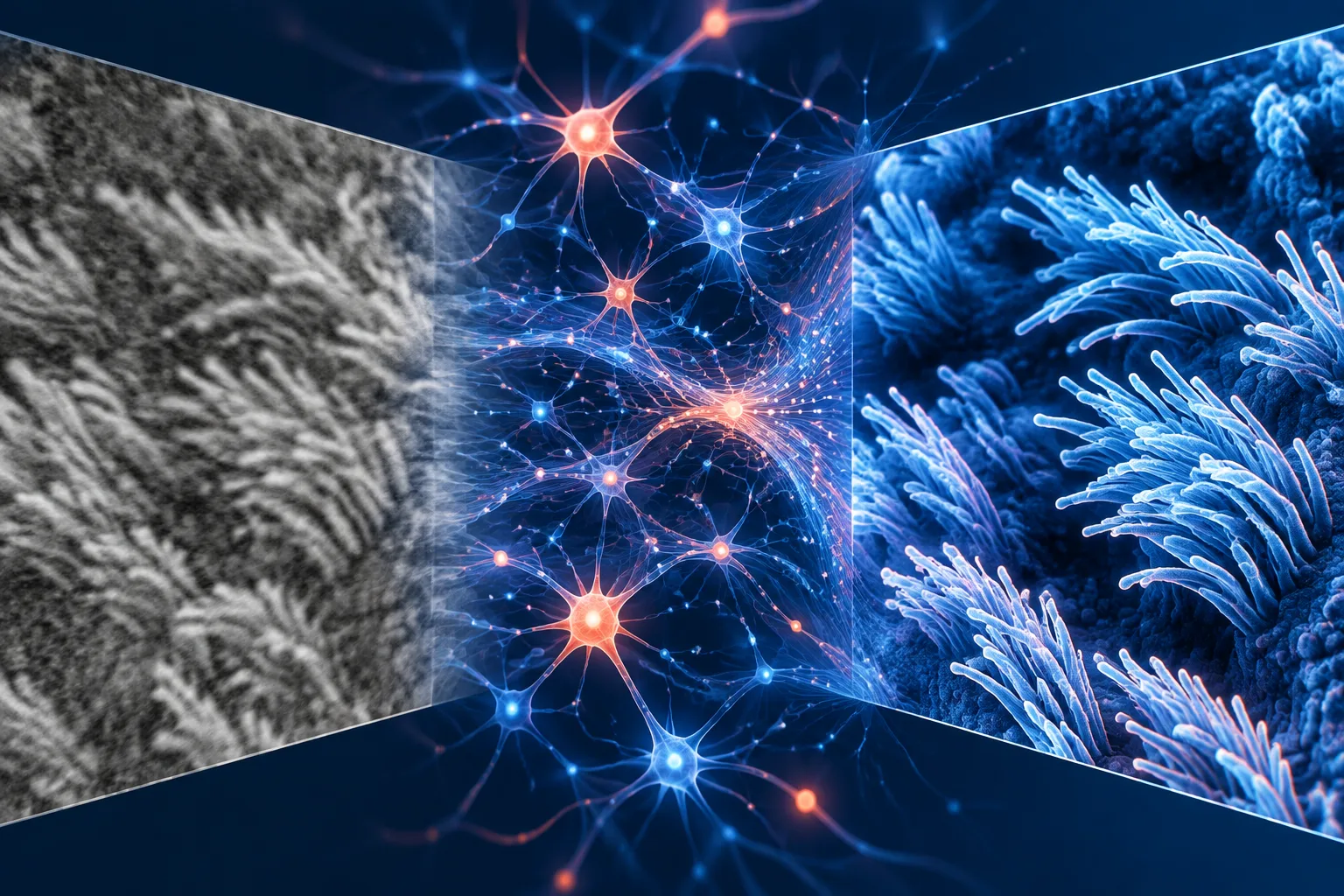
Xu later disclosed the use of an unsupervised neural-network method during post-processing. In a LinkedIn comment quoted by The Verge, he said the technique was used to distinguish and visualize features in reconstructed grayscale images produced through super-resolution optical imaging. Nikon subsequently concluded that the submission did not comply with its competition rules concerning generative AI.
The Verge reported that Xu’s video no longer appears on Nikon’s contest website. An entry by Nguyen Nam Nhat now occupies first place in the updated rankings. Nikon also said it intends to revisit its rules and evaluation procedures for future submissions, indicating that the response will extend beyond the single disqualification.
Nikon carefully limited what its decision was meant to imply. The company said the disqualification should not be read as a judgment about Xu’s professional reputation, scientific work or intent. That distinction matters because the available report establishes a rules violation and an undisclosed processing method, not a broader conclusion about the entrant’s research record or motives.
The incident leaves several technical questions unanswered in The Verge’s report, including how much the neural-network processing changed the visible result and which specific rule language Nikon applied. Those gaps make it difficult to assess the scientific effect of the processing from the article alone. What is clear is that the method was consequential to eligibility once disclosed.
For future competitions, Nikon’s promised review may need to make disclosure and permitted processing boundaries easier to interpret. That is an inference from the company’s stated plan rather than a rule Nikon has already announced. As AI-assisted enhancement becomes more accessible, judges will increasingly need to separate acceptable reconstruction, presentation and noise reduction from transformations that conflict with a contest’s evidentiary expectations.
The new first-place ranking resolves the immediate award outcome, but the larger standards question remains open. Nikon has said it will revisit its procedures, yet The Verge’s report does not specify when revised rules will appear or what techniques they will allow. Until then, the episode demonstrates that AI use in scientific imagery can affect not only how an image is perceived, but whether it qualifies for recognition at all.
Comments
Loading comments…